
U.S. Supply Chains Reach a Turning Point: China No Longer the Dominant Supplier

U.S. Supply Chains Reach a Turning Point: China No Longer the Dominant Supplier
By
David Goldfarb
Last updated:
December 9, 2025
First Published:
April 25, 2026

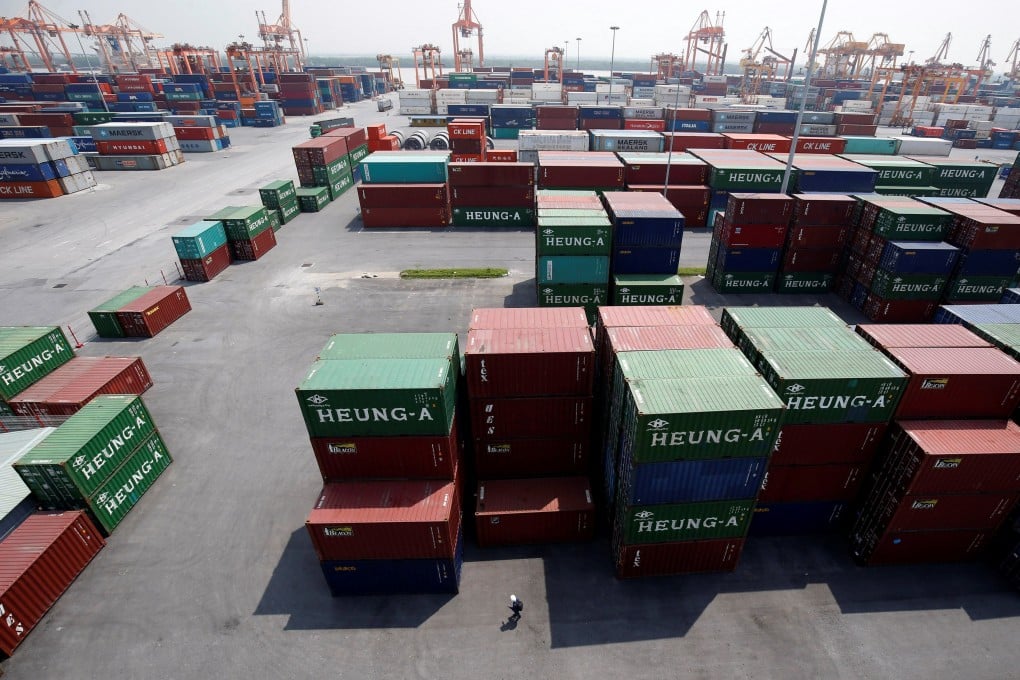
Photo: South China Morning Post
Supply-Chain Overhaul: From China-Centric to Globally Diversified
In a dramatic shift over the last ten years, the share of U.S. imports sourced from China, Hong Kong and Korea has slumped from about 90% to nearly 50%. This transformation reflects a sweeping reconfiguration of global supply chains — one long in motion, but sharply accelerated by trade tensions and tariff policies.
Analysts say the exodus of midsize suppliers from northern Asia’s manufacturing hubs has spurred a migration toward South and Southeast Asia. Countries such as Vietnam, Indonesia, India, Thailand, and Malaysia are now home to a growing number of firms that once relied on Chinese factories. This shift has helped reshape trade flows, with a balanced split between northern and southern Asia–Pacific supplier footprints.
Surge in South Asia–Pacific Trade Flows
Recent data shows China’s exports to Southeast Asia and South Asia rising sharply even as its shipments to the U.S. decline. In 2025, trade routed through Indonesia jumped roughly 29%, Vietnam climbed 23%, India grew nearly 19%, and Thailand rose about 4%. Meanwhile, U.S. imports from Vietnam surged more than 20%, Thailand by around 9%, and Indonesia by roughly 5%. The trend signals that many companies are re-routing procurement and manufacturing from China to countries with lower costs and expanding manufacturing ecosystems.
This ripple effect is reshaping global commerce — and challenges the long-standing dominance of China in global supply chains.
Tariffs and Cash Crunch Spell Trouble for U.S. Importers
While the long-term shift has reshaped supplier geography, many U.S. importers are feeling the financial pinch right now. As inventories frontloaded earlier in 2025 run down and tariffs take hold, companies face a cash crunch impacting balance sheets across a variety of sectors.
Many businesses, especially in low-margin industries like retail apparel and generic pharmaceuticals, lack leverage when negotiating with suppliers and are now scrambling to preserve cash flow. As a result, firms are turning to trade-finance solutions, renegotiating payment terms, and relying more heavily on financing to cover receivables, payables, and existing inventory.
One major bank, financing hundreds of billions in global trade annually, reported a roughly 20% increase in trade-finance demand since the tariff expansion began — a clear sign of rising financial strain among businesses relying on imports.
What This Means for the Future of Global Manufacturing
The evolving landscape suggests that global manufacturing is becoming far more distributed than ever before. Companies are hedging against geopolitical risk, cost pressures, and supply chain disruptions by diversifying sourcing and production across multiple countries.
For South and Southeast Asian economies, this realignment represents a major opportunity to capture manufacturing demand previously concentrated in China. For U.S. firms, it highlights the importance of rethinking supply chain strategy, inventory management, and working capital needs in a more fragmented global trade environment.
In the months ahead, companies that adapt — by securing flexible supply networks or embracing trade-finance strategies — may be better positioned to navigate tariffs, cash flow pressures, and a shifting global production map.
.webp)
Popular articles



Subscribe to unlock premium content
How Finland Uses Ice Swimming Festivals to Boost Winter Tourism and Local Economies

The Boom of Luxury Personal Libraries Renting Rare Books to the Ultra-Wealthy

Why Bhutan’s Hand-Woven Textiles Are Gaining Global Collector Value

How Finland Uses Ice Swimming Festivals to Boost Winter Tourism and Local Economies
The Boom of Luxury Personal Libraries Renting Rare Books to the Ultra-Wealthy
How Finland Uses Ice Swimming Festivals to Boost Winter Tourism and Local Economies


