Victoria’s Secret Hits Four-Year Sales Growth High as Pink Brand Reignites Shopper Interest

Victoria’s Secret Hits Four-Year Sales Growth High as Pink Brand Reignites Shopper Interest
By
Leah Rosenfeld
Last updated:
March 6, 2026
First Published:
March 6, 2026

Victoria’s Secret Surpasses Earnings and Revenue Expectations
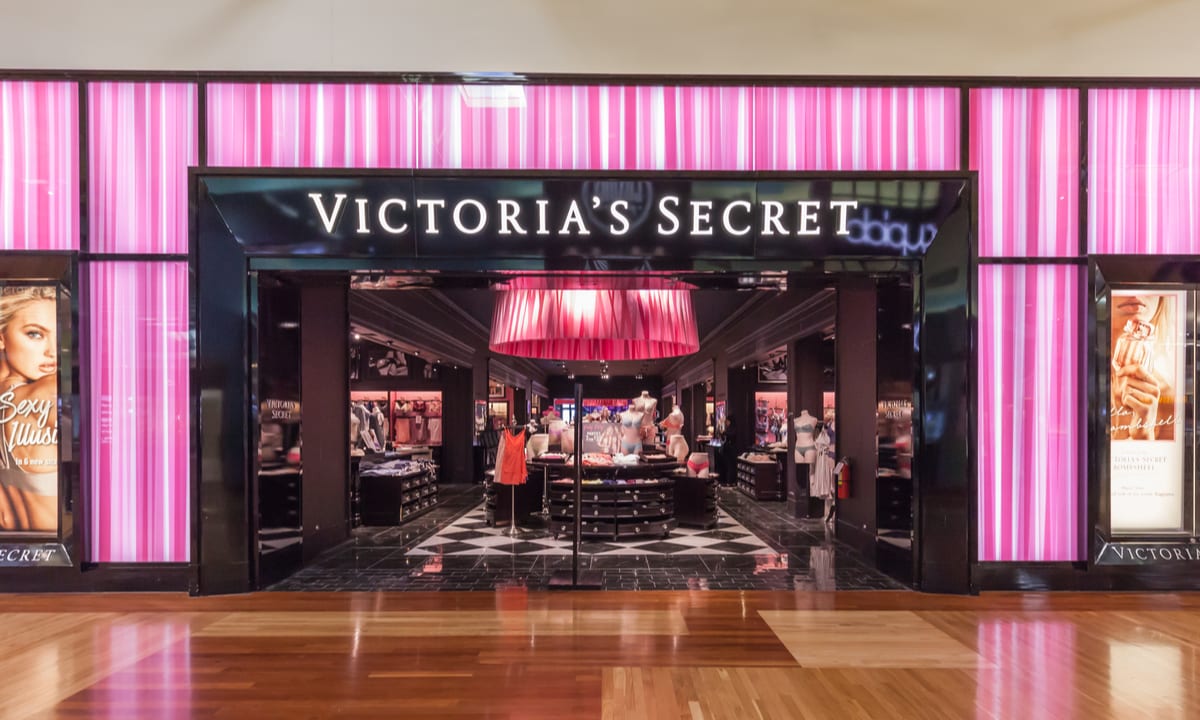
Victoria’s Secret delivered stronger-than-expected results in its fiscal fourth quarter, posting the company’s longest streak of comparable sales growth in four years. The legacy lingerie and apparel brand also offered guidance that exceeded Wall Street forecasts, underscoring CEO Hillary Super’s ongoing turnaround efforts.
For the quarter ending January 31, Victoria’s Secret reported adjusted earnings per share of $2.77, surpassing analyst expectations of $2.52. Revenue rose to $2.27 billion, up 8% from $2.11 billion a year earlier and above the anticipated $2.23 billion.
Looking ahead, the company forecasts first-quarter sales between $1.49 billion and $1.53 billion, ahead of the $1.42 billion estimate, and full-year revenue in the range of $6.85 billion to $6.95 billion, exceeding consensus of $6.8 billion.
“Our customers responded enthusiastically to our product and marketing this quarter,” Super said. “The results reflect the progress we have made on our Path to Potential strategy, building brand heat and strong connections with customers globally.”
Longest Comparable Sales Growth in Four Years
Victoria’s Secret achieved three consecutive quarters of positive comparable sales growth, with comps up 8% in the most recent quarter, well above the 5.6% increase analysts expected. This represents the brand’s longest sustained growth period since at least 2019.
The Pink brand, which targets younger shoppers, has been a key driver of this momentum. Renewed marketing efforts, combined with refreshed product offerings, have re-engaged former customers and attracted new ones.
Since assuming leadership about a year and a half ago, Super has prioritized revitalizing the company’s lingerie, beauty, and bra businesses. Her strategy includes doubling down on the $1 billion beauty segment, reestablishing Pink’s cultural relevance, and reaffirming Victoria’s Secret’s position as a market leader in bras.
Strategic Moves and Acquisitions
Victoria’s Secret has also reshaped its portfolio through acquisitions and digital initiatives. In 2022, the company acquired Adore Me, a digitally native lingerie brand focused on inclusive sizing and diverse product offerings. While the acquisition helped broaden Victoria’s Secret’s reach, it also led to $119.6 million in impairment charges during the most recent quarter.
The company has initiated a strategic review of DailyLook, another brand acquired through the Adore Me deal. Strategic reviews often explore potential sales or restructuring to optimize performance.
These moves reflect a broader strategy to diversify product offerings, cater to evolving consumer preferences, and balance premium, sexy styles with comfort and inclusivity — areas where Victoria’s Secret previously faced challenges.
Stock Market Reaction
Despite the strong earnings and sales guidance, Victoria’s Secret shares dropped more than 10% in midday trading. Analysts suggest that while underlying fundamentals are improving, investors may be weighing ongoing restructuring costs, strategic brand reviews, and one-time charges in their short-term valuation assessments.
Continued Focus on Growth
Super’s strategy appears to be resonating with consumers, as evidenced by increased new customer acquisition and higher average transaction values. With the combination of strong holiday sales, revitalized marketing campaigns, and targeted product launches, Victoria’s Secret is positioning itself for continued growth in 2026.
Executives are also leveraging digital platforms and e-commerce innovations to capture younger demographics while maintaining loyalty among long-time shoppers. This multi-pronged approach aims to sustain momentum in both traditional retail locations and online channels.
Outlook
Victoria’s Secret enters 2026 with renewed confidence, backed by a clear path to growth across its core apparel, beauty, and Pink segments. The company’s turnaround plan, now entering its second year under Super, is focused on delivering sustainable profitability while modernizing the brand and expanding its customer base.
By aligning product innovation, marketing, and strategic acquisitions, Victoria’s Secret appears well-positioned to reclaim its status as a leader in lingerie and lifestyle apparel, even amid a competitive retail landscape.
.webp)
Popular articles



Subscribe to unlock premium content
Driven by Desire in London

Hyper-Niche Gold
The Rise of Private Robotics Tutors for Children

Driven by Desire in London
Hyper-Niche Gold
Driven by Desire in London