U.S. Expands Sanctions on Iran Venezuela Weapons Networks as Pressure Campaign Intensifies

U.S. Expands Sanctions on Iran Venezuela Weapons Networks as Pressure Campaign Intensifies
By
Augusta Parker
Last updated:
December 31, 2025
First Published:
April 25, 2026

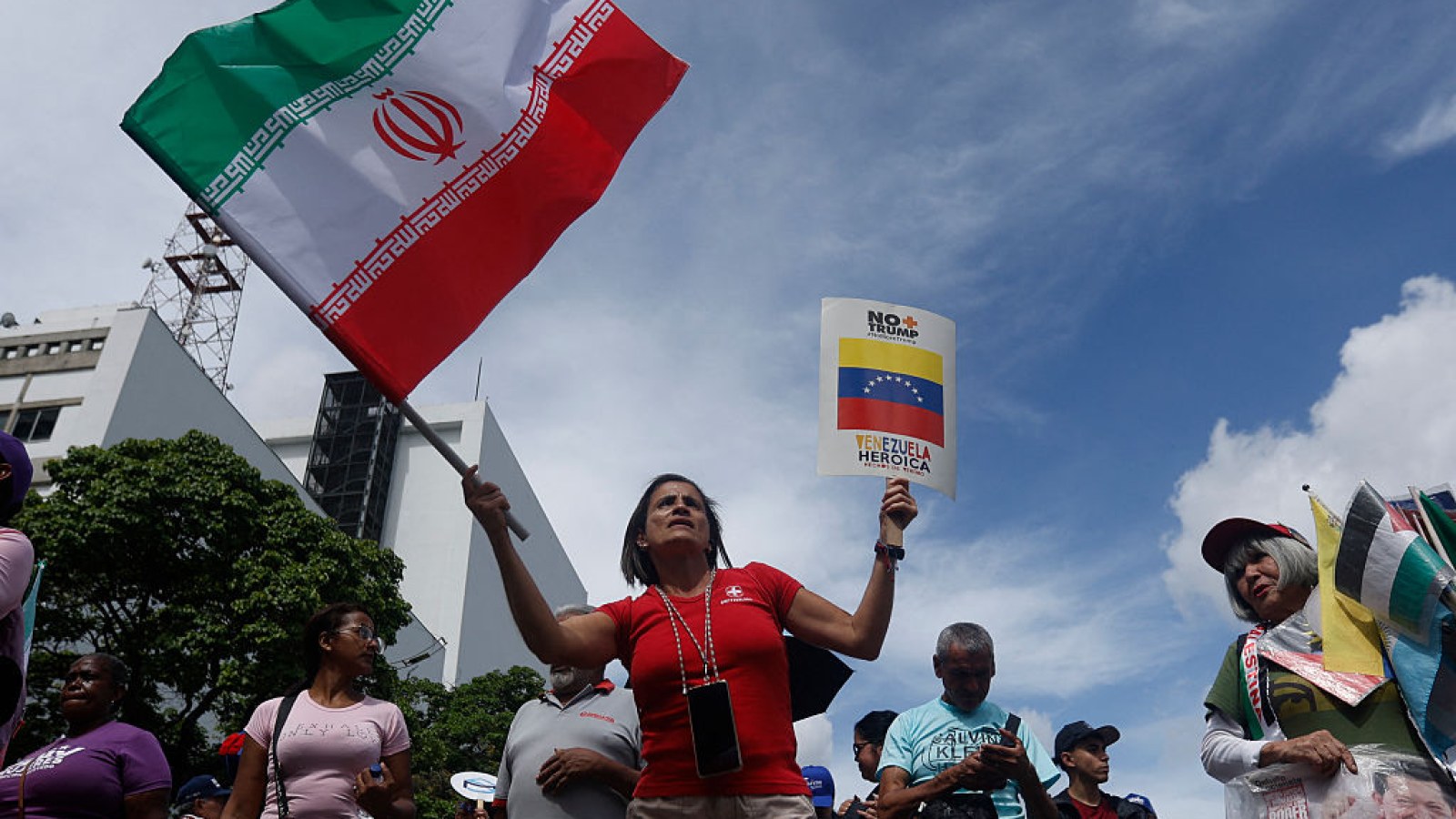
Photo: Latin Times
Overview of the New Sanctions
The United States has announced a new round of sanctions aimed at disrupting alleged weapons trade networks linking Iran and Venezuela. The measures target 10 individuals and entities operating across both countries who U.S. officials say are involved in the transfer of military technology weapons components and related financing. The action underscores Washington’s effort to choke off supply chains that support Iran’s military capabilities and Venezuela’s security apparatus.
According to the U.S. Treasury Department’s Office of Foreign Assets Control the sanctions freeze any U.S.-based assets tied to the designated parties and prohibit American individuals and companies from conducting business with them. Foreign institutions that continue dealings with sanctioned entities also risk secondary sanctions increasing the global reach of the measures.
Focus on Drones and Missile Materials
Among the entities sanctioned is Venezuela’s state-linked aerospace firm Empresa Aeronautica Nacional which U.S. officials allege played a role in facilitating millions of dollars’ worth of Iranian drone transfers to Caracas. Iranian unmanned aerial vehicles have become a growing concern for U.S. and allied security officials given their use in surveillance and combat operations across multiple regions.
The sanctions also name three Iran-based individuals accused of procuring specialized chemicals used in the production of ballistic missiles. U.S. authorities argue that restricting access to these materials is critical to slowing Iran’s ability to rebuild or expand its missile programs after recent military setbacks.
White House Warnings and Military Context
The move comes amid increasingly blunt rhetoric from President Donald Trump who has warned that the United States would respond forcefully if Iran attempts to restore its ballistic missile stockpiles or revive its nuclear weapons ambitions. Earlier this year Iranian military sites and weapons facilities sustained damage during strikes carried out by Israel with U.S. support according to multiple security assessments.
Ahead of a recent meeting with Israeli Prime Minister Benjamin Netanyahu Trump reiterated that Washington would back Israeli military action should Iran move toward rearmament. Iranian President Masoud Pezeshkian responded publicly stating that any attack on Iran would provoke a severe and regrettable response signaling heightened regional tensions.
Broader Pressure on Venezuela
The sanctions also align with a broader U.S. campaign against Venezuela’s government. In recent months Washington has increased maritime interdictions ordered blockades on sanctioned oil tankers and escalated enforcement against alleged narcotics trafficking routes linked to the country.
Earlier this month U.S. authorities seized an oil tanker off Venezuela’s coast that had long been under sanctions and was allegedly transporting crude connected to both Iranian and Venezuelan networks. President Trump has also confirmed a U.S. strike on what was described as a drug-loading facility inside Venezuela adding to diplomatic and economic pressure on Caracas.
Part of a Longer Sanctions Strategy
Tuesday’s designations build on similar actions taken in October and November targeting Iranian weapons procurement networks and their overseas partners. Treasury officials emphasized that the objective is to cut off access to the U.S. financial system and disrupt the logistical and financial channels that sustain Iran’s military industrial complex.
Senior Treasury leadership stated that the United States will continue using sanctions enforcement seizures and international coordination to deter the proliferation of weapons that threaten U.S. interests and regional stability particularly in the Western Hemisphere.
Why It Matters
Analysts note that the Iran Venezuela connection reflects a deeper alignment among sanctioned states seeking to bypass Western restrictions through barter trade covert logistics and alternative financial systems. By expanding sanctions Washington is signaling that cooperation between these governments carries rising economic and political costs.
For global markets and geopolitical observers the developments highlight the growing intersection between sanctions policy security concerns and trade enforcement as the U.S. intensifies efforts to contain adversarial alliances and limit the spread of advanced weapons technologies.
.webp)
Popular articles



Subscribe to unlock premium content
Step Into the Future of Art

London’s Gourmet Playgrounds

The New Frontier of Children’s Entertainment

Step Into the Future of Art
London’s Gourmet Playgrounds
Step Into the Future of Art