
U.S.–Indonesia Trade Pact Faces Breakdown as Tensions Rise Over Key Commitments

U.S.–Indonesia Trade Pact Faces Breakdown as Tensions Rise Over Key Commitments
By
David Goldfarb
Last updated:
December 10, 2025
First Published:
April 25, 2026

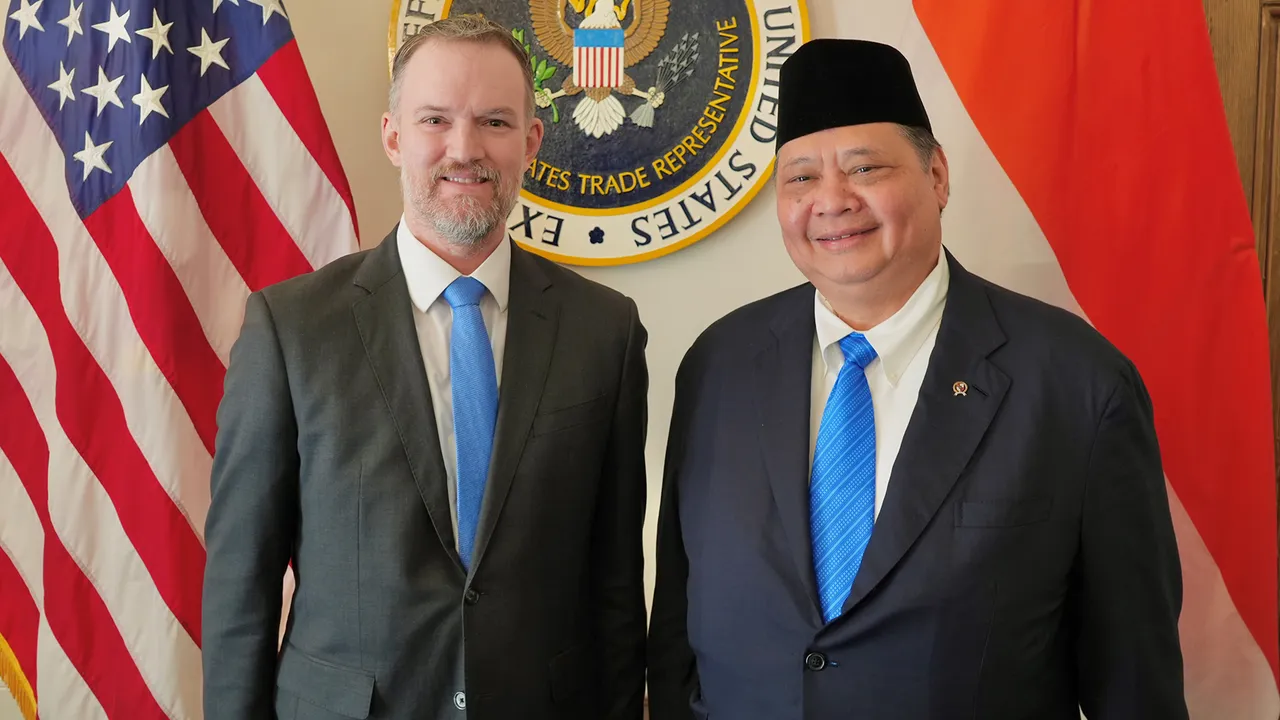
Photo: Feedstuffs
Concerns are mounting in Washington that its recently announced trade agreement with Indonesia is on the verge of collapsing. According to reporting from The Financial Times, senior U.S. officials believe Jakarta is attempting to walk back several core commitments that formed the backbone of the deal. Individuals with direct knowledge of the discussions stated that U.S. Trade Representative Jamieson Greer views Indonesia’s latest position as a reversal on obligations it had previously confirmed.
The reported shift centers on Indonesia’s reluctance to accept binding provisions within the agreement, particularly those related to reducing non-tariff barriers, ensuring fair market access for U.S. industrial and agricultural exports and establishing clearer rules governing digital trade. Sources indicated that Indonesian negotiators have communicated discomfort with certain enforceable terms and are pushing for these commitments to be reframed as nonbinding. Washington, however, interprets this as backsliding that undermines the integrity of the pact.
An Indonesian official told Reuters that tariff negotiations remain ongoing and that no specific conflicts have formally surfaced. Still, the U.S. side sees a growing divergence between agreed commitments and Jakarta’s latest positions. The situation has raised the possibility that Indonesia could lose the benefits of the deal altogether if the two countries cannot realign their expectations.
The trade agreement, announced by former U.S. President Donald Trump in mid-July, initially lowered a previously threatened reciprocal tariff rate on Indonesian goods from 32 percent to 19 percent. In exchange, Indonesia had pledged to purchase 15 billion dollars in U.S. energy products, 4.5 billion dollars in American agricultural goods and fifty Boeing aircraft. The administration further declared that U.S. exports to Indonesia would be fully exempt from tariff and non-tariff barriers, marking a significant market-access win for American firms.
However, the latest developments mirror earlier moments of tension in the negotiation process. In November, Indonesia rejected a clause included in several U.S. trade agreements with Southeast Asian nations, commonly referred to as a “poison pill.” This provision allows the United States to revoke a trade deal if a partner country signs agreements with competitors that Washington believes could undermine U.S. strategic interests. Unlike Malaysia and others that accepted the clause, Jakarta pushed back strongly.
The friction is not isolated to Indonesia. Trump-era trade arrangements across Asia have frequently encountered resistance once negotiations progressed into implementation stages. South Korea, for example, countered an early claim that it would make a 350 billion dollar investment in the United States. After extended discussions, Seoul instead agreed to invest 200 billion in cash over a decade and contribute to a 150 billion dollar investment vehicle targeting the shipbuilding sector. Similarly, Japan disputed initial terms that suggested it would invest 550 billion dollars in the U.S. with Washington taking 90 percent of profits. Tokyo later clarified that profit distribution would depend on the proportional contributions of each side.
A source familiar with the current dispute between Washington and Jakarta emphasized that Indonesia’s request to convert previously binding terms into nonbinding guidelines is “extremely problematic” and has been poorly received by U.S. officials. The individual warned that this stance jeopardizes the entire agreement and could result in Indonesia forfeiting the concessions secured earlier this year.
The USTR and Indonesia’s Ministry of Trade have not issued official statements addressing the latest concerns, leaving uncertainty over whether negotiations will stabilize or further unravel. As both nations weigh their next steps, the future of a high-profile economic partnership hangs in the balance.
.webp)
Popular articles



Subscribe to unlock premium content
How Finland Uses Ice Swimming Festivals to Boost Winter Tourism and Local Economies

The Boom of Luxury Personal Libraries Renting Rare Books to the Ultra-Wealthy

Why Bhutan’s Hand-Woven Textiles Are Gaining Global Collector Value

How Finland Uses Ice Swimming Festivals to Boost Winter Tourism and Local Economies
The Boom of Luxury Personal Libraries Renting Rare Books to the Ultra-Wealthy
How Finland Uses Ice Swimming Festivals to Boost Winter Tourism and Local Economies


