Trump Ties Venezuela Oil Revenue to Mandatory U.S. Purchases

Trump Ties Venezuela Oil Revenue to Mandatory U.S. Purchases
By
Rachel Steinberg
Last updated:
January 8, 2026
First Published:
April 25, 2026

Getty Images
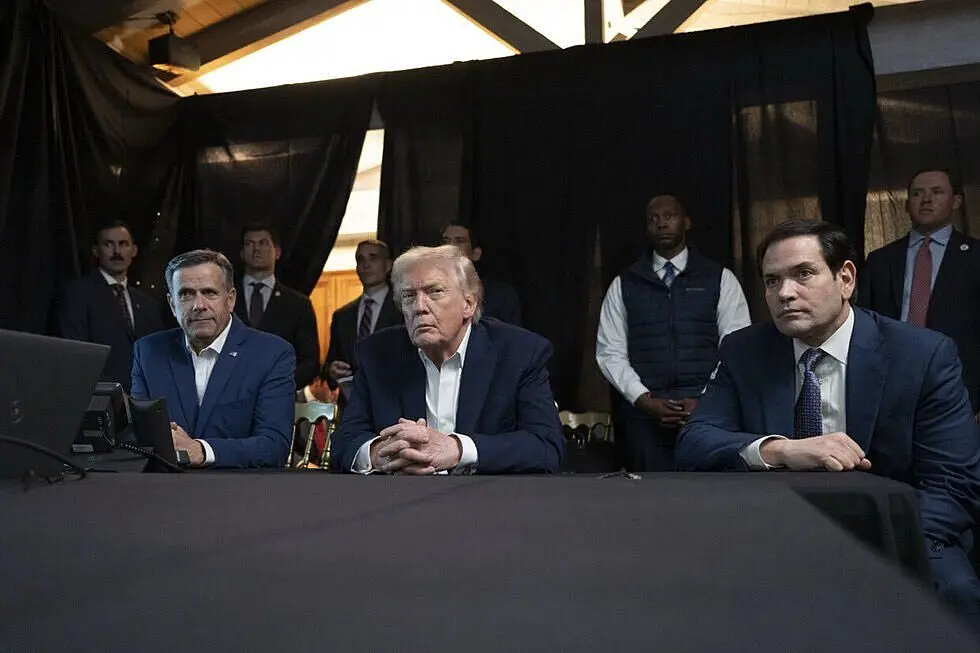
President Donald Trump said Venezuela will be required to spend the proceeds from its oil sales exclusively on American-made goods, framing the move as both an economic opportunity for U.S. industries and a tool of leverage over Caracas.
In a statement posted Wednesday on Truth Social, Trump said revenue generated from Venezuela’s oil exports under a newly announced arrangement would be used only to purchase products manufactured in the United States. The plan directly links energy access to trade flows, positioning U.S. exporters as the sole beneficiaries of Venezuela’s oil income.
Oil-for-goods framework takes shape
According to the president, the purchases would span several critical sectors, including agricultural products, pharmaceuticals, medical equipment, and machinery needed to repair and modernize Venezuela’s electricity grid and energy infrastructure.
The announcement follows Trump’s remarks a day earlier that Venezuela would transfer between 30 million and 50 million barrels of oil currently under sanctions. The oil would be sold at prevailing market prices, which at recent levels would place the total value of the transaction above $2 billion.
The administration has described the arrangement as a controlled release of Venezuelan crude designed to influence political and economic outcomes while avoiding direct financial transfers to the current government in Caracas.
U.S. control over oil sales and cash flow
Energy Secretary Chris Wright said the United States will oversee the sale of Venezuelan oil on an ongoing basis, starting with existing stored crude and extending indefinitely to future production.
Speaking at an energy conference in Miami, Wright said the U.S. intends to market the oil directly into global markets and retain control over the proceeds as part of a broader strategy to maintain leverage over Venezuela’s leadership and economic system.
Under the plan, funds generated from oil sales would be deposited into U.S.-controlled accounts rather than transferred directly to Venezuelan authorities. Wright emphasized that the structure is designed to prevent misuse of revenue while ensuring that money ultimately flows back to Venezuela in the form of goods and infrastructure investment.
Strategic leverage over sanctions relief
Administration officials have framed the arrangement as a conditional pathway tied to political change in Venezuela. Trump previously stated that the oil transfer would follow the removal of President Nicolás Maduro, signaling that energy access and trade normalization remain contingent on broader political developments.
By requiring Venezuela to recycle oil revenue into U.S. products, the policy effectively converts sanctions relief into a managed trade channel. American farmers, medical suppliers, and industrial manufacturers stand to benefit directly, while Venezuela gains access to essential goods without receiving unrestricted cash.
Implications for trade and energy markets
The proposal represents an unconventional blend of sanctions policy, trade enforcement, and energy diplomacy. If implemented, it would mark one of the most tightly controlled oil-for-goods arrangements in recent history, with the U.S. acting as both broker and gatekeeper.
For global energy markets, the release of up to 50 million barrels of crude could add short-term supply, while for U.S. exporters, the deal could open a captive market worth billions of dollars. For Venezuela, the plan offers limited economic relief, but only within strict boundaries set by Washington.
Whether the framework moves from political declaration to execution will depend on developments inside Venezuela and the administration’s ability to maintain international and domestic support for such a tightly managed trade structure.
.webp)
Popular articles



Subscribe to unlock premium content
The Market for Renting Private Libraries Where Only Rare, Unpublished Manuscripts Exist

Living Underwater in the Heart of the City

Frozen Luxury in Europe

The Market for Renting Private Libraries Where Only Rare, Unpublished Manuscripts Exist
Living Underwater in the Heart of the City
The Market for Renting Private Libraries Where Only Rare, Unpublished Manuscripts Exist