
Trump Floats 200 Percent Tariff on French Wine Amid Macron Rift Over Gaza Peace Board

Trump Floats 200 Percent Tariff on French Wine Amid Macron Rift Over Gaza Peace Board
By
Alina Sinclair
Last updated:
January 20, 2026
First Published:
April 25, 2026

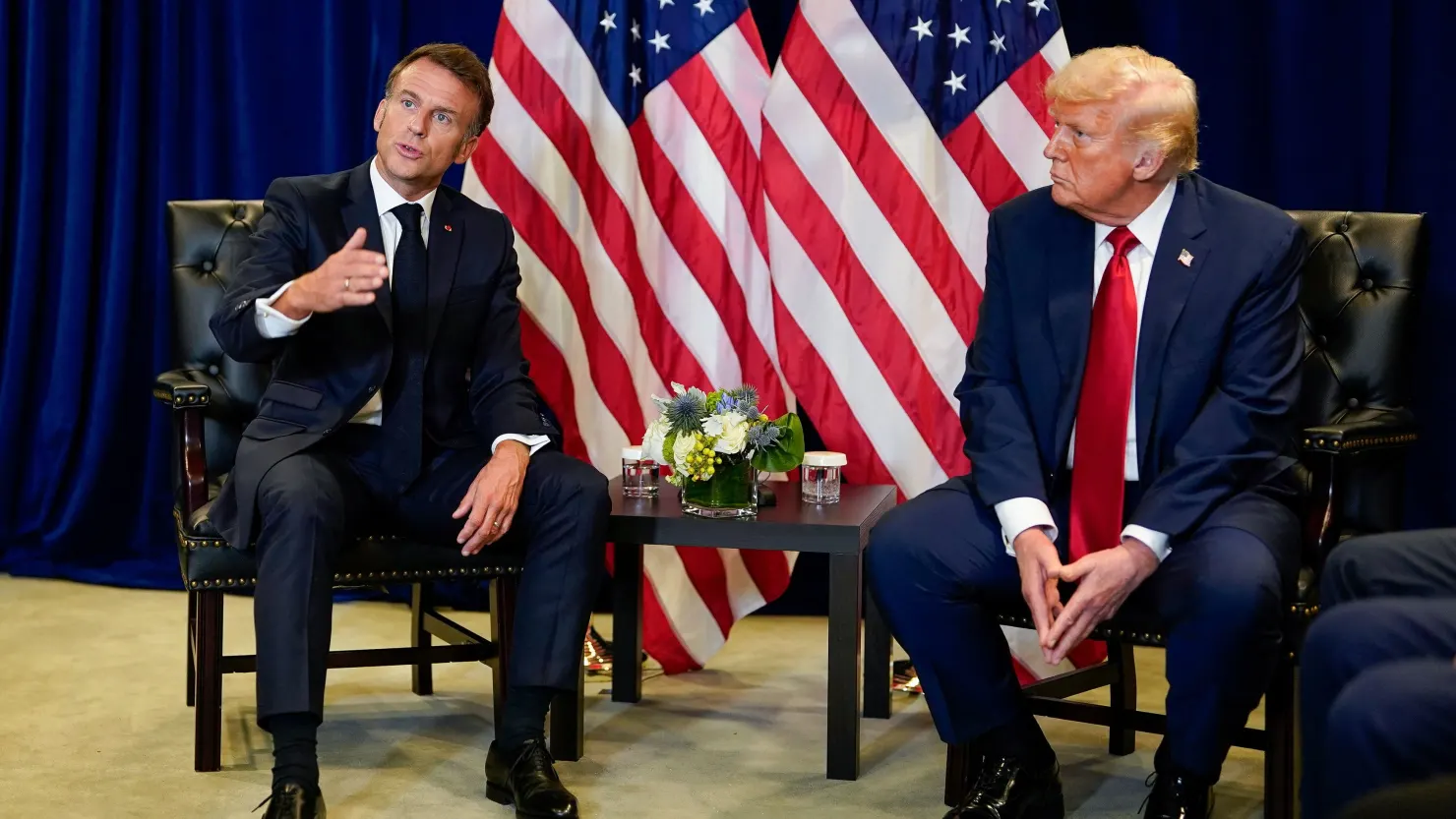
U.S. President Donald Trump has reignited transatlantic tensions by threatening to impose a sweeping 200 percent tariff on French wines and champagne. The warning comes amid reports that French President Emmanuel Macron is expected to decline an invitation to join Trump’s proposed “Board of Peace” focused on overseeing the Gaza ceasefire.
The remarks add to an already volatile mix of trade disputes, diplomatic snubs, and geopolitical ambitions that have unsettled European capitals and global markets alike.
Tariff Threat Targets French Exports
Speaking to reporters in Miami on Tuesday, Trump suggested that France could face punitive trade measures if Macron refuses to participate in the peace initiative.
France exported an estimated €3.5 billion worth of wine and champagne to the United States in recent years, with the U.S. standing as one of its largest non-EU markets. A 200 percent tariff would effectively triple retail prices, severely impacting French producers, U.S. importers, distributors, and restaurants.
Trump dismissed Macron’s influence, saying the French leader’s political future is limited, and implied that economic pressure could change France’s position. He added that Macron would still have the option to join the board, though participation would not be mandatory.
What Is the Board of Peace?
The “Board of Peace” is a newly endorsed international body backed by the United Nations Security Council in November. Its mandate is to oversee and enforce the Israel-Hamas ceasefire, monitor humanitarian access, and provide diplomatic coordination among major global powers.
Invitations have reportedly been extended to several high-profile leaders, including Russian President Vladimir Putin, UK Prime Minister Keir Starmer, and Indian Prime Minister Narendra Modi. Macron’s potential refusal is being interpreted as both a diplomatic rebuff and a challenge to Trump’s leadership on the initiative.
Greenland Returns to the Spotlight
Beyond France, Trump also renewed his controversial push to bring Greenland under U.S. control. He argued that Europe lacks the capacity to defend the Arctic territory and claimed American oversight is essential for global and regional security.
Trump stated that European leaders would offer limited resistance to the idea, reiterating that the U.S. would pursue control “whether they like it or not.” Greenland’s strategic value has grown sharply due to its proximity to Arctic shipping routes, untapped rare earth minerals, and its role in missile defense systems.
Broader Tariff Pressure on Europe
Over the weekend, Trump warned of tariffs of up to 25 percent on goods from eight European countries, including the United Kingdom, until the U.S. secures control over Greenland. Such measures could affect billions of dollars in annual trade, spanning automobiles, machinery, agricultural products, and luxury goods.
While Trump has not explicitly ruled out military options, Secretary of State Marco Rubio stated earlier this month that the president would prefer to acquire Greenland through a financial purchase rather than force.
Europe Weighs Retaliation
European governments are reportedly preparing potential countermeasures, including retaliatory tariffs and broader economic responses targeting U.S. exports. Officials are also discussing coordinated action within the European Union to mitigate risks to key industries and prevent fragmented national responses.
Analysts warn that escalating trade disputes could slow transatlantic commerce, raise consumer prices, and add uncertainty to global supply chains already strained by geopolitical conflict.
What Comes Next
Trump’s latest statements underscore his willingness to use trade policy as a tool of diplomatic leverage. Whether the tariff threats translate into concrete action remains unclear, but the rhetoric alone is already influencing market sentiment and diplomatic calculations.
As tensions rise, investors, exporters, and policymakers will be closely watching how France, the broader EU, and international institutions respond to Washington’s increasingly confrontational stance.
.webp)
Popular articles



Subscribe to unlock premium content
How Finland Uses Ice Swimming Festivals to Boost Winter Tourism and Local Economies

The Boom of Luxury Personal Libraries Renting Rare Books to the Ultra-Wealthy

Why Bhutan’s Hand-Woven Textiles Are Gaining Global Collector Value

How Finland Uses Ice Swimming Festivals to Boost Winter Tourism and Local Economies
The Boom of Luxury Personal Libraries Renting Rare Books to the Ultra-Wealthy
How Finland Uses Ice Swimming Festivals to Boost Winter Tourism and Local Economies


