
Supreme Court Unlikely to Strike Down Trump Tariffs, Treasury Secretary Says

Supreme Court Unlikely to Strike Down Trump Tariffs, Treasury Secretary Says
By
David Goldfarb
Last updated:
January 19, 2026
First Published:
April 25, 2026

Getty Images
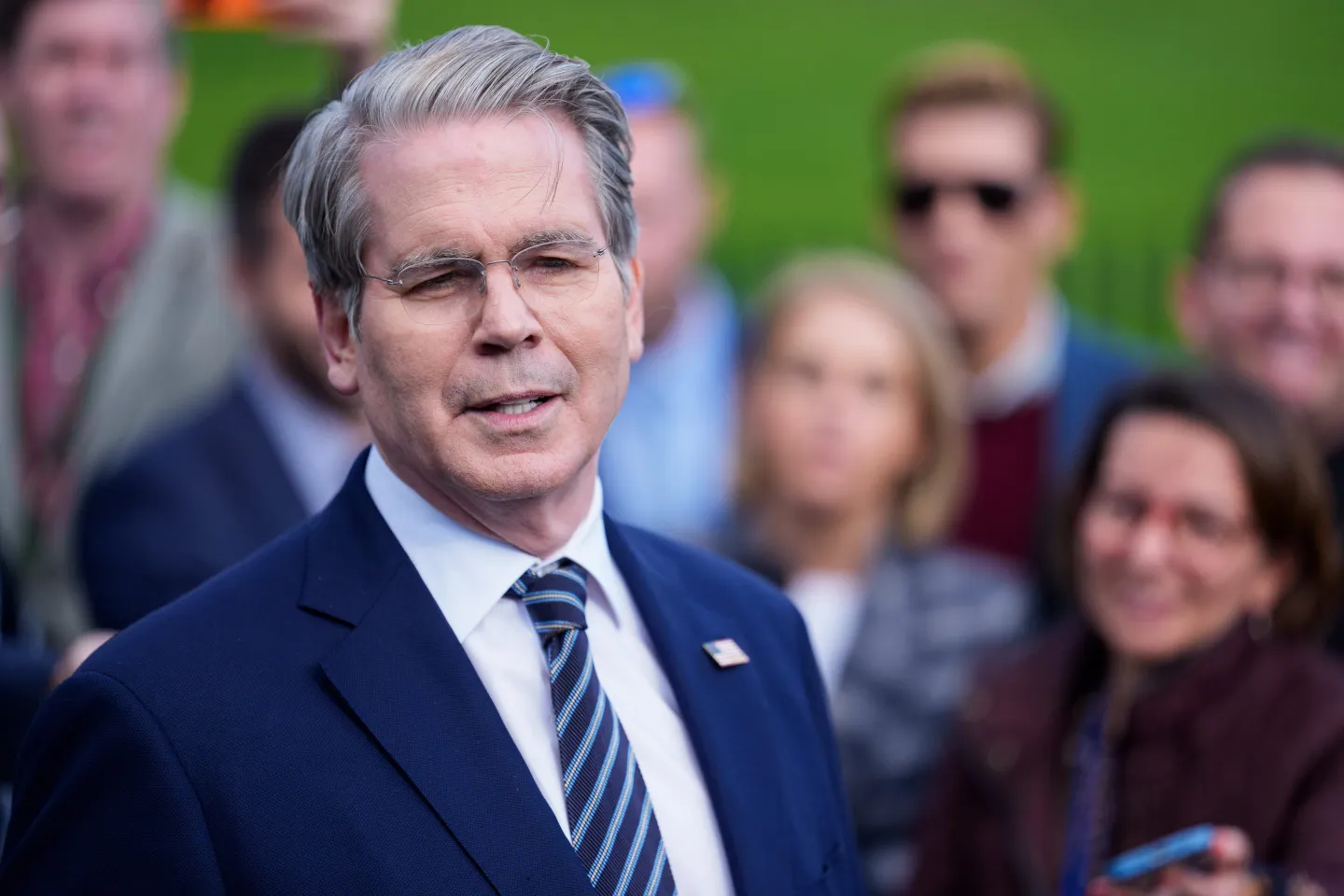
Treasury Secretary Scott Bessent said Sunday that the Supreme Court is unlikely to overturn President Donald Trump’s use of emergency powers to impose sweeping tariffs, calling the policy a central pillar of the administration’s economic strategy as the court prepares to rule as early as this week.
Speaking on NBC’s “Meet the Press,” Bessent argued that the high court historically avoids dismantling major presidential policies, particularly those framed as responses to national emergencies. He suggested that invalidating Trump’s tariff authority could create significant economic and legal disruption.
High-Stakes Supreme Court Review
At the center of the case is Trump’s use of the International Emergency Economic Powers Act, a statute that grants presidents broad authority to regulate commerce in response to what the law defines as an “unusual and extraordinary threat” to the United States.
The Supreme Court is expected to rule on whether Trump exceeded that authority by using the IEEPA to impose tariffs across dozens of countries. While the court has not announced a specific date, legal observers say a decision could arrive before the end of the current term, potentially within days.
Bessent compared the situation to past Supreme Court decisions that upheld major federal policies, including key elements of the Affordable Care Act. He argued that the court is reluctant to intervene in cases where overturning policy could introduce instability into markets and governance.
New Tariffs Tied to Greenland Dispute
Bessent’s comments came one day after Trump announced a new round of tariffs targeting European imports, linking the move to his long-running push for U.S. control of Greenland. In a social media post, Trump said the tariffs would remain in place until a broader agreement is reached regarding Greenland’s future.
Under the plan outlined by the president, tariffs on goods from Denmark, Norway, Sweden, France, Germany, the United Kingdom, the Netherlands, and Finland will begin at 10 percent on February 1. The rate is scheduled to rise to 25 percent by June 1 if no resolution is reached.
Although Trump did not explicitly cite the IEEPA in his announcement, administration officials have indicated the action mirrors earlier tariffs imposed under the same emergency authority.
Administration’s National Security Rationale
The Treasury Department has framed the tariffs as a preemptive national security measure rather than a conventional trade dispute. Bessent described the strategy as using economic leverage to avoid military conflict, particularly in the Arctic region.
The Trump administration argues that Greenland’s strategic location is critical as Russia and China expand their presence in the Arctic, citing increased military activity, shipping routes, and competition over natural resources. Officials say economic pressure is intended to force negotiations while avoiding escalation.
Trump has publicly renewed calls for a U.S. acquisition of Greenland in recent weeks, intensifying diplomatic tensions with Denmark and other European allies. Leaders in Greenland and Denmark have repeatedly rejected any proposal to transfer sovereignty.
European Pushback and Diplomatic Talks
European leaders responded swiftly to the tariff announcement, warning that the move risks damaging transatlantic relations. In a joint statement, leaders from the affected countries said tariff threats undermine cooperation and could trigger a broader trade confrontation.
They reaffirmed support for Denmark and Greenland, emphasizing principles of sovereignty and territorial integrity. The statement also signaled readiness for dialogue but rejected economic coercion as a negotiating tool.
Diplomatic engagement is ongoing. Vice President JD Vance and Secretary of State Marco Rubio met last week with Danish Foreign Minister Lars Lokke Rasmussen and Greenland’s foreign affairs minister, Vivian Motzfeldt, at the White House. Rasmussen later described the talks as candid but constructive.
Following the meeting, both sides agreed to establish a high-level working group to discuss Greenland’s future and regional security concerns.
What Comes Next
The Supreme Court’s ruling will have major implications for presidential authority over trade policy. A decision upholding Trump’s use of the IEEPA would reinforce the executive branch’s ability to deploy tariffs as a geopolitical tool. A ruling against it could significantly narrow emergency economic powers and force Congress to revisit the statute.
For now, the administration remains confident. Bessent said the president is acting within his legal authority and using economic measures to protect long-term U.S. security interests while reshaping global trade dynamics.
.webp)
Popular articles



Subscribe to unlock premium content
How Finland Uses Ice Swimming Festivals to Boost Winter Tourism and Local Economies

The Boom of Luxury Personal Libraries Renting Rare Books to the Ultra-Wealthy

Why Bhutan’s Hand-Woven Textiles Are Gaining Global Collector Value

How Finland Uses Ice Swimming Festivals to Boost Winter Tourism and Local Economies
The Boom of Luxury Personal Libraries Renting Rare Books to the Ultra-Wealthy
How Finland Uses Ice Swimming Festivals to Boost Winter Tourism and Local Economies


