Severe Winter Storms Disrupt Gap’s Holiday Quarter as Hundreds of Stores Temporarily Shut Down

Severe Winter Storms Disrupt Gap’s Holiday Quarter as Hundreds of Stores Temporarily Shut Down
By
Junia Wells
Last updated:
March 6, 2026
First Published:
March 6, 2026

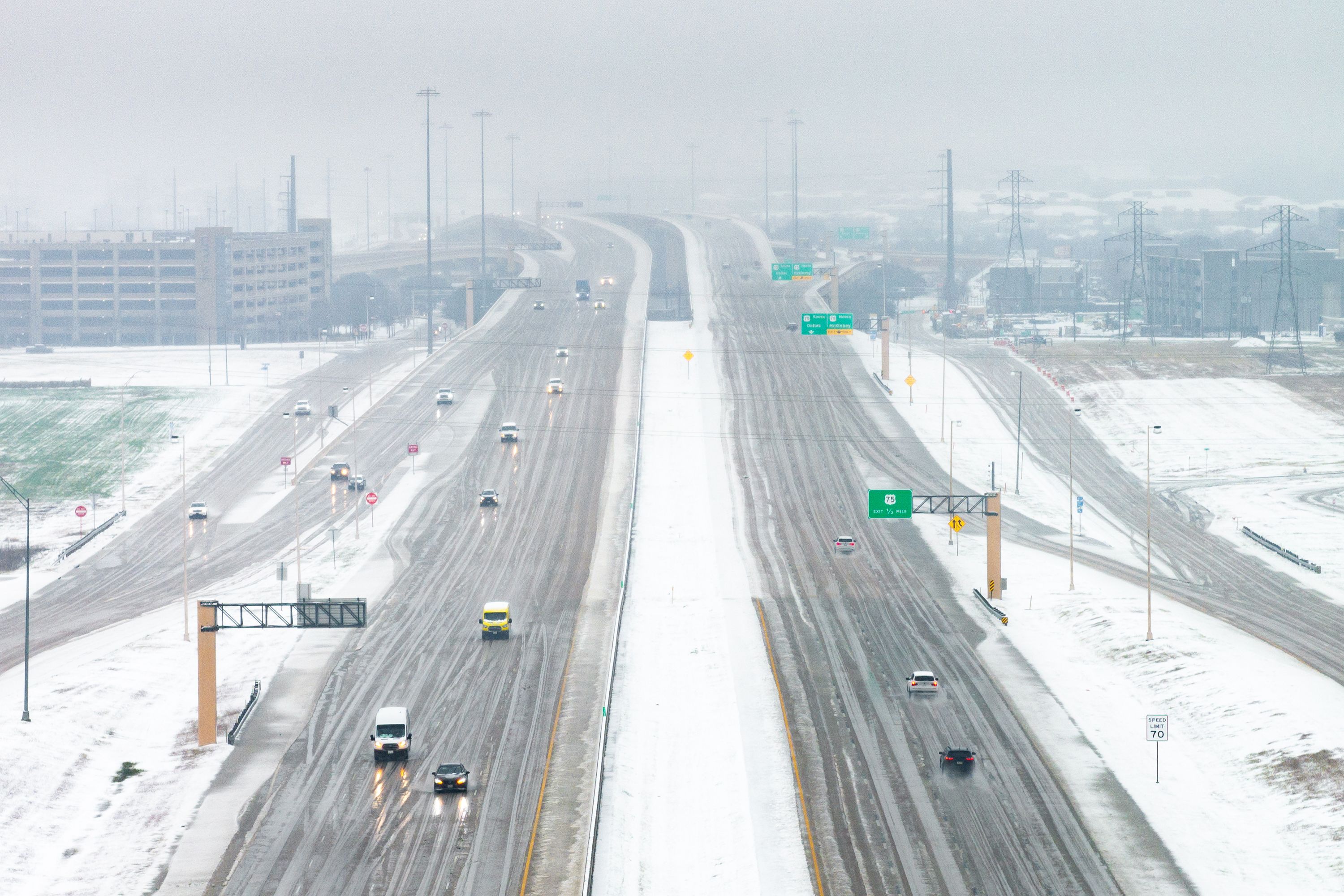
Photo: CNN
Extreme Winter Weather Disrupts Retail Operations
Gap Inc.’s latest quarterly results were weighed down by severe winter storms that swept across much of the United States during the critical holiday shopping season, forcing the company to temporarily close hundreds of retail locations and disrupting consumer traffic.
The apparel retailer reported that nearly 800 stores across its brand portfolio were forced to shut down temporarily at the height of the storms in January. Heavy snowfall, icy road conditions, and widespread travel disruptions kept shoppers at home and limited store access during one of the busiest retail periods of the year.
These disruptions played a significant role in the company’s fiscal fourth-quarter earnings falling slightly below expectations, even though overall revenue met Wall Street forecasts. The closures primarily affected physical store traffic for major brands including Old Navy, Gap, Banana Republic, and Athleta, all of which rely heavily on the holiday season for a large share of annual sales.
According to Gap executives, the weather-related closures created a sudden drop in store activity just as the company was beginning to see positive sales momentum heading into the new year.
Quarterly Results Show Mixed Performance
For the three-month period ending January 31, Gap delivered a mixed financial performance.
The company reported earnings per share of 45 cents, slightly below the 46 cents analysts had expected. Revenue came in at $4.24 billion, matching market forecasts and representing a 2% increase compared with $4.15 billion during the same quarter last year.
Despite the stable revenue figure, net profit declined compared with the previous year. Gap posted net income of $171 million, down from $206 million a year earlier.
Another area of pressure came from profitability. Gap’s gross margin fell to 38.1%, impacted by tariffs and higher supply chain costs, coming in slightly below analyst expectations.
Following the earnings release, investors reacted cautiously. Gap’s stock dropped as much as 9% in extended trading, reflecting concerns about profitability and slower-than-expected comparable sales growth.
Old Navy Loses Momentum After Storm Closures
The company’s largest brand, Old Navy, was particularly affected by the weather disruptions.
Old Navy generated $2.3 billion in sales during the quarter, representing a 3% increase year over year. Comparable sales also rose 3%, but that fell short of analyst expectations of 4.3% growth.
Gap executives noted that Old Navy had been performing strongly before the storms struck. Finance chief Katrina O’Connell explained that customer demand was trending higher in the weeks leading up to the weather disruptions.
However, the sudden closure of hundreds of stores significantly reduced foot traffic and temporarily interrupted sales momentum.
Despite the setback, the company believes Old Navy’s value-driven pricing strategy continues to resonate with shoppers, particularly as consumers remain cautious with discretionary spending. The brand has been attracting customers across a wide range of income levels by focusing on affordability, promotions, and family-oriented apparel.
Gap Brand Shows Strongest Growth
While Old Navy faced temporary headwinds, the company’s namesake Gap brand delivered the strongest performance of the quarter.
Sales for the Gap label rose 8% to $1.1 billion, while comparable sales climbed 7%, significantly exceeding analyst expectations of roughly 4.6% growth.
The brand’s resurgence is part of CEO Richard Dickson’s broader turnaround strategy, which has focused on modernizing product design, improving brand storytelling, and reconnecting with younger consumers.
Gap has been actively repositioning itself as a culturally relevant fashion brand, particularly among Gen Z shoppers, through collaborations, refreshed marketing campaigns, and updated product collections.
The improved performance suggests the strategy is beginning to pay off after several years of declining brand relevance in the competitive apparel market.
Banana Republic Builds Consistent Momentum
Another bright spot for the company was Banana Republic, which posted its third consecutive quarter of positive comparable sales growth.
Comparable sales increased 4%, beating analyst expectations of approximately 2.5%, while total sales rose 1% to $549 million.
The brand’s performance was driven largely by strong demand in its men’s apparel category, particularly for premium products such as traveler pants, cashmere sweaters, and high-end outerwear.
According to Dickson, Banana Republic is also seeing more consistent results in its women’s line as the company refines its product assortment.
Recent product categories such as denim skirts, knitwear, and seasonal outerwear have helped stabilize performance and rebuild the brand’s identity around premium lifestyle fashion.
Executives say the brand is gradually regaining momentum as it enters the next fiscal year.
Athleta Continues to Struggle
While several brands showed improvement, Athleta remained the weakest performer within Gap’s portfolio.
Revenue at the athletic apparel brand fell 11% year over year to $354 million, while comparable sales declined 10%.
Part of the decline reflects broader softness in the athletic apparel market, which has become increasingly competitive with major brands such as Nike, Lululemon, and emerging direct-to-consumer fitness labels.
However, Gap leadership also acknowledged that Athleta has faced internal strategic challenges, including misjudging its core customer base and launching product lines that failed to resonate with shoppers.
Under new leadership, the brand is now working to reset its strategy. This includes revamping product assortments, reintroducing popular legacy styles, and investing in innovation across performance apparel categories.
Executives say the turnaround effort is still in progress and may take several quarters before meaningful improvement becomes visible.
Tariffs and Trade Policy Could Boost Future Profitability
Another important factor influencing Gap’s financial outlook is U.S. trade policy.
The company had been significantly affected by global tariffs introduced during the Trump administration, which increased import costs across much of the apparel industry.
However, recent legal developments may offer some relief. A series of global tariffs were recently struck down by the U.S. Supreme Court, and the newly implemented 15% tariff rate is slightly lower than the levels many companies had previously been preparing for.
Gap did not incorporate the potential tariff changes into its official guidance because executives say the policy environment remains uncertain.
Still, O’Connell indicated that if the current tariff structure remains in place through the rest of the year, the company could see a modest improvement in operating income and overall margins.
Guidance Reflects Gradual Growth Expectations
Looking ahead, Gap expects steady but modest growth.
For the current quarter, the company forecasts revenue growth between 1% and 2%, roughly in line with analyst expectations.
For the full fiscal year, Gap projects sales growth of 2% to 3%, consistent with the market’s consensus estimate of about 2.5% growth.
The company also provided an adjusted earnings outlook after receiving a $313 million legal settlement during the quarter.
Gap now expects adjusted full-year earnings per share between $2.20 and $2.35, close to Wall Street expectations of approximately $2.32 per share.
Gap’s Turnaround Strategy Enters a New Phase
CEO Richard Dickson, who took over leadership slightly more than two years ago, says the company has reached a turning point in its turnaround effort.
Over the past several years, Gap has focused on restoring profitability, strengthening brand identity, and stabilizing its balance sheet. The company now holds approximately $3 billion in cash, giving it greater financial flexibility.
With the early stages of the turnaround largely completed, Dickson says the company’s next phase will focus on accelerating growth and expanding into new categories.
Key initiatives include expanding into beauty products and accessories, as well as building a fashion and entertainment platform following the appointment of a chief entertainment officer.
According to Dickson, these initiatives are expected to begin scaling more aggressively starting next year.
“Our primary focus is continuing to grow our core apparel business,” Dickson said. “That comes from better products, stronger storytelling, and disciplined execution.”
Retail Recovery Continues Despite Short-Term Setbacks
Although the winter storms created a temporary setback, Gap executives emphasize that underlying demand across several of the company’s brands remains strong.
Sales trends rebounded quickly once stores reopened, suggesting that the disruption was largely weather-related rather than a sign of weakening consumer demand.
With improved brand momentum, a strengthened balance sheet, and new growth initiatives underway, Gap believes it is entering the next phase of its transformation after years of restructuring and operational changes.
For investors and industry observers, the company’s ability to maintain that momentum while navigating tariffs, evolving consumer preferences, and competitive pressures will determine how successful the next stage of its turnaround ultimately becomes.
.webp)
Popular articles



Subscribe to unlock premium content
Driven by Desire in London

Hyper-Niche Gold
The Rise of Private Robotics Tutors for Children

Driven by Desire in London
Hyper-Niche Gold
Driven by Desire in London