India’s Public Refiners Deepen Russian Oil Ties Despite Rising U.S. Tariff Pressure

India’s Public Refiners Deepen Russian Oil Ties Despite Rising U.S. Tariff Pressure
By
Alina Sinclair
Last updated:
January 7, 2026
First Published:
April 25, 2026

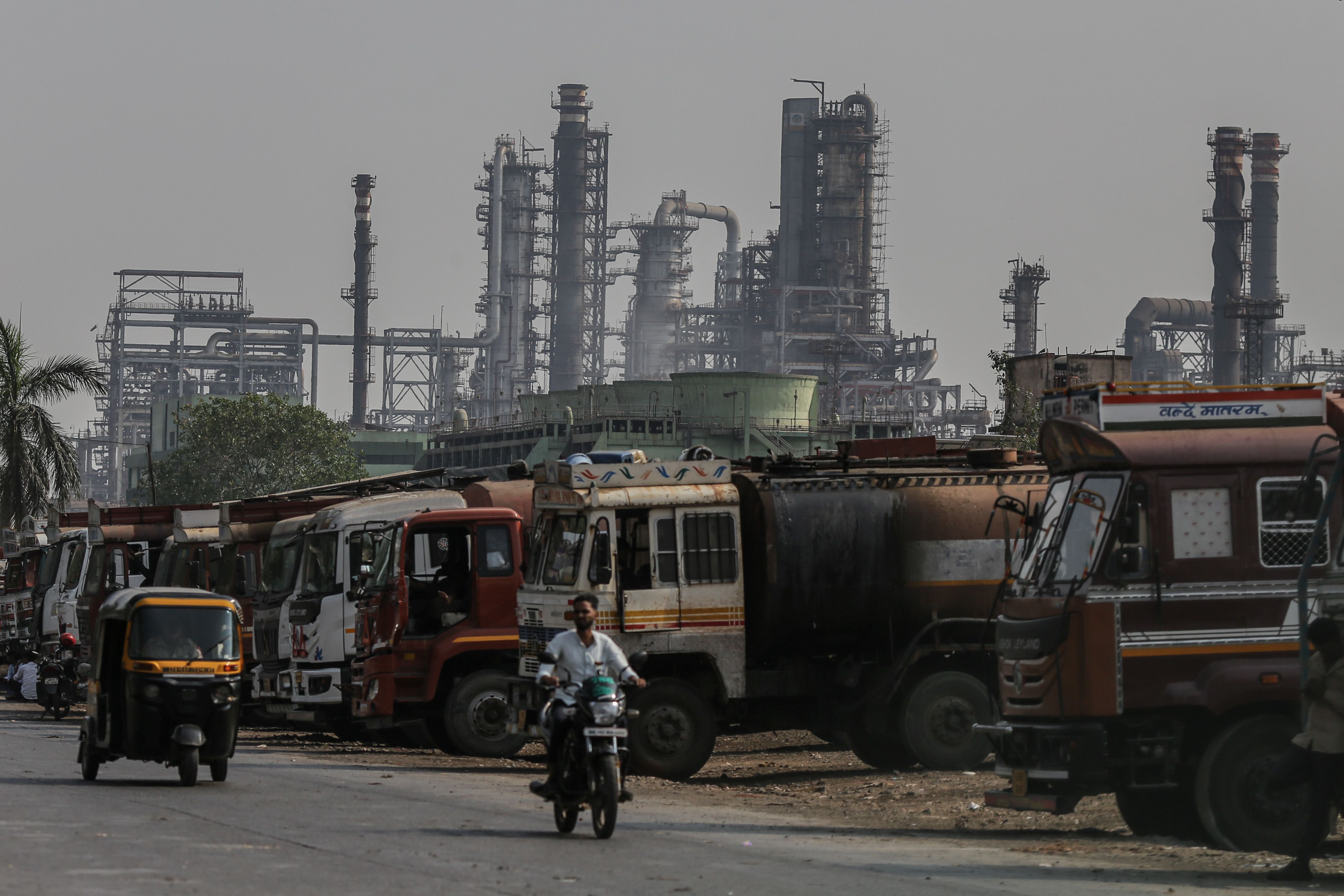
Photo: CNN
Strategic Buying Continues Amid Diplomatic Strain
India’s state-owned oil refiners are continuing to secure Russian crude for future delivery, underscoring New Delhi’s complex balancing act between energy security and escalating trade pressure from the United States. This comes even as Indian officials seek relief from U.S. tariffs imposed specifically over the country’s ongoing purchases of Russian oil.
Energy analysts note that while India’s overall intake of Russian crude has declined in recent months, the drop has not been uniform across the sector. Instead, demand has shifted from private refiners to public sector undertakings, reshaping the flow of Russian oil into the Indian market rather than eliminating it.
U.S. Tariffs and Sanctions Raise the Stakes
In August, Washington imposed a secondary tariff of 25% on selected Indian exports, citing India’s continued reliance on Russian crude as a key justification. The pressure intensified further in late November when the U.S. sanctioned major Russian oil producers, including Lukoil and Rosneft, tightening restrictions on global buyers.
The measures are part of broader Western efforts to curb Moscow’s energy revenues, a critical source of funding amid Russia’s ongoing war in Ukraine. India, however, has consistently argued that affordable energy imports are essential for maintaining domestic fuel stability and economic growth.
Private Refiners Pull Back, State Firms Step In
Much of the recent decline in India’s Russian oil imports has been driven by private players. Reliance Industries, controlled by billionaire Mukesh Ambani and previously one of the largest buyers of Russian crude, significantly reduced its purchases after the latest U.S. sanctions came into force.
State-owned refiners have partially filled that gap. According to market trackers, public sector companies such as Indian Oil Corporation, Bharat Petroleum Corporation, and Hindustan Petroleum Corporation have continued sourcing Russian oil through non-sanctioned intermediaries, primarily for future deliveries.
This shift has helped cushion the overall impact of reduced private-sector buying, keeping Russian crude firmly embedded in India’s energy mix.
What the Numbers Show
Data from multiple energy intelligence firms highlights the scale of the adjustment. Estimates suggest India’s Russian crude imports fell by roughly 300,000 barrels per day after November, settling near 1.7 million barrels per day. A modest rebound to around 1.8 million barrels per day is expected in January, supported largely by sustained demand from public sector refiners.
More granular shipment data shows a sharper month-on-month drop in December, with imports falling by nearly 600,000 barrels per day to about 1.24 million barrels per day, the lowest level seen since late 2022. Analysts emphasize that this reflects timing, sanctions-related disruptions, and changes in buyer composition rather than a structural exit from Russian supply.
Demand Redistribution, Not Demand Destruction
Industry experts stress that the current trend points to a redistribution of demand rather than a collapse. Public sector refiners continue to process Russian crude due to favorable pricing, stable supply terms, and strong domestic fuel consumption, particularly for diesel and aviation fuel.
Russia’s discounted oil has played a significant role in keeping India’s fuel inflation in check over the past two years, giving state refiners a strong incentive to maintain these flows where possible.
Political Pressure Mounts Again
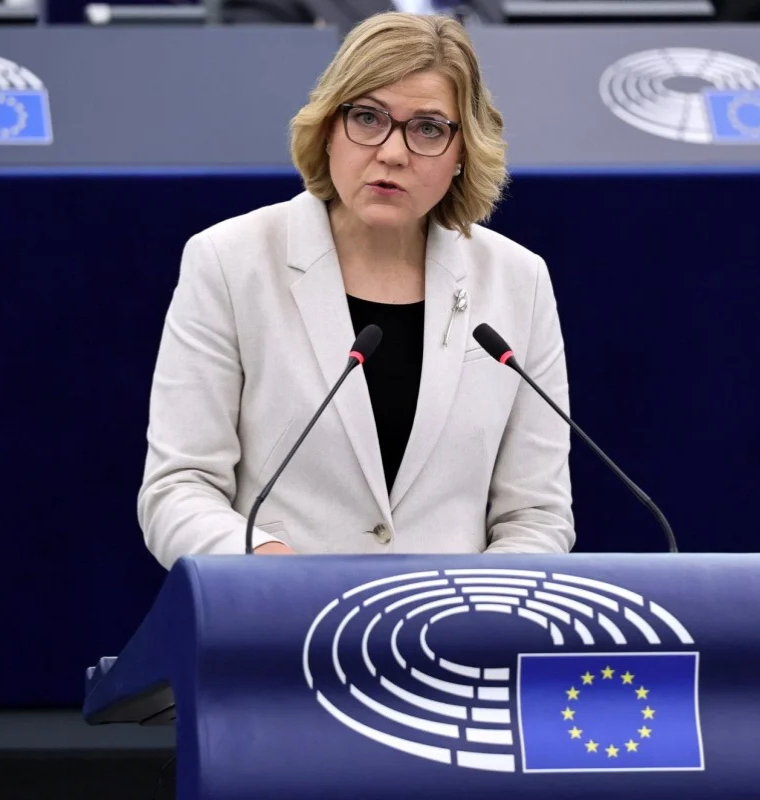
The issue has also resurfaced at the highest political levels. Over the weekend, U.S. Senator Lindsey Graham stated that India’s ambassador to Washington had urged him to encourage President Donald Trump to roll back the tariffs, arguing that India has already reduced its Russian oil purchases.
Trump, however, signaled that further tariff increases remain on the table if India does not significantly scale back imports. Speaking to reporters aboard Air Force One, he reiterated that trade penalties could be expanded should New Delhi fail to align more closely with U.S. expectations.
A Delicate Energy and Trade Balancing Act
For India, the situation highlights a persistent dilemma. On one side is the need to safeguard affordable energy for a growing economy of more than 1.4 billion people. On the other is the risk of worsening trade relations with its largest export market.
As private refiners retreat and state-owned firms quietly sustain Russian oil purchases, India appears to be managing exposure rather than executing a full pivot. Whether this approach will satisfy Washington or invite tougher trade action remains one of the most closely watched questions in global energy and trade policy.
.webp)
Popular articles



Subscribe to unlock premium content
The Market for Renting Private Libraries Where Only Rare, Unpublished Manuscripts Exist

Living Underwater in the Heart of the City

Frozen Luxury in Europe

The Market for Renting Private Libraries Where Only Rare, Unpublished Manuscripts Exist
Living Underwater in the Heart of the City
The Market for Renting Private Libraries Where Only Rare, Unpublished Manuscripts Exist