Greenland’s Leader Pushes Back Firmly Against Trump’s Tariff Ultimatum

Greenland’s Leader Pushes Back Firmly Against Trump’s Tariff Ultimatum
By
Alina Sinclair
Last updated:
January 20, 2026
First Published:
April 25, 2026

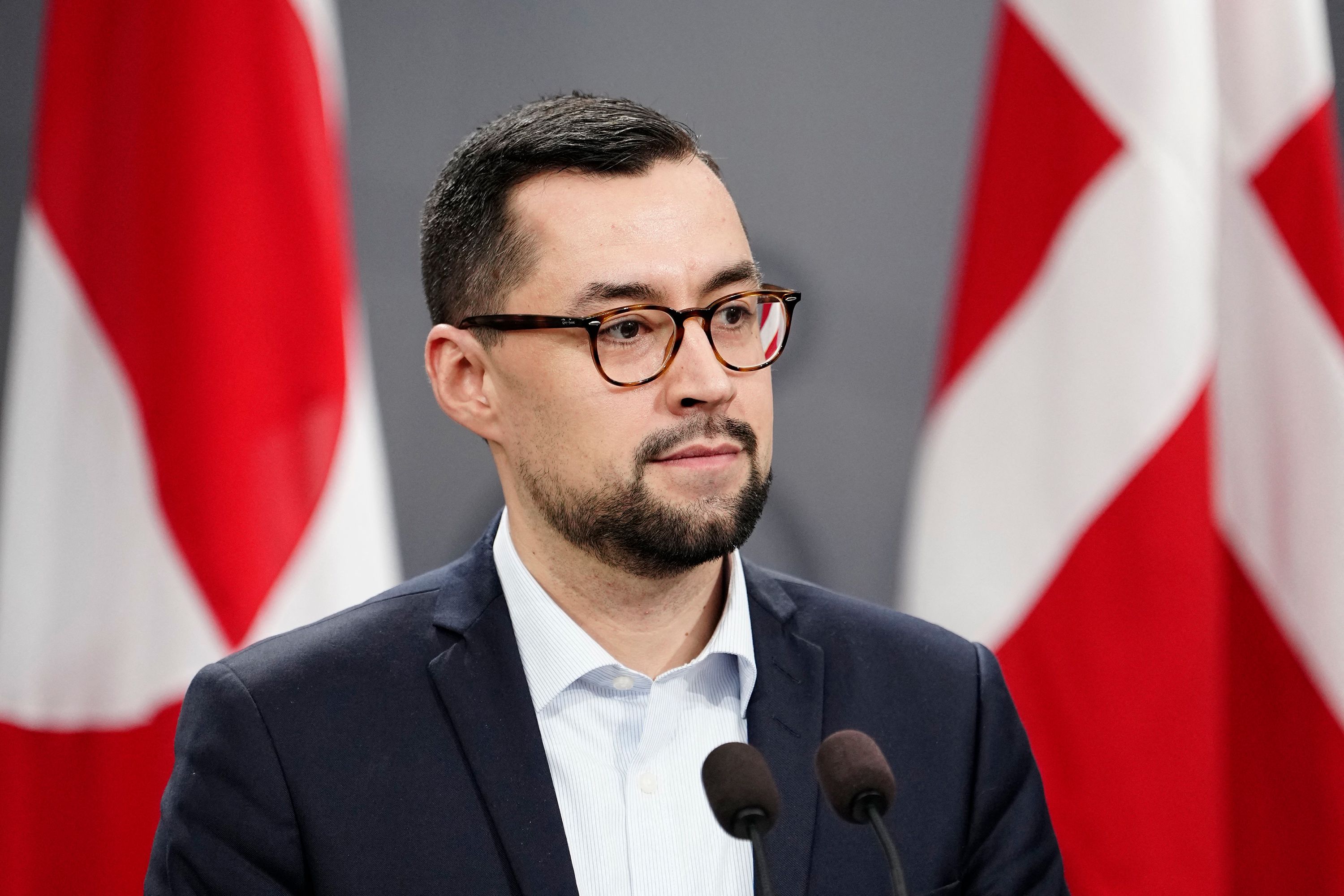
Photo: Getty Images
Greenland’s Leadership Holds Firm
Greenland’s Prime Minister Jens-Frederik Nielsen has delivered a firm response to U.S. President Donald Trump’s recent tariff threats, emphasizing that the Arctic territory will not be pressured into political decisions through economic coercion. Nielsen stated that Greenland remains committed to dialogue, respect, and international law, making clear that outside threats will not influence the island’s governance or future.
The statement follows Trump’s announcement that the United States would impose tariffs on eight European countries over their opposition to his plan to acquire Greenland, a self-governing region of the Kingdom of Denmark.
Escalating Tariff Threats
Trump announced that starting February 1, 2026, a 10 percent tariff would be applied to imports from Denmark, Norway, Sweden, France, Germany, the United Kingdom, the Netherlands, and Finland unless Denmark agrees to sell Greenland. He warned that the rate would rise to 25 percent on June 1 if no deal is reached.
European officials quickly condemned the move, calling it unprecedented and stressing that disputes between allies should be resolved through negotiation rather than punitive economic measures.
Public Protests and Domestic Support
Over the past weekend, thousands of Greenlanders marched in Nuuk, Greenland’s capital, demonstrating against Washington’s push for control of the island. The protests highlighted widespread public opposition and reinforced Nielsen’s commitment to protecting Greenland’s autonomy.
Nielsen personally joined the demonstrations, sending a clear signal that Greenlandic leadership stands alongside its citizens in asserting the island’s self-determination.
European Solidarity
European leaders from the affected nations voiced strong opposition to Trump’s tariffs, reaffirming Denmark’s authority over Greenland and the island’s right to make its own decisions. Officials emphasized that transatlantic unity and cooperation remain critical and that disputes should not be escalated through coercive measures.
Several leaders highlighted that any unilateral attempt to acquire Greenland would undermine longstanding alliances and could have broader implications for European security and economic relations.
Strategic and Security Considerations
Trump has argued that Greenland is crucial for U.S. national security due to its strategic location in the Arctic and rich mineral resources, citing concerns over Russian and Chinese influence in the region. However, Danish and Greenlandic officials, supported by European allies, maintain that Arctic security is best managed collectively through NATO and diplomatic frameworks rather than through unilateral U.S. acquisition.
In response to the tensions, Denmark has increased its military presence on the island as part of Arctic security exercises with European partners, reinforcing the message that Greenland’s decisions will be guided by sovereignty and allied consensus.
Looking Ahead
European Union representatives have held emergency discussions to evaluate potential countermeasures, including economic responses designed to deter coercion. While no retaliatory actions have been implemented, the standoff underscores the commitment of Greenlandic and European leaders to uphold international law and defend the island’s self-governance against external pressure.
Greenland’s prime minister has made it clear: the island’s future will be determined by its people and allied support, not by economic threats from external powers.
.webp)
Popular articles



Subscribe to unlock premium content
Remote Himalayan Villages Transforming Ancient Traditions into Lucrative Wellness Ventures
Gilded Holidays in Fashion

Frozen Frontiers of Luxury
Remote Himalayan Villages Transforming Ancient Traditions into Lucrative Wellness Ventures
Gilded Holidays in Fashion
Remote Himalayan Villages Transforming Ancient Traditions into Lucrative Wellness Ventures