Former Andreessen Horowitz Partner Warns AI Industry’s Political Influence Campaign Could Backfire

Former Andreessen Horowitz Partner Warns AI Industry’s Political Influence Campaign Could Backfire
By
David Goldfarb
Last updated:
June 12, 2026
First Published:
June 12, 2026

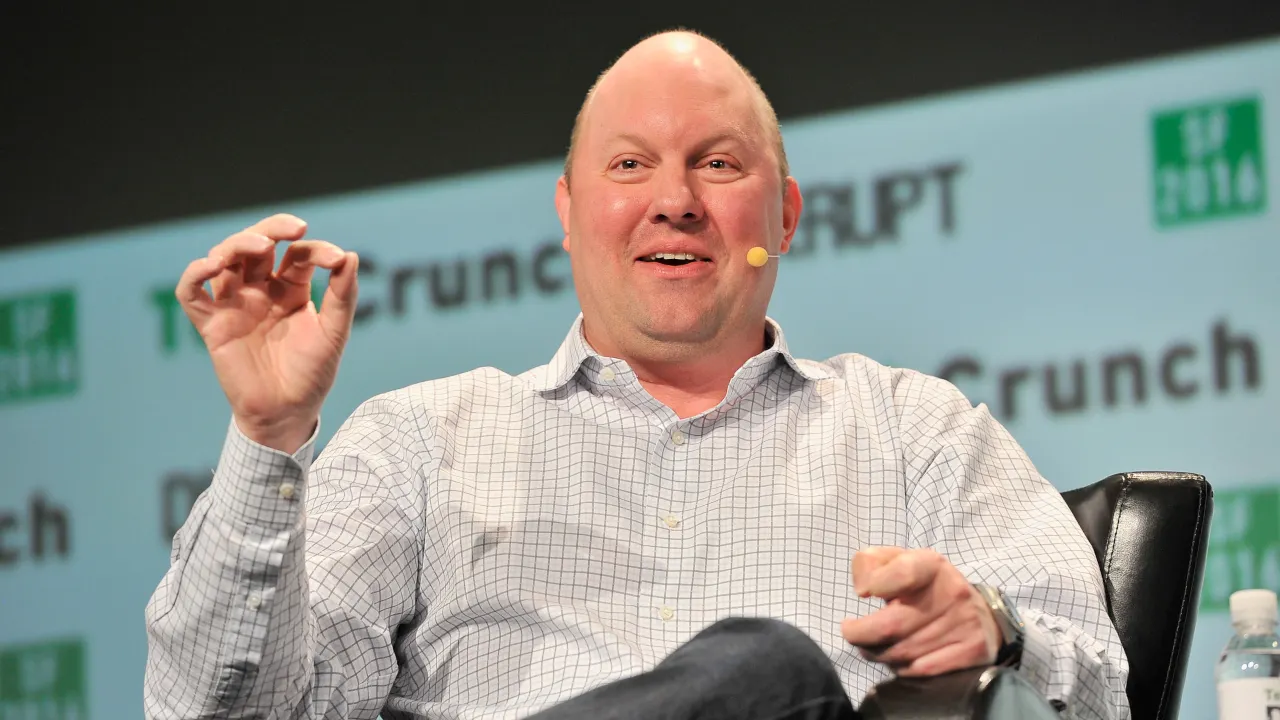
Photo: Decrypt
The debate over artificial intelligence regulation has entered a new phase as a former senior partner at one of Silicon Valley’s most influential venture capital firms publicly challenged the growing political influence of the AI industry.
John O’Farrell, who spent nearly 15 years as a general partner at Andreessen Horowitz before departing in 2025, has issued a sharp critique of how some technology investors and AI companies are attempting to shape public policy. In a widely discussed opinion piece, O’Farrell argued that efforts by industry-backed political organizations to influence lawmakers could ultimately damage public trust, weaken democratic processes, and create a stronger backlash against artificial intelligence.
His comments highlight an increasingly important question facing governments, businesses, and voters worldwide: Who should shape the rules governing one of the most powerful technologies ever created?
The Growing Political Power of the AI Industry
Artificial intelligence has rapidly evolved from a niche technology sector into one of the most strategically important industries in the global economy.
Over the past three years, AI companies have attracted hundreds of billions of dollars in investment as businesses race to deploy large language models, automation tools, advanced computing systems, and generative AI platforms. Industry forecasts suggest the global AI market could exceed $1.5 trillion within the next decade, making regulation and oversight increasingly significant political issues.
As AI's economic influence grows, so has its political presence.
Major technology investors, startup founders, and AI executives have become increasingly active in Washington, supporting policy initiatives, lobbying efforts, and political organizations aimed at shaping the future regulatory environment.
O’Farrell believes some of these efforts have crossed a line.
Criticism of AI-Focused Political Action Committees
At the center of O’Farrell’s concerns is a political action committee known as Leading the Future, a well-funded organization established to support political candidates who favor what it describes as a pro-innovation approach to artificial intelligence policy.
The organization has attracted support from some of the most influential figures in technology, including major venture capital firms, AI founders, and prominent Silicon Valley investors.
According to public reports, the PAC has raised more than $125 million, making it one of the most financially powerful organizations focused on technology policy.
Supporters argue that artificial intelligence represents a transformative opportunity for economic growth, scientific advancement, healthcare innovation, national security, and productivity gains. They believe excessive regulation could slow innovation and weaken America's competitive position against global rivals.
O’Farrell, however, argues that large-scale political spending creates the perception that wealthy technology leaders are attempting to shape regulation primarily in their own interests.
He contends that policymakers should be encouraged to openly debate both the benefits and risks of AI rather than face pressure from powerful industry-backed political campaigns.
A Growing Divide Within Silicon Valley
The disagreement reflects a broader divide emerging within the technology sector.
Many AI executives advocate for minimal restrictions during the industry's growth phase, arguing that rapid innovation is necessary to maintain leadership in an increasingly competitive global market.
Others believe stronger safeguards are needed to address concerns surrounding misinformation, employment disruption, cybersecurity threats, privacy risks, intellectual property issues, and the concentration of technological power.
O’Farrell belongs to the latter group.
He argues that artificial intelligence differs fundamentally from previous technology waves because of its potential impact on nearly every aspect of society. For that reason, he believes technology leaders should actively support informed public discussions rather than focus primarily on preventing regulation.
According to his view, responsible governance and technological innovation should advance together rather than exist in opposition.
The Crypto Industry Comparison
One of O’Farrell’s strongest criticisms centers on what he describes as a political strategy borrowed from the cryptocurrency industry.
In recent years, crypto-related organizations spent heavily on political campaigns and lobbying efforts to influence legislation and support candidates viewed as favorable to the sector.
Many observers consider those efforts highly successful, with the industry securing increased political influence and helping shape regulatory discussions across Washington.
O’Farrell argues that portions of the AI industry are now adopting a similar playbook.
Rather than focusing exclusively on policy discussions, he believes some organizations are attempting to influence the political landscape through substantial campaign spending and electoral support.
The concern, according to O’Farrell, is that such strategies may create the impression that public policy is being shaped by financial power rather than public interest.
Andreessen Horowitz's Expanding Political Influence
The criticism carries particular weight because of O’Farrell’s long history within Andreessen Horowitz, one of Silicon Valley’s most influential venture capital firms.
Over the past decade, the firm has become a major force in technology investing, backing companies across artificial intelligence, software, fintech, cryptocurrency, defense technology, and healthcare.
More recently, the firm expanded its political engagement, becoming increasingly active in debates surrounding technology policy, innovation, and regulation.
Founders Marc Andreessen and Ben Horowitz publicly supported policies they believed would create a more favorable environment for emerging technology companies. Their growing involvement in political discussions elevated the firm's influence beyond traditional venture investing.
As AI became one of the world's fastest-growing industries, that influence expanded further.
O’Farrell's comments therefore represent not only criticism of a broader trend but also a direct challenge to strategies pursued by former colleagues and industry peers.
The White House and Regulatory Debate
The controversy comes at a time when artificial intelligence policy is rapidly evolving in the United States.
Recent government initiatives have sought to balance innovation with oversight, while policymakers continue debating how aggressively AI systems should be regulated.
Supporters of lighter regulation argue that excessive government intervention could slow technological progress, discourage investment, and weaken America's ability to compete against countries investing heavily in AI development.
Meanwhile, advocates of stronger oversight point to concerns surrounding algorithmic bias, deepfakes, election security, workforce disruption, autonomous decision-making systems, and national security risks.
This debate has become increasingly prominent as generative AI tools are adopted by businesses, governments, educational institutions, and consumers worldwide.
The lack of consensus has created an environment where lobbying organizations and industry-backed groups are attempting to influence the direction of future legislation.
OpenAI and Industry Distancing Efforts
The political activity surrounding AI has also created challenges for companies attempting to maintain neutrality.
Several organizations associated with the broader AI ecosystem have faced questions regarding their involvement in advocacy groups and political campaigns.
Some companies have publicly clarified that while individual executives or investors may support certain organizations, those activities do not necessarily represent official corporate positions.
This reflects a growing awareness that public perception matters as much as technological innovation.
As artificial intelligence becomes more deeply integrated into daily life, trust is emerging as one of the industry's most valuable assets.
Companies increasingly recognize that maintaining credibility with regulators, consumers, and governments may require greater transparency regarding their political activities.
Why Public Trust Could Become the Industry's Biggest Challenge
O’Farrell's central argument is not that artificial intelligence should be heavily regulated or that innovation should be slowed.
Instead, he warns that attempts to dominate the political conversation through massive financial influence could trigger unintended consequences.
Public opinion surveys consistently show that many citizens remain concerned about the rapid advancement of artificial intelligence. Issues such as job displacement, privacy protection, misinformation, and corporate power continue to generate significant debate.
If voters begin to believe that wealthy investors and technology executives are suppressing legitimate discussions about regulation, O’Farrell argues that public resistance could intensify.
Such a backlash could ultimately lead to more aggressive regulation rather than less.
For an industry seeking long-term growth and acceptance, maintaining public trust may prove just as important as securing political influence.
The Future of AI Governance
The disagreement reflects a broader challenge facing governments around the world.
Artificial intelligence offers extraordinary opportunities to improve productivity, accelerate scientific discovery, enhance healthcare outcomes, and transform industries. At the same time, it introduces risks that policymakers are still struggling to fully understand.
Finding the right balance between innovation and oversight will likely remain one of the defining policy debates of the next decade.
The technology sector, regulators, investors, and the public all have a stake in determining how that balance is achieved.
O’Farrell believes the answer lies not in political pressure campaigns but in transparent dialogue, responsible leadership, and meaningful engagement with policymakers.
Conclusion
John O’Farrell’s criticism highlights growing tensions within Silicon Valley as artificial intelligence becomes both an economic powerhouse and a political force.
While industry leaders continue investing heavily in shaping AI policy, concerns are emerging over whether large-scale political spending risks undermining public confidence in the technology itself.
As governments worldwide work to establish rules for artificial intelligence, the debate is shifting beyond technical capabilities and economic opportunity. Increasingly, it is becoming a discussion about accountability, trust, and who should have the greatest influence over the future of one of the world's most transformative technologies.
.webp)
Popular articles



Subscribe to unlock premium content
Iceland’s Adventure Lodges Are Redefining Remote Work

Inside Japan’s Luxury Ryokans That Blend Tradition with Modern Experiences

Greece’s Tourism-Driven Economy: Lessons From Financial Crises

Iceland’s Adventure Lodges Are Redefining Remote Work
Inside Japan’s Luxury Ryokans That Blend Tradition with Modern Experiences
Iceland’s Adventure Lodges Are Redefining Remote Work