Lush — The Handmade Cosmetics Brand Redefining Ethical Beauty

Lush — The Handmade Cosmetics Brand Redefining Ethical Beauty
By
David Goldfarb
Last updated:
June 12, 2026
First Published:
June 12, 2026

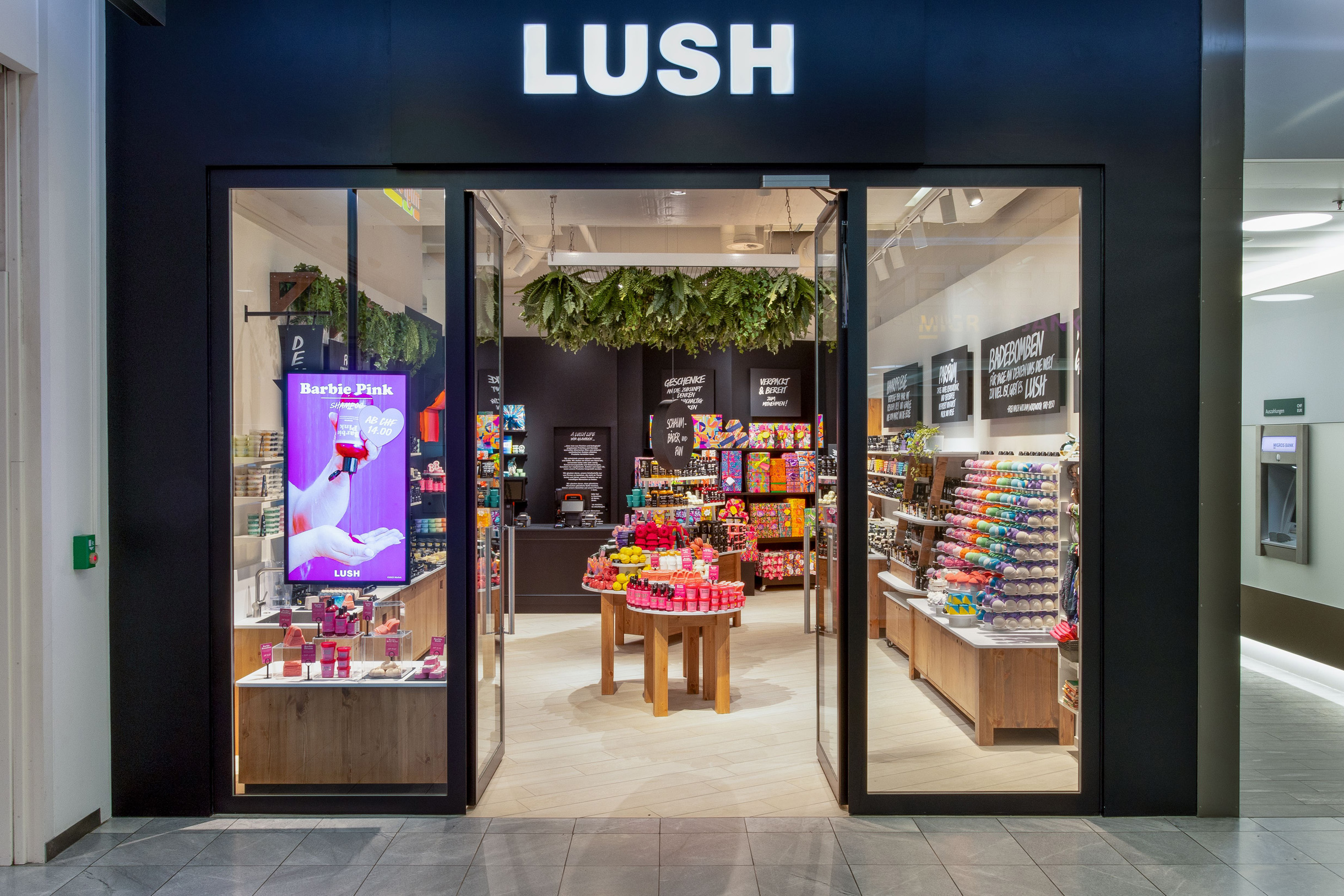
Lush – Fresh Cosmetics with a Purpose
Founded in 1995, Lush is a UK-based cosmetics company known for its handmade bath, skincare, and beauty products made with fresh, ethically sourced ingredients. The brand became iconic for its colorful store designs, strong scent identity, and commitment to “fresh cosmetics” — products made without unnecessary preservatives and packed with natural ingredients.
Lush’s mission goes beyond beauty. The company positions itself as a force for environmental and ethical change, focusing on cruelty-free testing, minimal packaging, and activism-driven campaigns. It has become one of the most recognizable ethical beauty brands in the world.
Founding Story
Lush was founded by Mark Constantine, Liz Weir, and a small team of cosmetic formulators in Poole, England. Constantine, a trained trichologist, had already spent years developing hair and skincare formulations for other brands before deciding to build something radically different.
The founders were frustrated with mass-produced cosmetics that relied heavily on preservatives, synthetic ingredients, and excessive packaging. Their vision was simple but ambitious: create fresh, effective beauty products that are handmade, ethical, and environmentally responsible.
They started by producing small batches in a local kitchen-style setup, selling directly to customers through mail orders and a single shop. The early philosophy was centered on transparency, ingredient simplicity, and sensory experience.
Funding and Growth Milestones
Unlike many tech startups, Lush grew largely without traditional venture capital, relying instead on reinvested profits and organic expansion:
- 1995: First store opened in Poole, UK, launching core handmade product lines.
- Late 1990s: Rapid expansion across the UK through high-street retail stores.
- Early 2000s: International expansion into Europe, North America, and Asia.
- 2007: Expanded manufacturing hubs globally to support localized fresh production.
- 2010s: Reached hundreds of stores worldwide, with strong direct-to-consumer and retail presence.
- 2020+: Strengthened digital commerce while maintaining strict ethical sourcing and packaging policies.
Today, Lush operates in over 40+ countries with a strong retail footprint and a loyal global customer base.
Business Model and Technology
Lush’s business model is built around handmade production, ethical sourcing, and experiential retail:
- Handmade Production: Most products are made in small batches to maintain freshness and quality.
- Retail Experience Model: Stores are designed as immersive sensory spaces with strong colors, scents, and product demonstrations.
- Direct-to-Consumer & Retail: Operates both physical stores and online sales channels.
- Ethical Sourcing: Ingredients are sourced from suppliers aligned with fair trade and sustainability standards.
- Minimal Packaging Strategy: Strong emphasis on “naked products” (packaging-free items) to reduce plastic waste.
- Revenue Streams: Product sales across skincare, bath bombs, shampoos, soaps, and seasonal collections.
Lush’s differentiation lies in its strong brand identity rather than aggressive technological innovation.
Market Impact
Lush has significantly influenced the global cosmetics and skincare industry:
- Ethical Beauty Movement: Helped normalize cruelty-free and vegan cosmetics in mainstream markets.
- Sustainable Packaging: Pushed competitors to reduce plastic usage and adopt refillable or minimal packaging.
- Retail Innovation: Created immersive store experiences that transformed cosmetic retail into sensory storytelling.
- Brand Loyalty: Built a strong global community of customers aligned with ethical consumption values.
Its “bath bomb” product category alone became a global cultural trend, widely imitated across the industry.
Challenges and Controversies
Despite its success, Lush has faced several challenges:
- Supply Chain Complexity: Maintaining fresh, handmade production at global scale is operationally demanding.
- Pricing Pressure: Ethical sourcing and small-batch production lead to higher product prices compared to mass-market competitors.
- Scalability Limits: Avoiding industrial mass production restricts rapid scaling.
- Activism Backlash: Some of its political and environmental campaigns have sparked controversy in certain markets.
Lush continues to balance its activist identity with commercial expansion carefully.
Future Outlook
Lush continues to evolve while maintaining its core principles:
- Expansion of “Naked” Products: Increasing packaging-free product lines.
- Digital Growth: Strengthening e-commerce and direct customer engagement.
- Sustainability Innovation: Investing in regenerative sourcing and carbon reduction initiatives.
- Global Retail Expansion: Selectively opening new stores in high-impact markets.
The brand aims to remain a leader in ethical cosmetics while resisting over-industrialization.
From a small UK startup to a global ethical beauty brand, Lush demonstrates how values-driven entrepreneurship can scale internationally without losing identity. By combining handmade production, strong ethical principles, and immersive retail experiences, Lush transformed cosmetics into a movement rather than just a product category.
Its story highlights that in modern consumer markets, purpose and branding can be just as powerful as technology and capital.
.webp)
Popular articles



Subscribe to unlock premium content
Iceland’s Adventure Lodges Are Redefining Remote Work

Inside Japan’s Luxury Ryokans That Blend Tradition with Modern Experiences

Greece’s Tourism-Driven Economy: Lessons From Financial Crises

Iceland’s Adventure Lodges Are Redefining Remote Work
Inside Japan’s Luxury Ryokans That Blend Tradition with Modern Experiences
Iceland’s Adventure Lodges Are Redefining Remote Work