
Europe’s Push to Tap $105 Billion in Frozen Russian Funds Sparks Warning of “Act of War” from Moscow

Europe’s Push to Tap $105 Billion in Frozen Russian Funds Sparks Warning of “Act of War” from Moscow
By
Alina Sinclair
Last updated:
December 5, 2025
First Published:
April 25, 2026

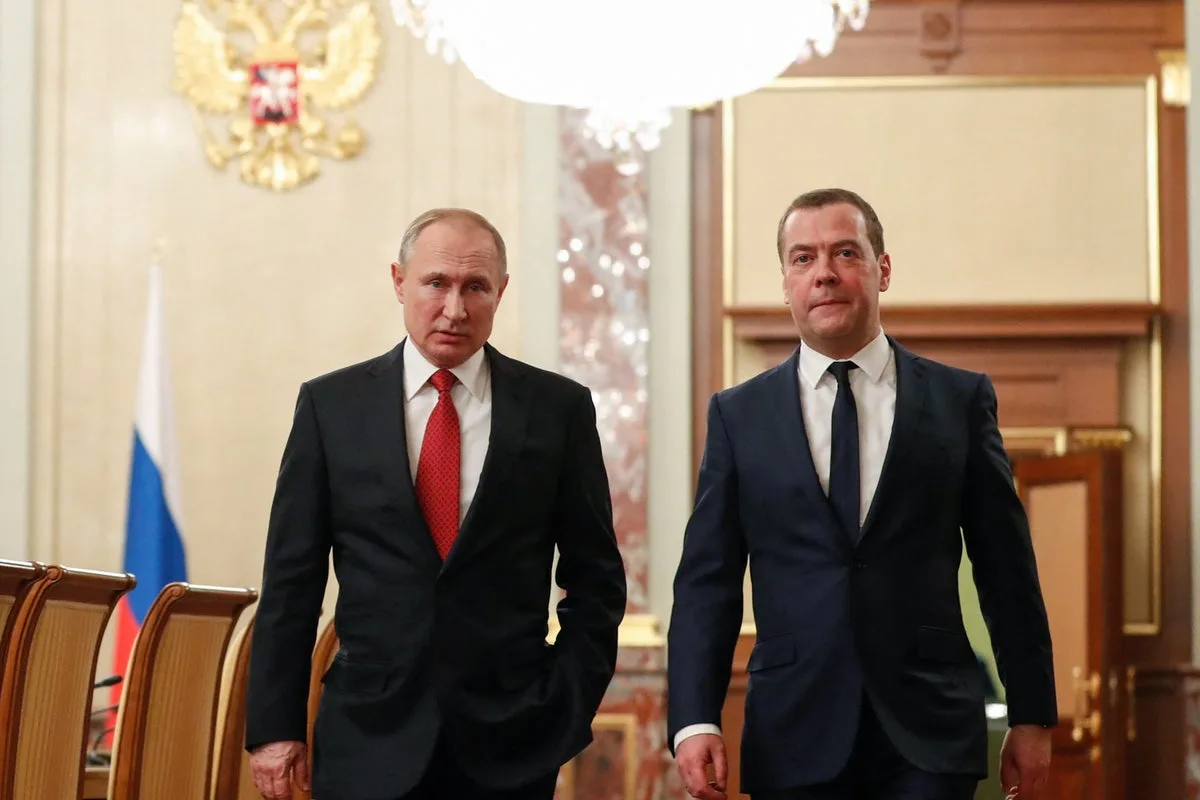
Photo: Yahoo News UK
Europe’s Plan to Use Frozen Russian Assets Raises the Stakes
The European Commission is advancing a controversial plan to channel €90 billion (about $105 billion) from frozen Russian state assets held across European financial institutions toward Ukraine’s long-term financing. These assets, immobilized following Russia’s 2022 full-scale invasion, have generated billions in profits for European banks, some of which have already been directed to Kyiv.
Now, the Commission wants to go further by turning the frozen principal into a “Reparations Loan” or, alternatively, borrowing equivalent funds from global markets. The objective is to cover a major portion of Ukraine’s projected $136.5 billion financing gap for 2026 through 2029, as estimated by the International Monetary Fund.
But Moscow sees the plan as a direct provocation. Dmitry Medvedev, deputy chairman of Russia’s Security Council, declared that using Russian assets for Ukraine could constitute a casus belli, or an act justifying war. His stark warning underscores the growing geopolitical risks surrounding the financial measures Europe is considering.
Moscow’s Reaction and the Legal Nexus
In a statement posted on Telegram, Medvedev accused the EU of attempting to “steal” Russian funds and warned that any such move could trigger consequences not only for Brussels but also for individual EU member states.
Despite Moscow’s protests, the European Commission insists the proposal is legally sound. Under the structure of the reparations loan, Ukraine would only be responsible for repayment if Russia ultimately pays war reparations. European officials argue this mechanism avoids outright confiscation, which could violate international property protections.
Still, analysts and legal experts note that using frozen sovereign assets remains one of the most contested financial actions under international law. Belgium, home to Euroclear, the institution holding the largest share of Russia’s frozen central bank reserves, has been especially cautious. Belgian authorities fear long term legal exposure after the war and want coordinated burden-sharing across member states.
Europe Divided on Strategy While Ukraine’s Needs Grow
The proposed funding plan highlights deep divisions within the EU. Some countries—particularly Hungary—continue to resist providing additional financial support to Ukraine, complicating efforts to reach unanimity on borrowing options. If the EU chooses the reparations-loan path instead, it may only require a qualified majority vote, offering a more viable political route.
The Commission emphasizes that Ukraine’s financial needs remain enormous. With the war grinding into another year and Russia showing “no willingness to commit to a just and sustainable peace,” sustained European support is becoming increasingly essential. Without fresh funding, Kyiv faces widening resource gaps that could threaten its defensive capability and economic survival.
Rising Global Diplomatic Activity
The intensifying financial debate comes amid a new wave of diplomatic efforts aimed at negotiating some path toward peace. Ukraine’s national security chief Rustem Umerov is scheduled to meet U.S. special envoy Steve Witkoff in Miami, as Washington holds quiet channels with Moscow.
Meanwhile, French President Emmanuel Macron is in Beijing urging President Xi Jinping to apply more pressure on Russia and to restart meaningful dialogue. U.S. President Donald Trump told reporters that earlier discussions between American and Russian officials were “reasonably good,” though no concrete breakthroughs emerged.
The framework of the peace proposals remains unclear. A previous secret 28-point U.S.-Russia outline sent to Kyiv did not yield progress, and Western diplomats acknowledge that the sides remain far apart on core issues such as sovereignty, NATO membership and territorial concessions.
Europe’s Strategic Dilemma
Speaking at the 2025 Investor Summit in London, former UK ambassador to Washington Kim Darroch warned that the conflict may stretch well beyond winter. He argued that Ukraine cannot politically agree to surrender territory or abandon NATO ambitions, leaving few realistic paths to a short-term settlement.
Darroch added that if Washington eventually withdraws military support after failing to broker a deal, Europe may struggle to fill the gap, potentially placing Ukraine in an even more precarious position.
With the war showing no sign of resolution and Ukraine’s financial pressures escalating, Europe’s push to use frozen Russian assets has become a defining test of political will, legal interpretation and long-term strategy. The outcome could reshape not only the future of Ukraine but also the balance of power between Europe and Russia for years to come.
.webp)
Popular articles



Subscribe to unlock premium content
How Finland Uses Ice Swimming Festivals to Boost Winter Tourism and Local Economies

The Boom of Luxury Personal Libraries Renting Rare Books to the Ultra-Wealthy

Why Bhutan’s Hand-Woven Textiles Are Gaining Global Collector Value

How Finland Uses Ice Swimming Festivals to Boost Winter Tourism and Local Economies
The Boom of Luxury Personal Libraries Renting Rare Books to the Ultra-Wealthy
How Finland Uses Ice Swimming Festivals to Boost Winter Tourism and Local Economies


