
Elon Musk Defends H1-B Talent and Warns Tariffs Are Damaging Global Competition

Elon Musk Defends H1-B Talent and Warns Tariffs Are Damaging Global Competition
By
Alina Sinclair
Last updated:
December 2, 2025
First Published:
April 25, 2026

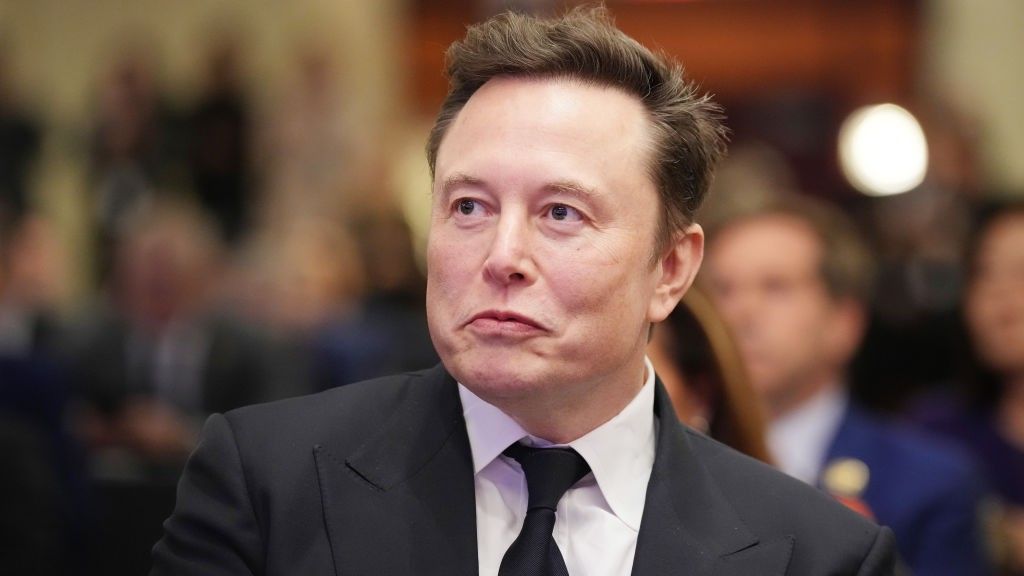
Photo: BBC
Tesla CEO Elon Musk has reignited the debate around the H-1B visa system and U.S. tariff policy, offering one of his most detailed critiques to date. Speaking on a long-form podcast with Indian entrepreneur Nikhil Kamath, Musk emphasized that the United States has benefitted enormously from skilled immigration — particularly from India — while warning that rising tariffs threaten to distort global markets and undermine competitiveness.
His remarks come at a time when immigration and trade policy have become central to U.S. political and economic discussions. With more than 70 percent of H-1B visas historically going to Indian nationals and tariff levels climbing to multi-decade highs, Musk’s comments add new weight to an already heated conversation.
Musk Praises Indian Talent but Criticizes Misuse of H-1B
Musk highlighted that the U.S. technology sector has long relied on Indian engineers, researchers and developers to maintain its global leadership. He described the country as a “major beneficiary of India’s extraordinary talent pool,” noting that some of Silicon Valley’s most important breakthroughs were made by H-1B holders.
However, he acknowledged a key problem. Some companies, he said, have exploited the H-1B program as a low-cost labor pipeline — hiring foreign workers “at a fraction of the cost of an American citizen.” Musk emphasized that this misuse does not represent the original intent of the program and that his own companies rely on it only to fill genuine skill shortages. In his words, “there simply aren’t enough highly talented people for certain positions.”
The discussion comes amid significant policy changes. The Trump administration sharply increased H-1B visa application fees to around $100,000 per petition in September, a move that disproportionately affects Indian applicants. While Trump later signaled a softer stance by saying the U.S. lacked “certain talents,” the higher fee structure remains in place and has created uncertainty for thousands of workers and employers.
Musk made his own position clear. “Shutting down or severely restricting the H-1B program would be very bad,” he said, warning that such a move would stifle innovation and slow economic growth.
Tariff Debate: Musk Says Free Trade Strengthens Markets
A major portion of the conversation centered around U.S. tariffs. Musk has previously supported balanced trade measures but revealed that he has repeatedly urged President Trump to avoid broad-based tariff hikes. He described these efforts as ultimately unsuccessful, stating plainly that “the president has made it clear he loves tariffs.”
Over the past few years, the U.S. has introduced sweeping “reciprocal” tariffs on dozens of countries, affecting hundreds of billions of dollars in goods. While several nations have negotiated lower levies, many industries — from automotive to electronics — continue to face increased costs.
Musk’s warning was straightforward. Tariffs, he said, “distort the markets.” He argued that if tariffs within different U.S. states would be considered disastrous, then applying them between countries is similarly harmful. He believes that freely operating markets incentivize efficiency, innovation and global cooperation, whereas tariff walls can slow growth and harm consumers.
His comments align with long-held concerns in the manufacturing and technology sectors, which have seen rising import costs over the last two years. Analysts estimate that tariff-related expenses have added billions of dollars to operating costs for companies relying on global supply chains.
Musk’s Vision for the Future: Work Optional and Money Redefined
The conversation also broadened into Musk’s long-term view of the economy. He predicted that within the next 20 years, advancements in automation and artificial intelligence could make traditional work optional for large sections of the population. He also suggested that the traditional concept of money could fade, with energy becoming the fundamental measure of value.
“Energy is the true currency,” he said, connecting the idea to his long-expressed view on cryptocurrencies. He explained that bitcoin’s underlying model is rooted in energy expenditure, making it resistant to political manipulation.
These comments come amid a sharp downturn in the cryptocurrency market. Bitcoin and other major digital assets have experienced significant sell-offs over the past two months as investor sentiment weakens.
Musk’s wide-ranging discussion blends policy critique with forward-looking predictions. His core message remains consistent. The United States thrives when it welcomes global talent and maintains open, competitive markets. Whether policymakers embrace that approach — particularly in election-charged times — remains to be seen.
.webp)
Popular articles



Subscribe to unlock premium content
How Finland Uses Ice Swimming Festivals to Boost Winter Tourism and Local Economies

The Boom of Luxury Personal Libraries Renting Rare Books to the Ultra-Wealthy

Why Bhutan’s Hand-Woven Textiles Are Gaining Global Collector Value

How Finland Uses Ice Swimming Festivals to Boost Winter Tourism and Local Economies
The Boom of Luxury Personal Libraries Renting Rare Books to the Ultra-Wealthy
How Finland Uses Ice Swimming Festivals to Boost Winter Tourism and Local Economies


