
Elon Musk Backs High-Skill Immigration and Warns Tariffs Are Warping Global Markets

Elon Musk Backs High-Skill Immigration and Warns Tariffs Are Warping Global Markets
By
Rachel Steinberg
Last updated:
December 3, 2025
First Published:
April 25, 2026

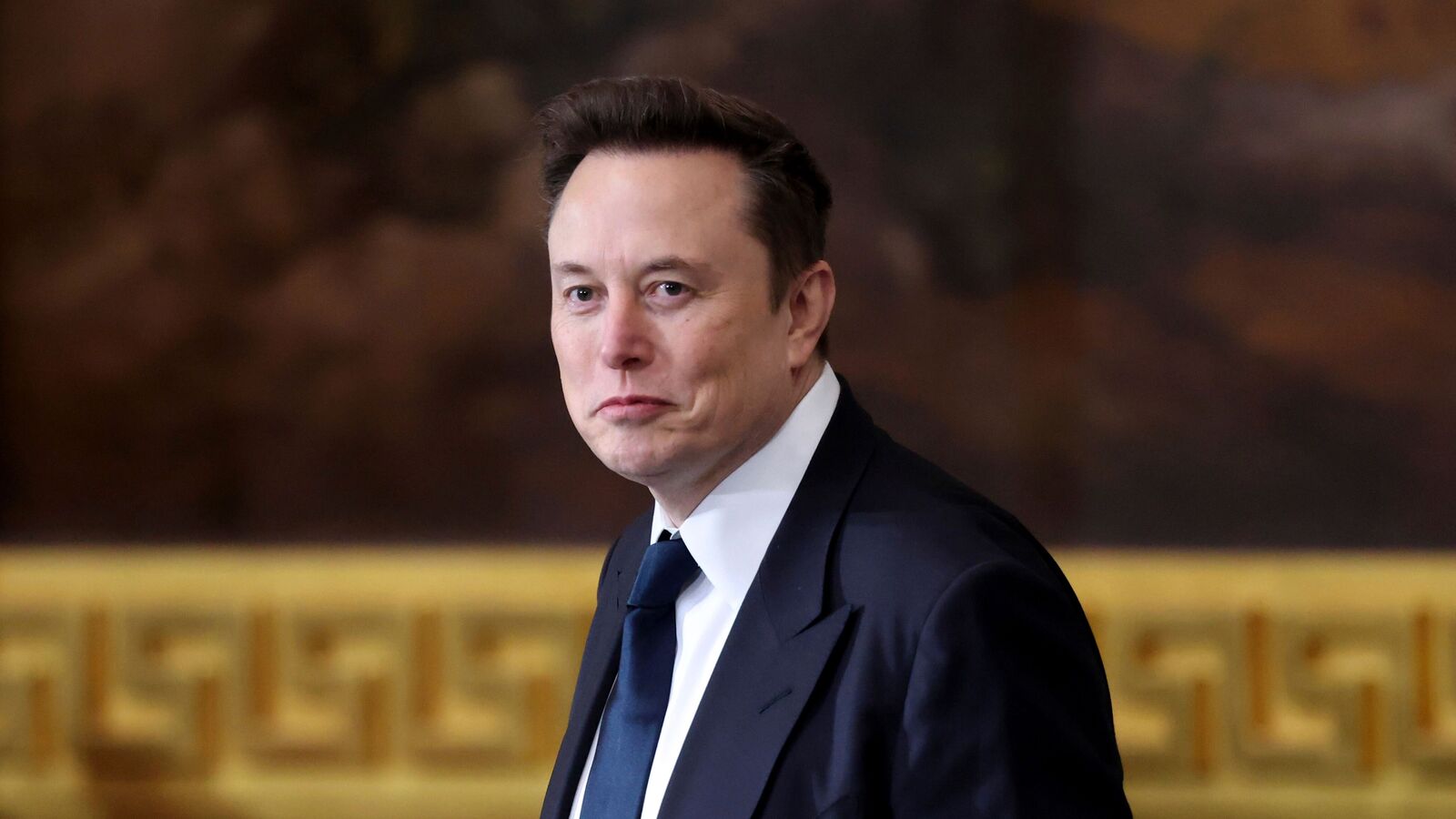
Photo: Mint
Musk Defends Skilled Immigration and Highlights India’s Contribution
Tesla CEO Elon Musk reiterated that the United States has long benefited from high-skilled workers from India, noting that Indian professionals make up more than seventy percent of all H-1B visa holders. Speaking on a podcast hosted by Indian entrepreneur Nikhil Kamath, Musk emphasized that his companies depend on global talent because the domestic labor pool lacks enough highly specialized workers to meet industry demand.
Musk acknowledged that some firms have abused the H-1B system by hiring foreign workers at significantly lower wages, but argued that the answer is to improve enforcement rather than dismantle the program. The U.S. administration recently raised H-1B visa fees to one hundred thousand dollars, a move that overwhelmingly impacts Indian applicants and has triggered concern from the tech sector.
Despite these developments, Trump has recently signaled a potential shift in tone, saying in a Fox News interview that the U.S. still needs foreign expertise in areas where homegrown talent is insufficient.
Sharp Critique of Tariffs and U.S. Protectionism
Musk also delivered a detailed critique of the U.S. tariff strategy currently being pushed by President Trump. He said he personally urged Trump not to adopt large-scale tariffs but was unable to change the president’s direction. According to Musk, tariffs create damaging distortions across supply chains, raise production costs and ultimately weaken competitiveness.
He argued that if tariffs within individual U.S. states would be considered economically destructive, then imposing barriers between countries makes even less sense. The administration has implemented “reciprocal” tariffs on dozens of nations, though some have negotiated reductions through new trade deals.
Musk’s comments come months after tensions between him and the administration over major spending legislation, though relations appear to have warmed in recent weeks. His remarks also follow the shuttering of the Department of Government Efficiency — a unit he helped establish — which was dissolved eight months before completing its mandate.
Future of Work, AI and Digital Currencies
The conversation with Kamath extended beyond trade and immigration. Musk forecast a dramatic transformation in the global economy within the next two decades, suggesting that rapid advances in automation and artificial intelligence could make traditional work optional for much of the population.
He also revisited his long-standing belief that energy is the foundational unit of economic value. In this context, he argued that bitcoin’s underlying logic is tied to energy expenditure and cannot be controlled by legislation. His comments come at a time when bitcoin and other major cryptocurrencies have dropped sharply following a two-month downturn in investor sentiment.
Musk’s views underscore a broader debate about how immigration, trade policy and technological change will shape U.S. competitiveness in the years ahead.
.webp)
Popular articles



Subscribe to unlock premium content
How Finland Uses Ice Swimming Festivals to Boost Winter Tourism and Local Economies

The Boom of Luxury Personal Libraries Renting Rare Books to the Ultra-Wealthy

Why Bhutan’s Hand-Woven Textiles Are Gaining Global Collector Value

How Finland Uses Ice Swimming Festivals to Boost Winter Tourism and Local Economies
The Boom of Luxury Personal Libraries Renting Rare Books to the Ultra-Wealthy
How Finland Uses Ice Swimming Festivals to Boost Winter Tourism and Local Economies


