
China Imposes Tariffs Up to 42.7% on EU Dairy in Trade Dispute

China Imposes Tariffs Up to 42.7% on EU Dairy in Trade Dispute
By
Alina Sinclair
Last updated:
December 30, 2025
First Published:
April 25, 2026

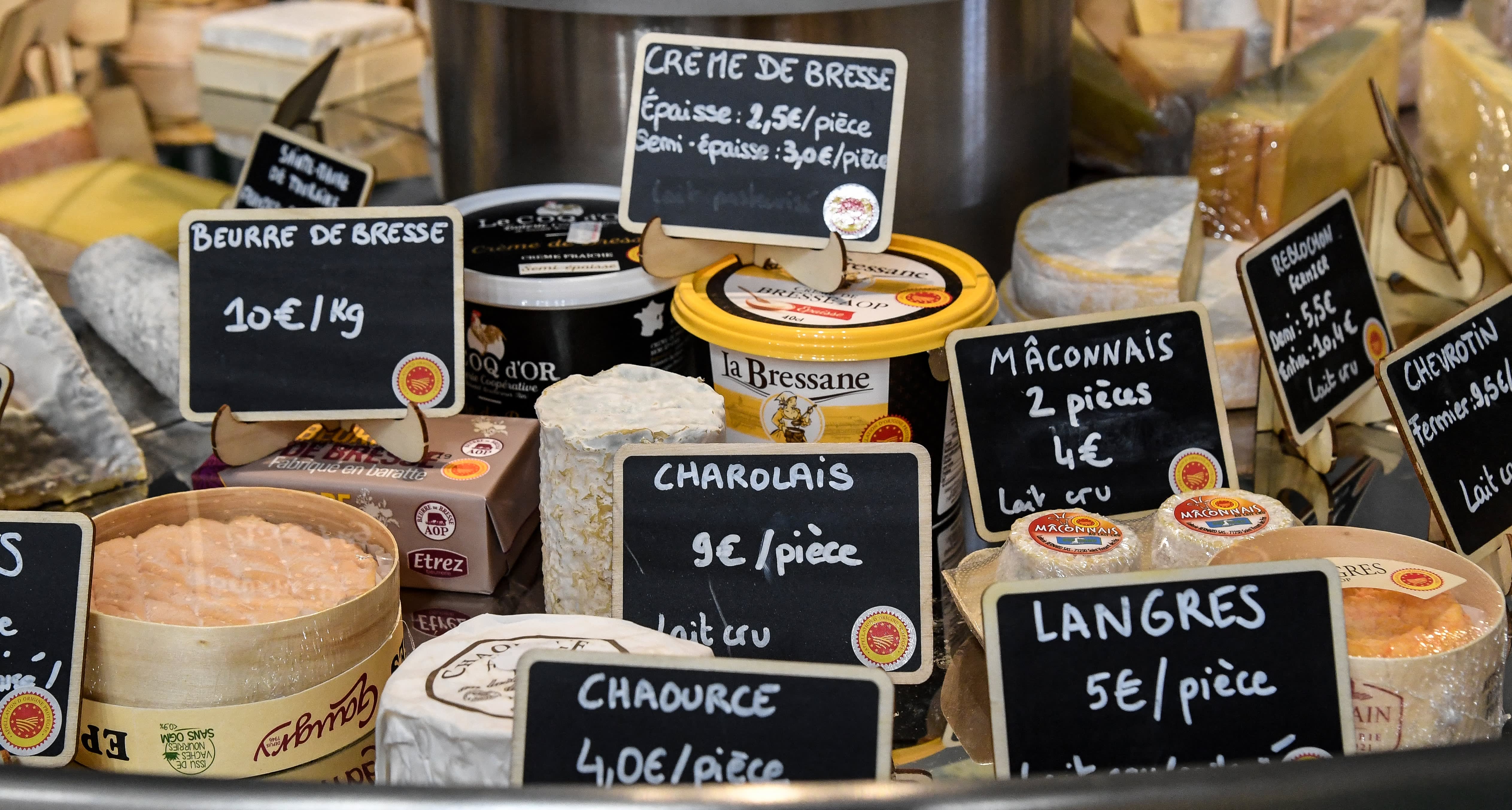
French cheeses displayed in a store in Paris.
Bertrand Guay | Afp | Getty Images
China escalates trade tensions with EU dairy tariffs
China announced on Monday that it will impose tariffs ranging from 21.9% to 42.7% on European Union dairy products, following an anti-subsidy investigation launched in August 2024. The Ministry of Commerce stated that EU subsidies had caused “substantial damage” to China’s domestic dairy sector, prompting the new duties, which will take effect on December 23.
Companies that cooperated with the investigation will face tariffs of 28.6%, while those that did not cooperate will be subject to the maximum rate of 42.7%. Products impacted include fresh and processed cheeses, blue cheeses such as Roquefort, as well as select types of milk and cream.
Broader context of EU-China trade tensions
This move represents a significant escalation in ongoing trade frictions. Relations between the two blocs were already strained after Brussels imposed tariffs of up to 45% on Chinese electric vehicles in October last year. Additionally, the EU has challenged China at the World Trade Organization over tariffs on EU brandy, describing Beijing’s provisional measures as inconsistent with WTO rules.
Despite these new dairy tariffs, China has recently reduced duties on EU pork imports, cutting rates to between 4.9% and 19.8% after previously imposing temporary anti-dumping tariffs of up to 62.4% in September.
EU response and implications
The European Commission criticized the new tariffs as “unjustified and unwarranted” and indicated it will formally engage with Chinese authorities to address the issue. While the full economic impact is yet to be determined, these measures are expected to affect major European dairy exporters, particularly those specializing in premium cheeses and processed dairy products.
Trade analysts suggest that this move could disrupt supply chains and lead to higher costs for European dairy brands seeking access to the Chinese market. The tariffs add pressure on Brussels to balance diplomatic negotiations with economic interests in one of the world’s largest consumer markets.
As tensions continue, both sides face a complex negotiation landscape, with implications for broader EU-China trade relations in agriculture and beyond.
.webp)
Popular articles



Subscribe to unlock premium content
How Finland Uses Ice Swimming Festivals to Boost Winter Tourism and Local Economies

The Boom of Luxury Personal Libraries Renting Rare Books to the Ultra-Wealthy

Why Bhutan’s Hand-Woven Textiles Are Gaining Global Collector Value

How Finland Uses Ice Swimming Festivals to Boost Winter Tourism and Local Economies
The Boom of Luxury Personal Libraries Renting Rare Books to the Ultra-Wealthy
How Finland Uses Ice Swimming Festivals to Boost Winter Tourism and Local Economies


