
China Imposes Steep New Tariffs on EU Dairy Imports After Subsidy Probe

China Imposes Steep New Tariffs on EU Dairy Imports After Subsidy Probe
By
Alina Sinclair
Last updated:
December 23, 2025
First Published:
April 25, 2026

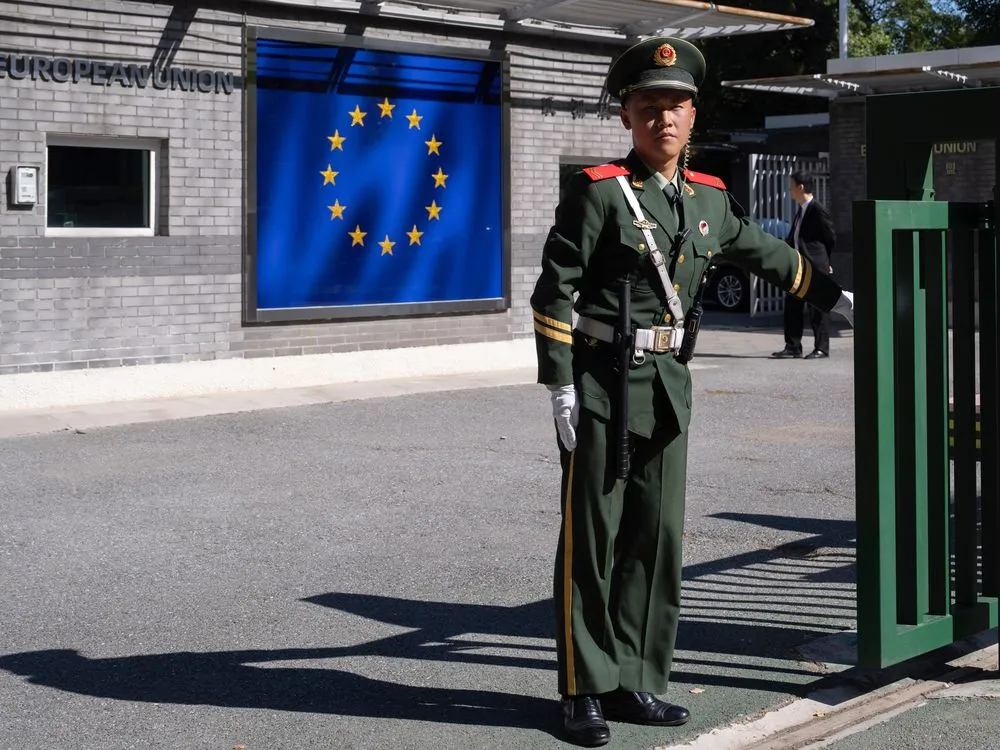
Photo: Financial Post
China has announced a fresh round of tariffs on dairy products imported from the European Union, imposing duties as high as 42.7 percent after concluding an anti subsidy investigation that Beijing says found significant harm to its domestic dairy industry.
The new measures, unveiled by China’s Ministry of Commerce, will come into force on Dec. 23 and apply to a wide range of European dairy exports, including well known specialty cheeses.
Tariff Rates and Scope
According to the Ministry of Commerce, the tariffs will range between 21.9 percent and 42.7 percent, depending on the level of subsidies identified and whether exporting companies cooperated with the investigation.
EU dairy producers that cooperated with Chinese authorities during the probe will face tariffs of around 28.6 percent, while those deemed non cooperative will be subject to the highest rate of 42.7 percent. The duties are calculated based on ad valorem subsidy rates determined by China’s Customs Tariff Commission.
Products Hit by the Measures
The tariffs will affect a broad basket of dairy goods, including fresh cheeses, processed cheeses, blue cheeses, and selected milk and cream products. Among the most prominent items impacted is Roquefort blue cheese, one of France’s best known exports, traditionally aged in the limestone caves of southern France.
Industry analysts note that premium European cheeses occupy a niche but fast growing segment of China’s consumer market, particularly in major urban centers, making the tariffs a meaningful blow to exporters targeting higher income Chinese consumers.
China’s Rationale Behind the Move
China said the decision follows an anti subsidy investigation launched in August 2024, which concluded that subsidies provided by the European Union to its dairy sector caused “substantial damage” to China’s domestic producers.
Beijing has increasingly used trade remedy tools such as anti dumping and anti subsidy probes to protect local industries amid slowing domestic demand and heightened global competition.
China is one of the world’s largest dairy consumers, but its domestic producers have struggled with rising costs, oversupply, and fluctuating demand in recent years. Officials argue that subsidized imports have intensified pressure on local farmers and processors.
EU Pushback and WTO Angle
The European Union swiftly criticized the move. An EU spokesperson described the tariffs as unjustified and unwarranted, adding that the European Commission would formally engage with Chinese authorities over the decision.
Trade tensions between the two sides have already been simmering. In November, the EU challenged China’s tariffs on European brandy at the World Trade Organization, arguing that Beijing’s provisional measures violated WTO rules.
The dairy tariffs add another layer of friction to an already strained trade relationship between the two major economic blocs.
Part of a Broader Trade Dispute
The latest action follows Brussels’ decision last October to impose tariffs of up to 45 percent on electric vehicles imported from China, citing unfair subsidies. That move marked a turning point in EU China trade relations and prompted expectations of retaliatory measures from Beijing.
China has since taken several trade actions targeting European agricultural exports. Last week, it sharply reduced duties on pork and pig by products from the EU, setting new tariff rates between 4.9 percent and 19.8 percent. Those changes followed temporary anti dumping tariffs of up to 62.4 percent imposed in September in the form of cash deposits on European pork imports.
Economic and Industry Implications
For European dairy exporters, the new tariffs could significantly reduce competitiveness in the Chinese market, particularly for premium and specialty products already priced at the higher end. Smaller producers may struggle to absorb the added costs or redirect shipments to alternative markets.
For China, the move signals a continued willingness to use trade policy to shield domestic industries while responding to pressure from foreign tariff actions. Economists warn, however, that prolonged tit for tat measures could disrupt supply chains and weigh on consumer prices.
What Comes Next
With both sides signaling firm positions, analysts expect further negotiations and possible legal challenges at the WTO. Whether the dispute escalates or stabilizes will likely depend on progress in broader EU China trade talks, particularly around industrial subsidies and market access.
For now, the new dairy tariffs underscore a clear message from Beijing that agriculture and food products are firmly in play as leverage in the evolving trade standoff with Europe.
.webp)
Popular articles



Subscribe to unlock premium content
How Finland Uses Ice Swimming Festivals to Boost Winter Tourism and Local Economies

The Boom of Luxury Personal Libraries Renting Rare Books to the Ultra-Wealthy

Why Bhutan’s Hand-Woven Textiles Are Gaining Global Collector Value

How Finland Uses Ice Swimming Festivals to Boost Winter Tourism and Local Economies
The Boom of Luxury Personal Libraries Renting Rare Books to the Ultra-Wealthy
How Finland Uses Ice Swimming Festivals to Boost Winter Tourism and Local Economies


