BTS Effect Could Add Billions to South Korea’s Economy for Decades

BTS Effect Could Add Billions to South Korea’s Economy for Decades
By
Alina Sinclair
Last updated:
June 12, 2026
First Published:
June 12, 2026

Getty Images
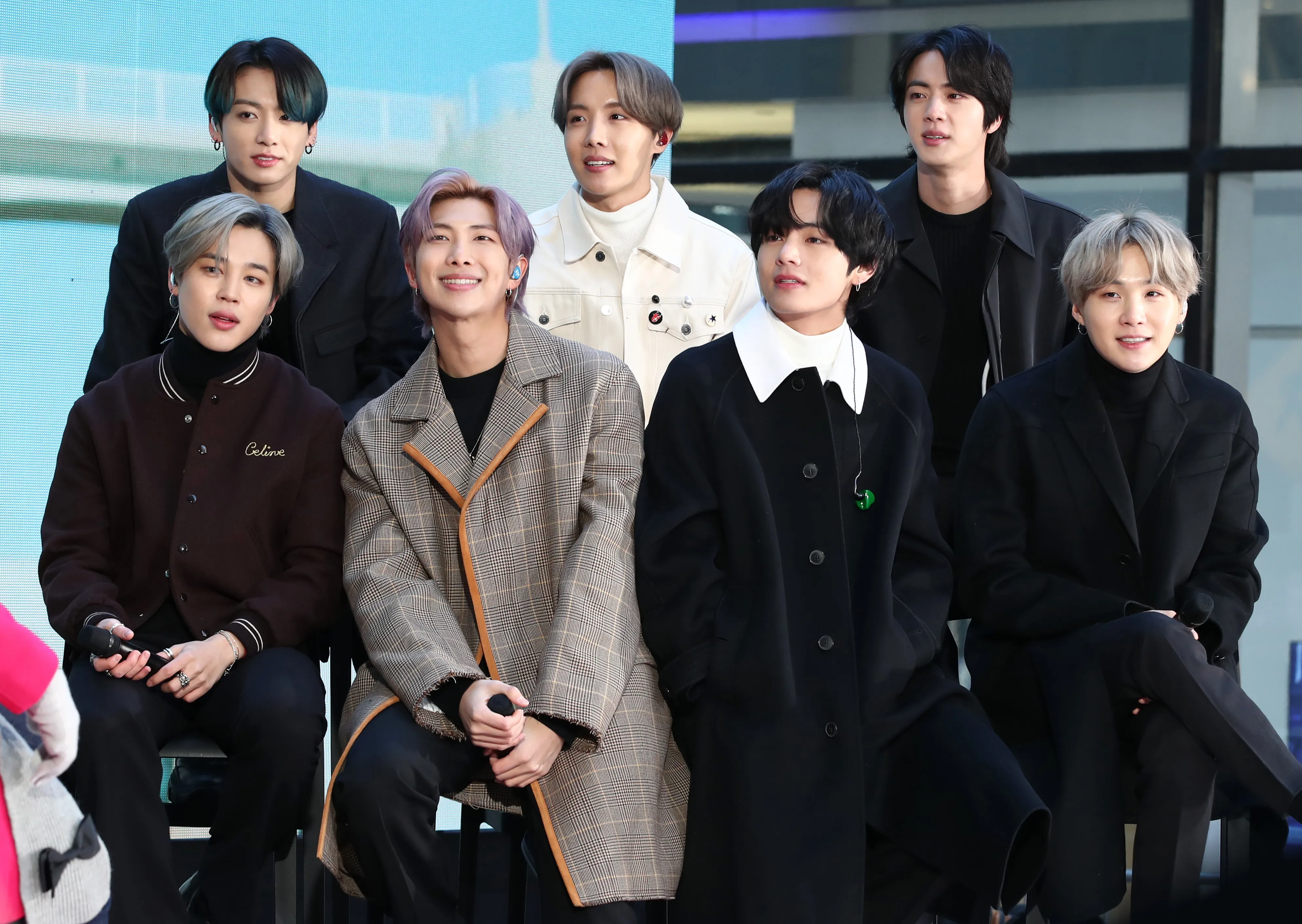
The return of BTS to South Korea is drawing tens of thousands of international fans to Busan, highlighting how one of the world's most influential music groups has evolved into a significant economic driver. As the seven-member band continues its highly anticipated Arirang world tour, economists, tourism experts, and market analysts are increasingly examining the broader financial impact of what many now call "Bangtan-nomics."
From concert tickets and merchandise to hotels, restaurants, beauty products, and tourism spending, BTS has become more than a music act. The group has transformed into a global cultural brand capable of generating billions of dollars in economic activity and strengthening South Korea's position as a leading exporter of culture.
BTS Fans Bring More Than Enthusiasm to Busan
Thousands of BTS fans, known collectively as ARMY, are expected to arrive in Busan for the group's latest concert stop. Alongside their excitement and support, they are bringing substantial spending power that benefits a wide range of industries.
Hotels, transportation providers, restaurants, retailers, entertainment venues, and local tourism businesses are all expected to benefit from the influx of visitors. Similar patterns have been observed across major concert destinations worldwide, where large-scale music tours generate significant economic activity beyond ticket sales alone.
The phenomenon mirrors the economic impact seen during Taylor Swift's record-breaking Eras Tour, which boosted local economies across multiple countries through increased tourism and consumer spending.
For South Korea, BTS represents an even broader opportunity because the group serves as a gateway to Korean culture, fashion, food, beauty products, language learning, and travel experiences.
Understanding the Rise of "Bangtan-nomics"
South Korean financial analysts have coined the term "Bangtan-nomics" to describe the economic ecosystem created by BTS and their global fan community.
According to market analysts, the spending journey often begins with digital engagement. Fans first consume music through streaming platforms before purchasing albums, merchandise, and concert tickets. Over time, many become interested in Korean beauty products, fashion brands, food, television dramas, and travel experiences.
This progression creates a powerful economic pipeline that extends far beyond the entertainment industry.
The influence is particularly significant because BTS maintains one of the youngest and most globally diverse fan bases in the world. Industry estimates suggest that roughly 84% of BTS fans are teenagers or young adults. As these fans enter higher-income stages of life, their spending capacity is expected to grow substantially.
Analysts believe this could translate into increased tourism, stronger demand for Korean products, and sustained international interest in South Korean culture over the coming decades.
How Much Could BTS Contribute to South Korea's Economy?
Some forecasts suggest the long-term economic impact could be substantial.
Financial analysts estimate that spending linked to BTS and their global fan base could contribute as much as 0.35 percentage points annually to South Korea's GDP by 2040.
Using South Korea's recent economic output as a benchmark, that level of contribution could represent more than $6.5 billion in annual economic activity.
While such projections depend on multiple variables, they highlight the growing recognition that cultural exports can become major economic assets.
South Korea has already demonstrated how entertainment can influence national growth through the success of K-pop, Korean dramas, films, gaming, cosmetics, and consumer brands. BTS sits at the center of this expanding cultural economy.
Tourism Data Suggests Strong Economic Benefits
Early evidence indicates that BTS-related tourism generates meaningful spending within South Korea.
Research examining international visitors attending BTS concerts found that these travelers tend to stay longer and spend more than average tourists. Their expenditures often extend beyond concert-related purchases to include accommodation, transportation, shopping, dining, and sightseeing activities.
Academic studies have also shown exceptionally strong visitor loyalty among BTS fans. Surveys conducted among international concert attendees revealed that a large majority planned to return to South Korea within a few years, with many expressing intentions to make multiple future visits.
This suggests that BTS concerts may function not only as short-term tourism events but also as long-term tourism marketing tools that encourage repeat travel.
The effect becomes particularly visible during major concerts. In Busan, accommodation demand surged dramatically ahead of BTS's performance schedule, prompting local authorities to monitor pricing practices and expand lodging options to accommodate visitors.
The Wider Impact of the Korean Wave
The economic influence of BTS cannot be viewed in isolation.
The group forms part of the broader Hallyu, or Korean Wave, which encompasses K-pop, television dramas, films, fashion, beauty products, gaming, and cuisine. Together, these industries have helped transform South Korea into one of the world's most successful cultural exporters.
Global hits such as Korean dramas and internationally acclaimed films have introduced millions of consumers to Korean culture. BTS has amplified this momentum by reaching audiences across North America, Europe, Latin America, the Middle East, and Southeast Asia.
As international interest grows, consumers often develop stronger connections with Korean products and experiences, creating lasting commercial opportunities for businesses across multiple sectors.
Challenges That Could Affect Future Growth
Despite the optimism surrounding Bangtan-nomics, experts caution against assuming that current trends will continue indefinitely.
The global entertainment industry remains highly competitive, and cultural influence can shift rapidly. Fan behavior is often driven by emotional connections, making demand less predictable than traditional economic indicators.
Geopolitical tensions also represent a potential risk. South Korea's entertainment industry has previously faced restrictions in important overseas markets due to diplomatic disputes, demonstrating how external political factors can affect cultural exports.
Additionally, future economic conditions, currency fluctuations, changes in consumer preferences, and evolving digital platforms could influence the spending habits of international fans.
For these reasons, economists emphasize that long-term forecasts should account for uncertainty rather than assume a smooth growth trajectory.
Why BTS Remains a Strategic Asset for South Korea
Even with potential challenges, many analysts agree that BTS has already established itself as one of South Korea's most valuable cultural assets.
The group's influence extends far beyond music sales, contributing to tourism growth, international brand recognition, consumer exports, and the country's soft power. Their success has helped strengthen South Korea's image on the global stage and introduced millions of people to Korean culture.
Rather than acting as a standalone phenomenon, BTS operates within a larger ecosystem of Korean entertainment, media, beauty, fashion, and tourism industries. This interconnected network amplifies the group's economic impact and creates opportunities that can continue long after individual concert tours conclude.
The arrival of thousands of BTS fans in Busan offers another reminder that modern cultural influence can translate into significant economic value. Through tourism, consumer spending, and global engagement with Korean culture, BTS has become a powerful contributor to South Korea's economic story.
While forecasting the exact size of that contribution remains difficult, the broader trend is clear. BTS is not only filling stadiums around the world but also helping fuel one of the most successful cultural economies of the 21st century. As the Korean Wave continues to expand globally, the economic ripple effects generated by the group's worldwide fan base may continue benefiting South Korea for many years to come.
.webp)
Popular articles



Subscribe to unlock premium content
Iceland’s Adventure Lodges Are Redefining Remote Work

Inside Japan’s Luxury Ryokans That Blend Tradition with Modern Experiences

Greece’s Tourism-Driven Economy: Lessons From Financial Crises

Iceland’s Adventure Lodges Are Redefining Remote Work
Inside Japan’s Luxury Ryokans That Blend Tradition with Modern Experiences
Iceland’s Adventure Lodges Are Redefining Remote Work