
Bessent Predicts Trump Team Can Reinstate Tariffs Regardless of Supreme Court Ruling

Bessent Predicts Trump Team Can Reinstate Tariffs Regardless of Supreme Court Ruling
By
Rachel Steinberg
Last updated:
December 4, 2025
First Published:
April 25, 2026

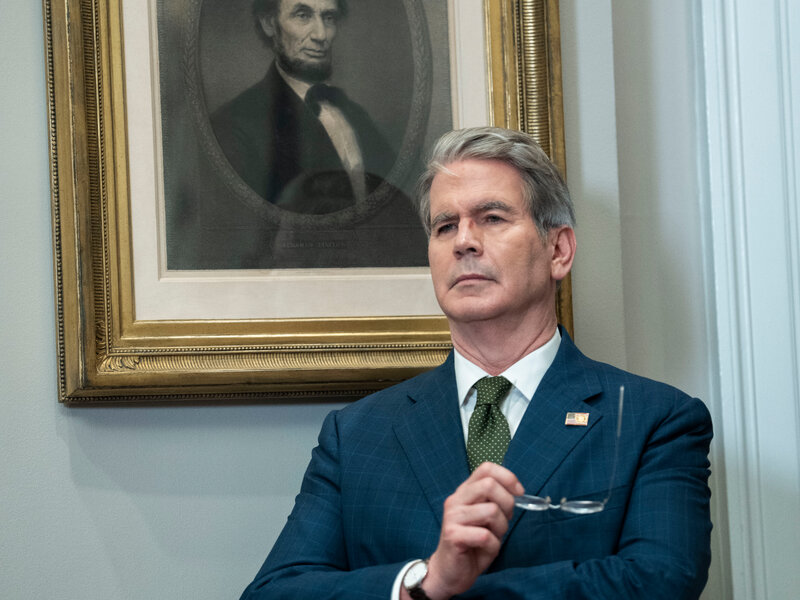
Treasury Secretary Scott Bessent said the Trump administration will maintain its ability to impose sweeping tariffs even if the Supreme Court strikes down the current legal strategy being reviewed. Speaking at The New York Times DealBook Summit in New York, he emphasized that multiple decades-old trade authorities give the president significant flexibility to rebuild the tariff system from the ground up.
Bessent reiterated a point he has made in recent weeks: the White House has several alternative legal pathways to recreate the exact tariff framework currently being challenged. His comments come at a critical time as U.S. trade tensions remain high, particularly with China, and as global markets monitor the Supreme Court case for potential disruptions in America’s trade posture.
Legal Pathways for Reestablishing Tariffs
During the onstage interview with Andrew Ross Sorkin, Bessent pointed to three specific sections of the 1962 Trade Expansion Act — Sections 301, 232, and 122 — as tools the administration can use to reinstate tariffs without interruption.
He explained that even in a scenario where the Supreme Court limits or rejects the administration’s use of the International Emergency Economic Powers Act (IEEPA), which is currently under scrutiny, other trade laws remain intact and fully actionable.
- Section 301 allows tariffs on countries engaging in unfair trade practices
- Section 232 gives the president authority to impose tariffs for national security reasons
- Section 122 grants temporary authority for tariff adjustments for up to 150 days
When asked if these tools could be used to permanently replicate the administration’s existing tariff structure, Bessent responded decisively: “Permanently.”
Additional trade experts outside the event have echoed this sentiment, noting that Sections 301 and 232 have historically supported long-term tariff frameworks. For instance, Section 232 was used extensively during the 2018 steel and aluminum tariffs, which reshaped supply chains and triggered responses from over 40 countries.
Tariffs as a Central Element of Trump’s Trade Strategy
Bessent reaffirmed that tariffs remain one of President Donald Trump’s most effective negotiation levers. Over the past several years, the administration has imposed duties on hundreds of billions of dollars in goods, affecting nearly every major trading partner. At one point, tariffs covered more than 95 percent of Chinese imports to the United States.
While some of the more aggressive proposals were scaled back, Bessent highlighted what he views as significant wins. He pointed specifically to China, saying the U.S.’s firm tariff posture, including new duties on chemicals tied to fentanyl production, has pushed Beijing to take action. According to him, Chinese authorities are now making their “first meaningful move” in curbing fentanyl-related exports, adding that they have launched “a robust effort” to curb the drug’s flow into the U.S.
The Treasury secretary added that he remains confident about the administration’s chances in the Supreme Court case, although he emphasized that trade strategy will continue uninterrupted regardless of the ruling.
Federal Reserve Leadership Question Deflected
Later in the interview, Bessent avoided directly addressing the administration’s ongoing search for the next Federal Reserve chair. He noted that while the position is highly influential, the chair does not operate alone. With the Federal Open Market Committee consisting of multiple voting members — including regional bank leaders — interest rates are not determined by a single voice.
Current reporting suggests National Economic Council Director Kevin Hassett is a leading contender for the role. Bessent previously told CNBC he expected the president to make the decision by Christmas, though Trump has since suggested the announcement may not occur until early next year.
Bessent’s remarks underscore the administration’s confidence in its long-term tariff strategy, regardless of ongoing legal battles. The message is clear: even if the Supreme Court narrows the use of IEEPA, the White House has multiple powerful trade statutes at its disposal. With U.S.–China tensions still significant and tariffs remaining central to Trump’s economic strategy, the administration appears committed to maintaining strong leverage in international trade negotiations for the foreseeable future.
.webp)
Popular articles



Subscribe to unlock premium content
How Finland Uses Ice Swimming Festivals to Boost Winter Tourism and Local Economies

The Boom of Luxury Personal Libraries Renting Rare Books to the Ultra-Wealthy

Why Bhutan’s Hand-Woven Textiles Are Gaining Global Collector Value

How Finland Uses Ice Swimming Festivals to Boost Winter Tourism and Local Economies
The Boom of Luxury Personal Libraries Renting Rare Books to the Ultra-Wealthy
How Finland Uses Ice Swimming Festivals to Boost Winter Tourism and Local Economies


