World’s Top Central Bank Leaders Rally Behind Fed Chair Jerome Powell

World’s Top Central Bank Leaders Rally Behind Fed Chair Jerome Powell
By
Junia Wells
Last updated:
January 14, 2026
First Published:
January 14, 2026

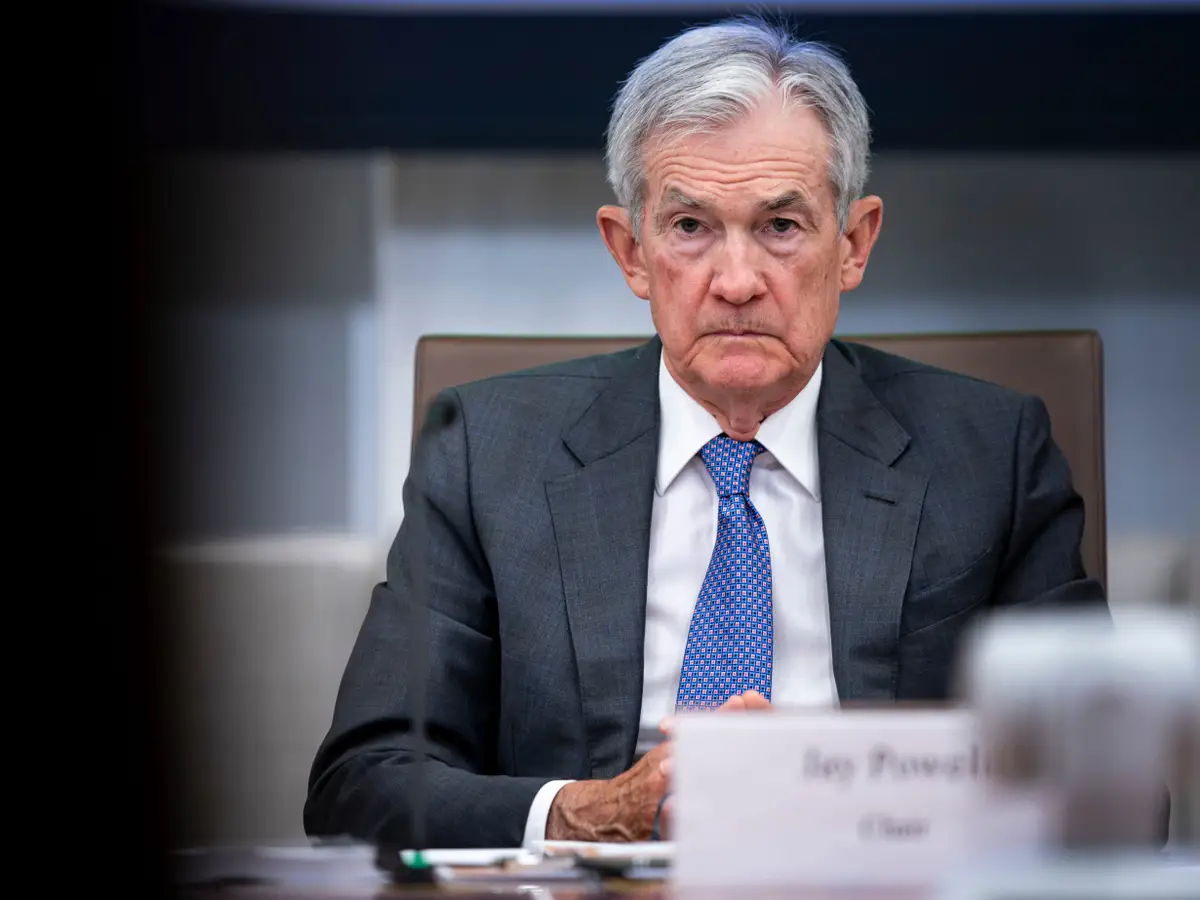
Photo: Business Insider
Global central bankers have closed ranks in defense of U.S. Federal Reserve Chair Jerome Powell, issuing a rare joint statement that underscores growing concern over political interference in monetary policy following the launch of a criminal investigation into the Fed chief.
The statement, released Tuesday, was signed by some of the world’s most influential monetary authorities, including European Central Bank President Christine Lagarde and Bank of England Governor Andrew Bailey. It marks an unusually strong show of unity among central banks at a time of heightened scrutiny of the Federal Reserve’s independence.
A unified message on central bank independence
In their joint declaration, central bank leaders emphasized that Powell has served with integrity and professionalism, remaining firmly focused on the Federal Reserve’s dual mandate of price stability and maximum employment.
They stressed that the independence of central banks is fundamental to economic and financial stability, not just in the United States but globally. According to the statement, insulating monetary policy from political pressure is essential to protecting citizens from inflation, financial shocks, and long-term economic damage.
The group described Powell as a “respected colleague” who is held in the highest regard by his international peers, reinforcing the idea that confidence in the Fed extends well beyond U.S. borders.
Broad international backing
Beyond the ECB and the Bank of England, the statement was signed by central bank leaders from Brazil, Switzerland, Sweden, Denmark, South Korea, Australia, and Canada. Together, these institutions represent economies accounting for well over half of global GDP, highlighting the international stakes tied to the credibility of the Federal Reserve.
Analysts note that such collective intervention is rare and typically reserved for moments when the global monetary system itself is perceived to be under threat.
Investigation adds to political pressure
The show of support follows Powell’s confirmation on Sunday that federal prosecutors have opened a criminal investigation related to a $2.5 billion renovation of the Federal Reserve’s headquarters in Washington, D.C., as well as testimony he provided to Congress regarding the project.
Powell has suggested that the investigation is politically motivated, linking it directly to mounting pressure from President Donald Trump, who has repeatedly criticized the Fed for keeping interest rates higher than he would prefer.
In a video statement released by the Federal Reserve, Powell said the probe reflects frustration over the central bank’s refusal to cut rates rapidly and aggressively in response to political demands.
Warning over the future of monetary policy
Powell framed the investigation as a defining moment for the Federal Reserve and for U.S. economic governance more broadly. He warned that the outcome could determine whether the central bank continues to set interest rates based on economic data and long-term stability, or whether policy decisions become subject to political intimidation.
Economists say the stakes extend far beyond Powell’s tenure. Any erosion of Fed independence could unsettle financial markets, weaken the dollar’s credibility, and raise borrowing costs globally, particularly at a time when inflation risks and geopolitical tensions remain elevated.
Global implications for markets and stability
Central bank independence has long been viewed as a cornerstone of modern economic management. Historical evidence shows that countries where politicians directly control monetary policy tend to experience higher inflation, more volatile growth, and weaker investor confidence.
By publicly backing Powell, global central bankers are signaling that the credibility of the Federal Reserve is a shared international interest. For markets, the message is clear: political pressure on the Fed is not just a domestic issue, but a potential threat to the stability of the global financial system.

Popular articles


Subscribe to unlock premium content
Dinner Reinvented in Los Angeles

The Rise of Celebrity-Curated Designer Board Games

The Rise of Designer Car Interiors in Luxury SUVs

Dinner Reinvented in Los Angeles
The Rise of Celebrity-Curated Designer Board Games
Dinner Reinvented in Los Angeles