Iran’s Strategic Partnerships Face a Reality Check as Russia and China Hold Back

Iran’s Strategic Partnerships Face a Reality Check as Russia and China Hold Back
By
Rachel Steinberg
Last updated:
March 3, 2026
First Published:
March 3, 2026


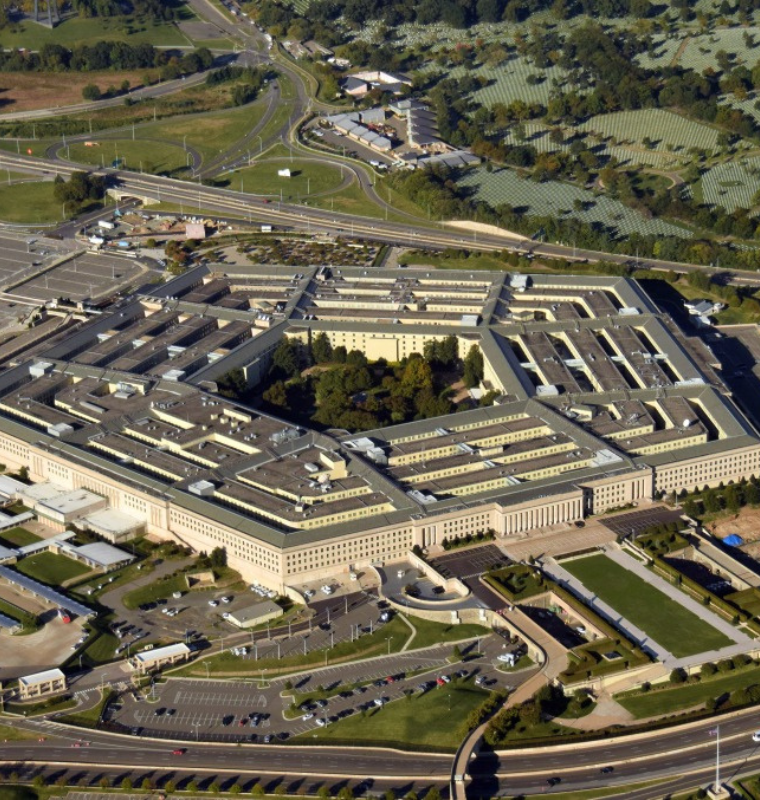
Photo: The Washington Institute
As U.S. and Israeli airstrikes against Iran move into their third consecutive day, Tehran’s so-called strategic alliances with Russia and China are being tested in real time. Both powers have issued forceful condemnations of the attacks. What they have not offered is tangible assistance.
The gap between rhetoric and action highlights a difficult truth for Iran: diplomatic alignment does not equal a military alliance. And in moments of acute crisis, Moscow and Beijing tend to prioritize their own national interests above all else.
Strong words, limited commitments
Officials in both capitals reacted swiftly after the strikes that reportedly killed Iran’s Supreme Leader, Ayatollah Ali Khamenei.
China’s foreign minister publicly denounced the attacks as violations of sovereignty and international law. Russia’s foreign ministry described them as destabilizing and contrary to the UN Charter. Both countries called for an immediate ceasefire and a return to negotiations.
But neither pledged military support, emergency economic aid or coordinated retaliation.
That distinction matters. Iran has spent years cultivating closer ties with both nations, participating in joint military drills and deepening trade cooperation. Yet neither relationship includes a formal mutual defense pact comparable to NATO’s Article 5 obligations.
For Tehran, the absence of explicit backing underscores the limits of these partnerships.
China’s strategic calculus
Beijing’s relationship with Tehran has grown steadily over the past decade. China remains Iran’s largest oil customer, purchasing significant volumes of discounted crude despite U.S. sanctions. The two countries signed a 25-year cooperation framework in 2021 covering infrastructure, energy and trade.
Yet China’s approach to foreign policy remains highly transactional.
The leadership under Xi Jinping has consistently prioritized economic stability and predictable ties with major trading partners — including the United States. Bilateral trade between China and the U.S. still exceeds $600 billion annually, dwarfing China’s commercial exposure to Iran.
Preserving that economic relationship is central to Beijing’s long-term strategy, particularly as China navigates slowing domestic growth, property sector strains and demographic headwinds.
China has followed a similar script in previous crises. It condemned U.S. interventions in Venezuela and past strikes in the Middle East but refrained from direct involvement. Even before the 2015 nuclear agreement, Beijing supported certain U.N. sanctions on Iran. Investment commitments under its long-term cooperation plan have progressed cautiously, not aggressively.
The message is consistent: China will criticize actions it opposes, but it rarely escalates militarily unless core interests — such as Taiwan or South China Sea claims — are directly implicated.
Russia’s constraints and calculations
Moscow’s position is equally complex.
Iran has become an important military and logistical partner for Russia since the invasion of Ukraine began in 2022. Iranian drones and missile systems have reportedly played a role in Russia’s battlefield operations. Trade between the two countries has expanded, and energy cooperation has deepened.
However, Russia’s own war effort has significantly constrained its global reach. Years of sanctions and sustained combat have strained both military capacity and economic resilience.
While the Russian foreign ministry criticized the U.S.-led strikes, President Vladimir Putin has so far avoided a detailed public response. That silence reflects a broader pattern: Russia often adopts a “wait-and-see” posture in conflicts that do not immediately threaten its strategic assets.
The Kremlin also has competing priorities. A spike in oil prices benefits Russia financially. Energy exports remain a core funding source for its war effort, and higher global crude benchmarks increase revenue flows, particularly through continued sales to China and India.
Indeed, oil prices jumped more than 8% during initial trading following the escalation, reflecting fears of supply disruptions. For Russia, that price surge is economically advantageous, even if geopolitical instability expands.
At the same time, Moscow risks losing influence in the Middle East. The collapse of Bashar al-Assad’s regime in Syria in late 2024 already weakened Russia’s regional foothold. A destabilized or transformed Iran would represent another strategic setback. Yet limited military bandwidth makes intervention unlikely.
No formal alliance, no automatic rescue
The broader lesson for Iran is structural.
Neither Russia nor China has a binding defense treaty with Tehran. Their cooperation frameworks are strategic partnerships — flexible arrangements built around mutual interests, not automatic military commitments.
When protests erupted inside Iran in late 2024, Moscow did not intervene. Beijing likewise refrained from providing meaningful security assistance. Historical precedent suggests both capitals will intervene only if direct strategic interests are endangered.
For China, that means energy supply stability and protection of maritime trade routes. For Russia, it means preserving energy leverage and counterbalancing Western influence — but without overextending itself.
Oil, OPEC+ and global ripple effects
Energy markets are central to the equation.
Several members of the OPEC+ alliance, including Russia, have already signaled plans to increase output by more than 200,000 barrels per day beginning in April. The move appears designed to calm markets and offset potential supply disruptions from the Gulf.
Still, prolonged instability could push Brent crude well above recent averages, adding pressure to global inflation and shipping costs. Insurance premiums for tankers operating in high-risk zones have historically jumped by double-digit percentages during periods of conflict.
Those secondary effects — not just lost barrels — could reshape the economic fallout.
Will airstrikes alone change the regime?
Some policymakers have suggested that sustained air campaigns could weaken Tehran’s leadership structure. However, historical precedent casts doubt on that outcome.
Air power alone rarely produces regime change. From Serbia in 1999 to Libya in 2011, outcomes have depended on a combination of ground forces, internal opposition dynamics and international coordination. Even prolonged bombing campaigns have not consistently toppled entrenched governments.
Military analysts note that targeting weapons systems differs from dismantling political control mechanisms. Strikes focused on missile sites and defense infrastructure may degrade military capabilities without immediately altering domestic power structures.
The trajectory remains uncertain.
The bottom line
Iran’s diplomatic ties with Russia and China are significant — but they are not alliances in the traditional military sense. Both powers have issued strong verbal condemnations of U.S. and Israeli actions. Neither has signaled a willingness to escalate on Iran’s behalf.
Beijing appears focused on preserving stable ties with Washington and protecting its economic priorities. Moscow is balancing regional influence against military overstretch and the financial benefits of higher oil prices.
For Tehran, that leaves a stark reality: strategic partnerships offer diplomatic cover, but in moments of existential pressure, national interest prevails.
.webp)
Popular articles



Subscribe to unlock premium content
Electric Dreams on Demand

Tokyo’s Futuristic Gardens of Prestige

Elevating Perspectives with Drone Photography
Electric Dreams on Demand
Tokyo’s Futuristic Gardens of Prestige
Electric Dreams on Demand