World Economic Forum Chief Steps Down Amid Renewed Scrutiny Over Past Epstein Contacts

World Economic Forum Chief Steps Down Amid Renewed Scrutiny Over Past Epstein Contacts
By
Rachel Steinberg
Last updated:
February 27, 2026
First Published:
February 27, 2026

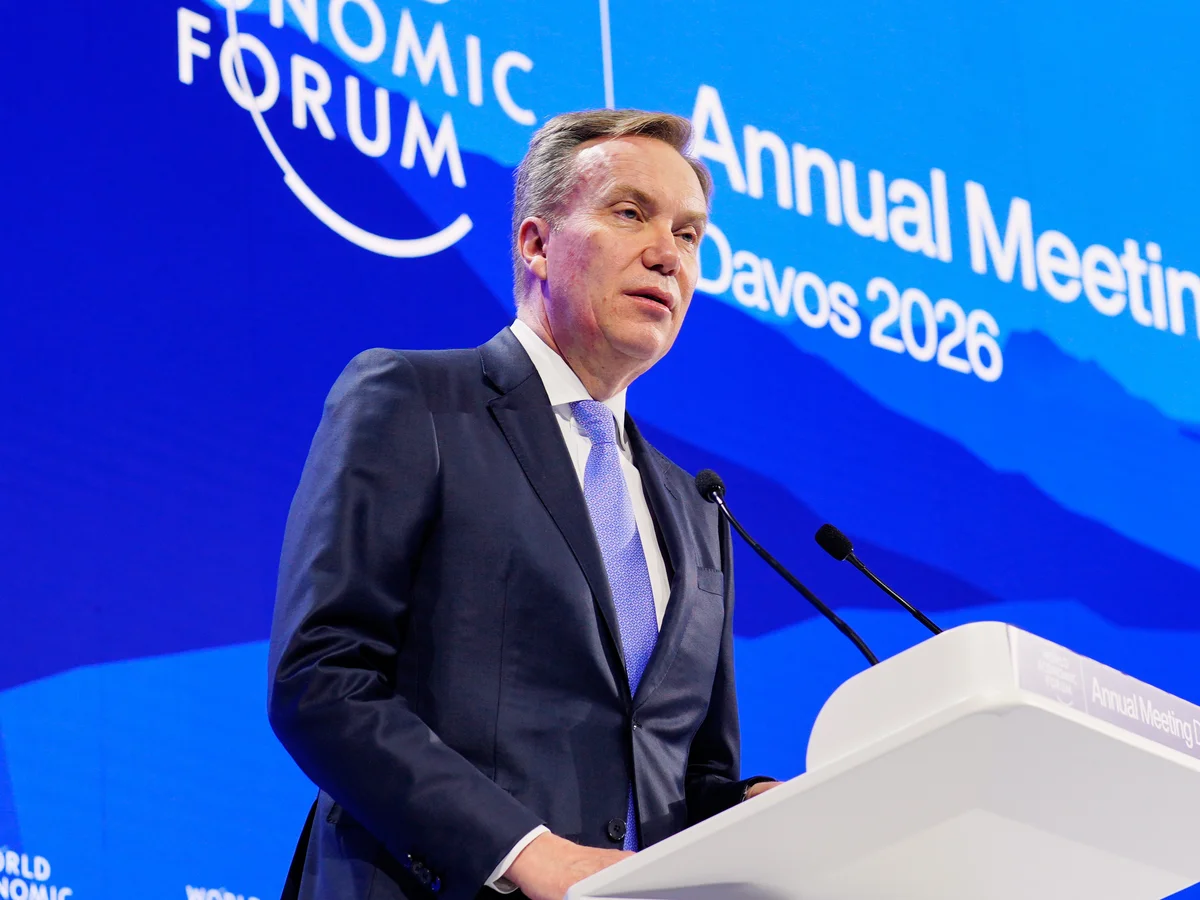
Photo: The Guardian
Sudden Leadership Change at a Global Policy Hub
The World Economic Forum announced a major leadership shift after its longtime president and CEO, Børge Brende, confirmed he would step down following heightened scrutiny of his past interactions with Jeffrey Epstein. The move comes weeks after the organization initiated an independent review into the relationship, aiming to address governance concerns and maintain institutional credibility.
Brende, who had led the Geneva-based forum since 2017, said the decision was made to ensure the organization could continue its work without distraction as it prepares for upcoming global initiatives and policy gatherings.
Details Behind the Review
According to disclosures referenced during the review, Brende attended three business dinners with Epstein and exchanged occasional communications, including emails and messages, years ago. The external investigation, conducted by independent legal counsel, concluded there were no additional issues beyond those previously reported.
While the findings did not allege wrongdoing, the scrutiny intensified public and stakeholder attention, prompting the leadership change as part of broader reputational risk management.
A Tenure Marked by Expansion and Global Influence
During his roughly eight-and-a-half-year tenure, Brende oversaw a period of significant growth for the forum, expanding its initiatives on climate policy, digital governance, and public-private collaboration. Attendance at the annual Davos summit rose steadily, with thousands of business leaders, policymakers, and academics participating each year.
Under his leadership, the forum also increased its regional engagement programs and launched multiple global coalitions focused on energy transition, supply chains, and emerging technologies.
Interim Leadership and Succession Plan
The organization confirmed that Alois Zwinggi will assume the role of interim president and CEO. Oversight of the transition will fall to the Board of Trustees, which is expected to begin a global search for a permanent successor.
Forum co-chairs André Hoffmann and Larry Fink said the process will focus on ensuring continuity across the forum’s programs while identifying leadership capable of guiding the institution through an increasingly complex geopolitical and economic environment.
Broader Implications for the Organization
Leadership changes at the World Economic Forum carry significant weight given its role as a convening platform for governments, multinational corporations, and civil society groups. The transition comes at a time when the organization is navigating heightened scrutiny of global institutions and their governance standards.
Maintaining trust among stakeholders will be central as the forum continues to shape discussions on economic growth, sustainability, and technological transformation.
What Comes Next
In the near term, the forum’s priority will be ensuring operational stability and advancing its existing initiatives while the search for a new chief progresses. The leadership shift is not expected to alter the organization’s core mission, but it underscores the importance of transparency and accountability for high-profile global institutions.
As the transition unfolds, attention will remain on how the forum balances continuity with renewal while preparing for its next phase of leadership and global engagement.
.webp)
Popular articles



Subscribe to unlock premium content
Hidden Travel Gems That Boost Creativity According to Billionaires

How Streetwear Became a Billion-Dollar Industry From Niche to Mainstream

How Harry Potter Became a Global Brand and Took Over the Muggle World

Hidden Travel Gems That Boost Creativity According to Billionaires
How Streetwear Became a Billion-Dollar Industry From Niche to Mainstream
Hidden Travel Gems That Boost Creativity According to Billionaires