USA Rare Earth Strikes $2.8 Billion Deal for Brazil’s Serra Verde to Reshape Global Supply Chains

USA Rare Earth Strikes $2.8 Billion Deal for Brazil’s Serra Verde to Reshape Global Supply Chains
By
Augusta Parker
Last updated:
April 21, 2026
First Published:
April 21, 2026

Getty Images
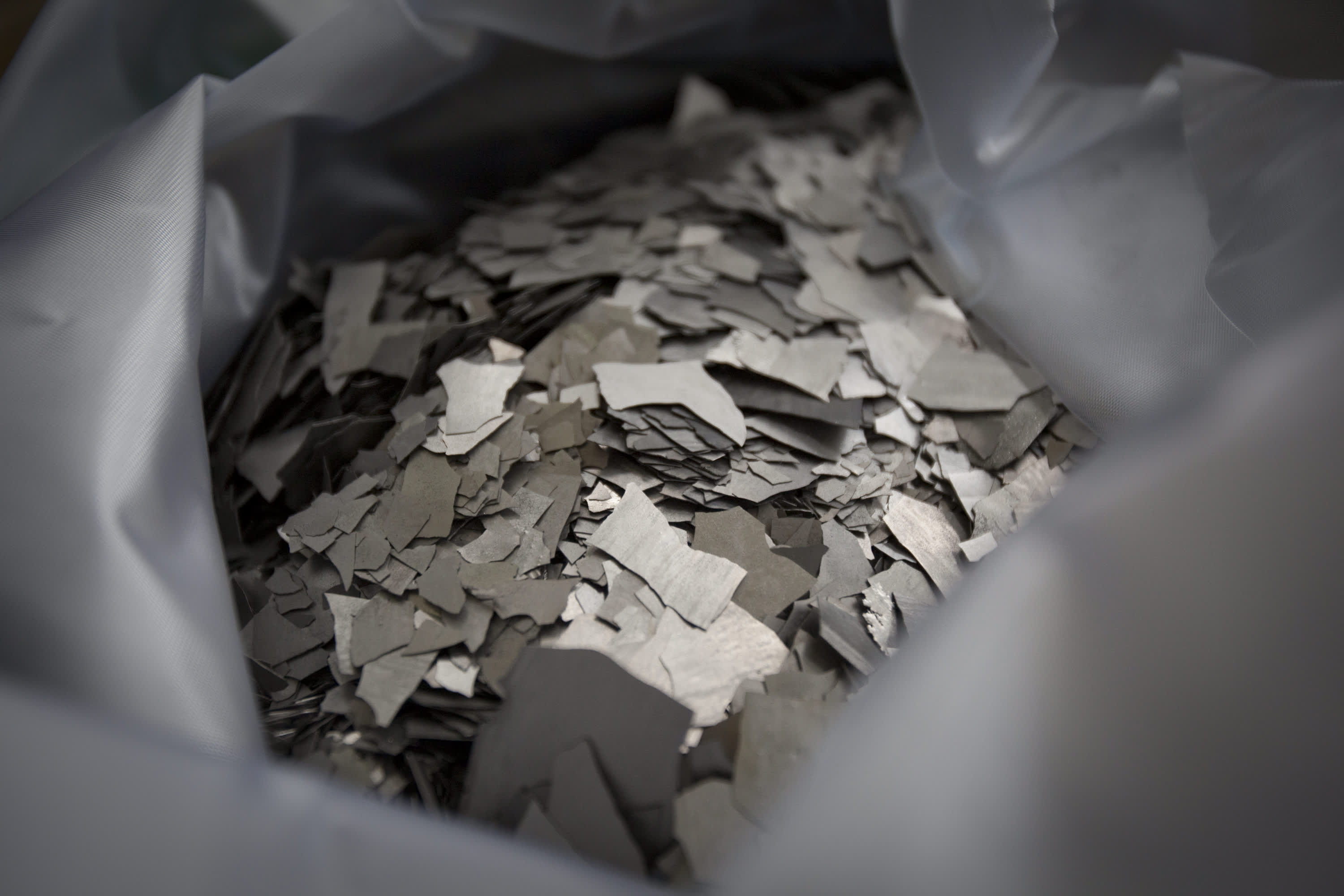
USA Rare Earth has announced a major acquisition agreement to purchase Brazilian mining company Serra Verde in a transaction valued at approximately $2.8 billion. The deal represents one of the most significant moves by a U.S.-linked company to secure direct access to rare earth production outside Asia, as global competition for critical minerals continues to escalate.
The acquisition structure includes roughly $300 million in cash and about $126.9 million in newly issued USA Rare Earth shares, with the remainder tied to broader deal components and long-term valuation adjustments. The transaction is expected to close in the third quarter of 2026, pending regulatory approvals and standard closing conditions.
At the core of the deal is a strategic shift in global supply chain positioning. Rare earth elements have become increasingly central to geopolitical competition, particularly between the United States and China. China currently dominates the sector, accounting for close to 70 percent of global rare earth mining output and nearly 90 percent of refined processing capacity. This dominance extends beyond raw extraction into high-value refining and magnet production, giving Beijing significant leverage over global supply chains.
The 17 rare earth elements are essential to modern industrial systems. They are used in everything from consumer electronics and electric vehicles to wind turbines, defense systems, and advanced computing hardware. Among the most critical are neodymium, praseodymium, dysprosium, and terbium, which are key components in high-performance permanent magnets used across multiple high-growth industries.
Speaking about the acquisition, Barbara Humpton emphasized the strategic necessity of diversifying supply chains. She highlighted that global dependence on a single dominant supplier has created structural vulnerabilities, particularly as demand for clean energy technologies and advanced electronics continues to accelerate. The deal, she noted, secures access to a producing asset capable of delivering critical magnetic rare earth outputs at scale.
Serra Verde’s significance is further reinforced by its existing commercial agreements. The company holds a long-term offtake arrangement covering 100 percent of production for key magnetic rare earth elements. These agreements involve a mix of government-linked and private capital participants, reflecting the strategic importance of securing stable supply in a tightening global market.
From a production standpoint, Serra Verde is positioned as a key upstream supplier of heavy rare earths, which are significantly rarer and more difficult to extract than light rare earths. Industry analysts have increasingly warned that shortages in these materials could constrain growth in sectors such as electric mobility and renewable energy infrastructure if new supply sources are not developed quickly.
Thras Moraitis described rare earths as a strategic intersection of national security, energy transition, and technological advancement. He noted that governments, particularly in the United States, have become more active in supporting upstream investment, including mechanisms designed to stabilize pricing and encourage long-term production commitments.
This policy backdrop reflects a broader shift in industrial strategy. Western economies are increasingly focused on reducing dependency on concentrated supply chains, particularly in materials critical to advanced manufacturing. Rare earths have emerged as one of the most sensitive categories in this shift, given their limited global production base and high barriers to entry in refining and processing.
Market reaction to the announcement was mixed. Shares of USA Rare Earth declined approximately 3.4 percent in premarket trading, reflecting short-term investor caution around acquisition costs and integration risks. However, the stock remains significantly higher year-to-date, with gains of roughly 68 percent, driven by broader optimism around critical minerals and supply chain security themes.
The deal also signals a broader trend of resource nationalism and supply chain regionalization. Governments and private firms are increasingly prioritizing control over upstream assets rather than relying solely on global trade flows. This shift is expected to reshape investment patterns in mining, processing, and materials technology over the next decade.
If completed as planned, the acquisition would position USA Rare Earth as a more vertically integrated player in the global rare earth ecosystem, reducing exposure to geopolitical risk while strengthening access to key inputs required for next-generation technologies.
.webp)
Popular articles



Subscribe to unlock premium content
Hidden Travel Gems That Boost Creativity According to Billionaires

How Streetwear Became a Billion-Dollar Industry From Niche to Mainstream

How Harry Potter Became a Global Brand and Took Over the Muggle World

Hidden Travel Gems That Boost Creativity According to Billionaires
How Streetwear Became a Billion-Dollar Industry From Niche to Mainstream
Hidden Travel Gems That Boost Creativity According to Billionaires