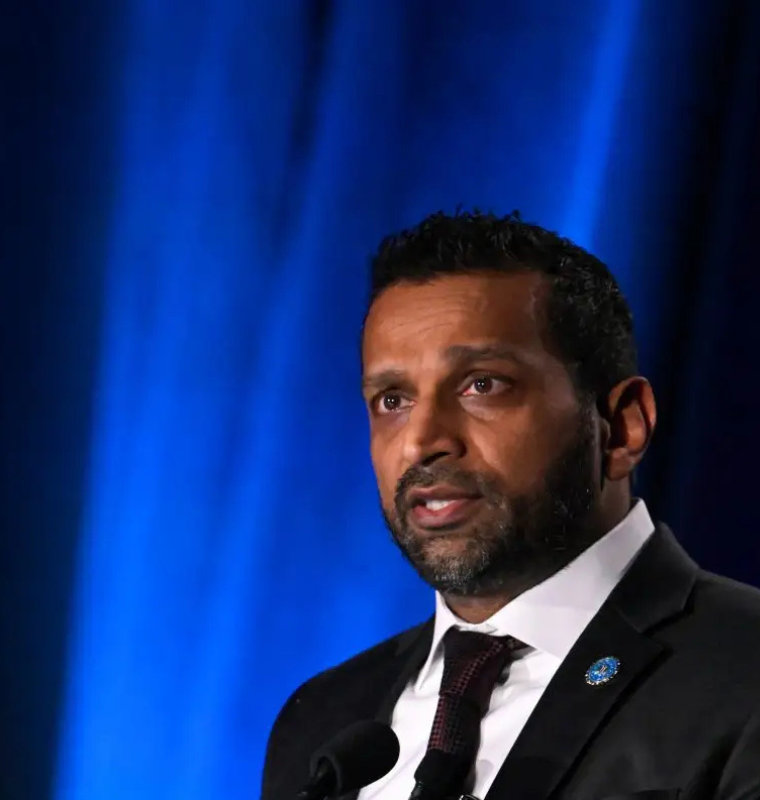
Kevin Warsh Signals Tighter Fed Focus as He Pushes for Policy Discipline and Independence

Kevin Warsh Signals Tighter Fed Focus as He Pushes for Policy Discipline and Independence
By
Rachel Steinberg
Last updated:
April 21, 2026
First Published:
April 21, 2026

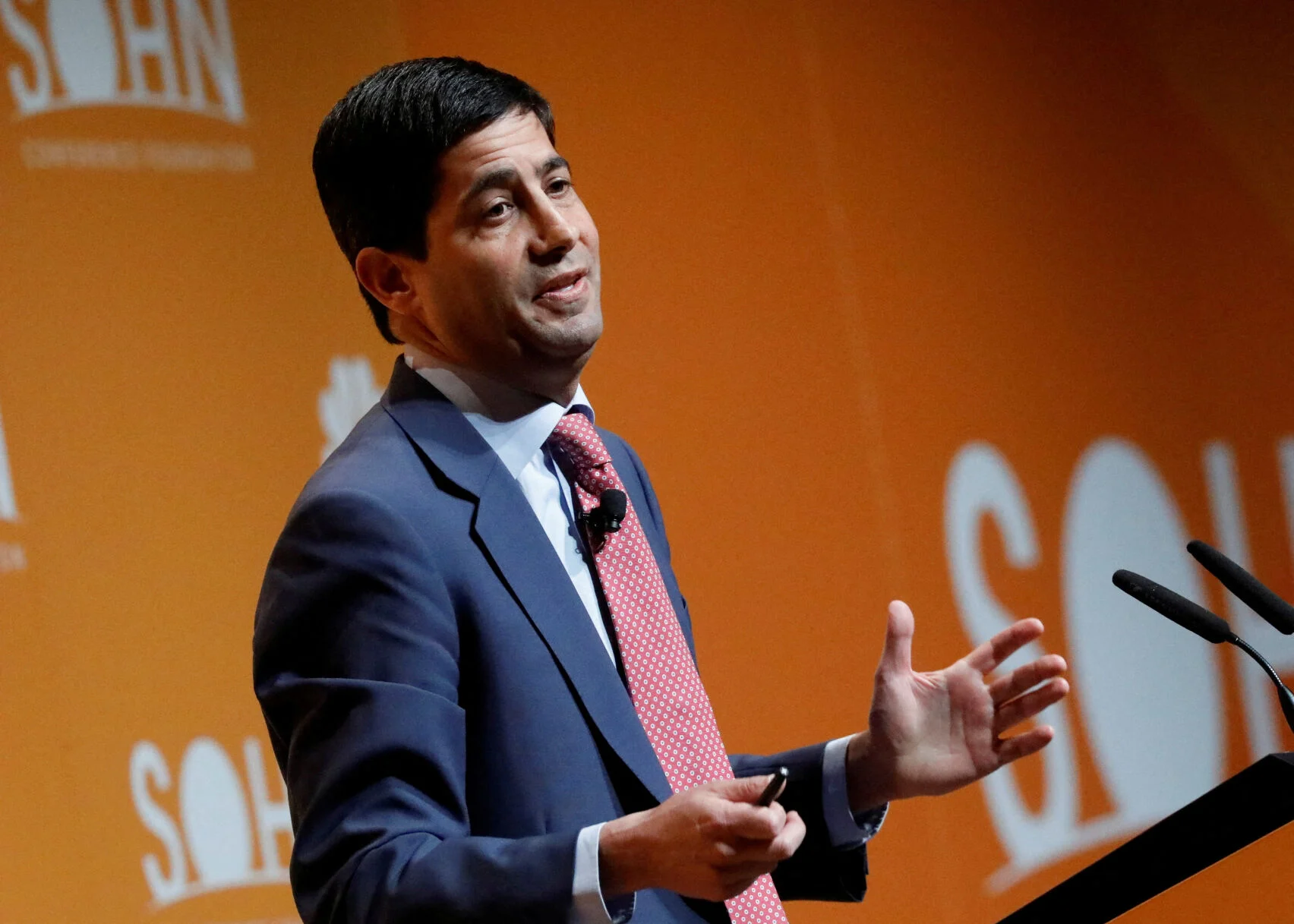
Photo: Union Leader
Federal Reserve chair nominee Kevin Warsh is setting a clear tone ahead of his confirmation process, calling for a more disciplined and narrowly focused central bank. In prepared remarks for his Senate Banking Committee hearing, Warsh stressed that the Federal Reserve must preserve its independence while avoiding expansion into areas beyond its core mandate.
His message is direct: the Fed should concentrate on monetary policy, particularly inflation control, and avoid becoming entangled in broader political, fiscal, or social agendas. Warsh argued that the institution’s credibility and autonomy are most at risk when it strays into domains where it lacks both authority and expertise.
At the center of his position is a renewed emphasis on price stability. Warsh’s remarks highlight inflation as the dominant priority, with comparatively limited focus on employment, signaling a potentially more hawkish policy stance if confirmed. This approach aligns with ongoing concerns about persistent inflationary pressures in the U.S. economy, even as growth remains relatively stable.
Warsh is no stranger to the Federal Reserve system. A former governor during the global financial crisis, he brings both policy experience and private-sector insight to the role. His nomination by Donald Trump in late January reflects a broader push to reshape the central bank’s direction following years of unconventional monetary policy and expanded responsibilities.
However, the path to confirmation is far from straightforward. Political dynamics are already complicating the process. Questions have emerged about whether Warsh, if appointed, would be able to maintain independence in the face of sustained pressure from the White House. Trump has repeatedly called for lower interest rates and has publicly criticized current Fed leadership, including Jerome Powell, on multiple occasions.
Warsh addressed this tension directly, offering a nuanced view of independence. He argued that public commentary from elected officials does not necessarily undermine the Fed’s operational autonomy, particularly in setting interest rates. However, he also acknowledged that the central bank’s independence is more limited in areas involving fiscal oversight, including the management of public funds.
This distinction becomes especially relevant as the Federal Reserve faces scrutiny over its multibillion-dollar headquarters renovation project. The ongoing investigation into the project has added another layer of complexity to the leadership transition. Lawmakers, including Senator Thom Tillis, have indicated that they may delay Warsh’s confirmation until the matter is resolved, potentially extending Powell’s tenure beyond his scheduled term expiration in May.
Despite these challenges, the administration remains confident in Warsh’s eventual confirmation. Supporters point to his academic background, prior experience on the Fed Board, and understanding of financial markets as key strengths that could help restore confidence in the institution’s decision-making framework.
Warsh’s broader critique of the Federal Reserve reflects a growing debate about the central bank’s evolving role. In recent years, the Fed has expanded its scope to include issues such as climate risk, financial inequality, and broader economic resilience. While proponents argue that these areas are increasingly relevant to financial stability, critics like Warsh contend that such expansion risks diluting the Fed’s effectiveness and undermining its independence.
The debate comes at a critical moment for monetary policy. With interest rates still elevated compared to pre-pandemic levels and global economic conditions uncertain, the next Fed chair will play a pivotal role in shaping the trajectory of the U.S. economy. Decisions on rate cuts, balance sheet management, and inflation targeting will have far-reaching implications for markets, businesses, and consumers alike.
Warsh’s stance suggests a return to a more traditional central banking framework, one focused primarily on inflation control and monetary discipline. Whether that approach gains enough political support to secure confirmation remains to be seen.
As the confirmation process unfolds, the outcome will not only determine the Fed’s leadership but also signal the future direction of U.S. monetary policy in an increasingly complex economic environment.
.webp)
Popular articles



Subscribe to unlock premium content
Hidden Travel Gems That Boost Creativity According to Billionaires

How Streetwear Became a Billion-Dollar Industry From Niche to Mainstream

How Harry Potter Became a Global Brand and Took Over the Muggle World

Hidden Travel Gems That Boost Creativity According to Billionaires
How Streetwear Became a Billion-Dollar Industry From Niche to Mainstream
Hidden Travel Gems That Boost Creativity According to Billionaires