Used Electric Vehicles Surge in Popularity as Prices Drop Closer to Gas Cars

Used Electric Vehicles Surge in Popularity as Prices Drop Closer to Gas Cars
By
Rachel Steinberg
Last updated:
May 4, 2026
First Published:
May 4, 2026

Getty Images
The used car market is undergoing a noticeable shift as electric vehicles become more accessible and financially competitive with traditional gasoline-powered cars. A surge in supply, combined with falling prices and changing ownership economics, is driving a sharp increase in demand for pre-owned EVs.
Recent industry data shows that used EV sales jumped nearly 28% year-over-year in March, while also climbing more than 50% compared to the previous month. This rapid growth stands in contrast to a slowdown in new EV purchases, signaling that affordability is becoming a key factor in consumer adoption.
One of the biggest drivers behind this trend is the influx of off-lease vehicles entering the market. Leasing activity for EVs peaked between late 2022 and 2023, and with most leases lasting around three years, a wave of relatively new electric cars is now returning to dealerships. This has significantly expanded inventory, giving buyers more choices across different brands, price ranges, and battery capacities.
Affordability is improving quickly. Nearly 44% of used EVs sold in March were priced below $25,000, up from 39% just a few months earlier. The average price of a used EV has dropped to around $34,653, reflecting a 6% decline from a year ago. That figure is now only about $1,100 higher than the average price of a used gasoline vehicle, a sharp narrowing from the nearly $4,000 gap seen previously. This closing price gap suggests that true price parity between EVs and gas-powered cars is no longer far off.
Even without federal tax incentives—which were phased out in 2025 after previously offering up to $7,500 for new EVs and $4,000 for used ones—buyers are still finding value in the used EV segment. At the state and local level, many incentives remain available, including rebates, tax credits, and discounted electricity rates, which can further improve the total cost of ownership.
However, the upfront price is only part of the equation. The real financial comparison between EVs and gas cars becomes clearer when looking at ongoing ownership costs.
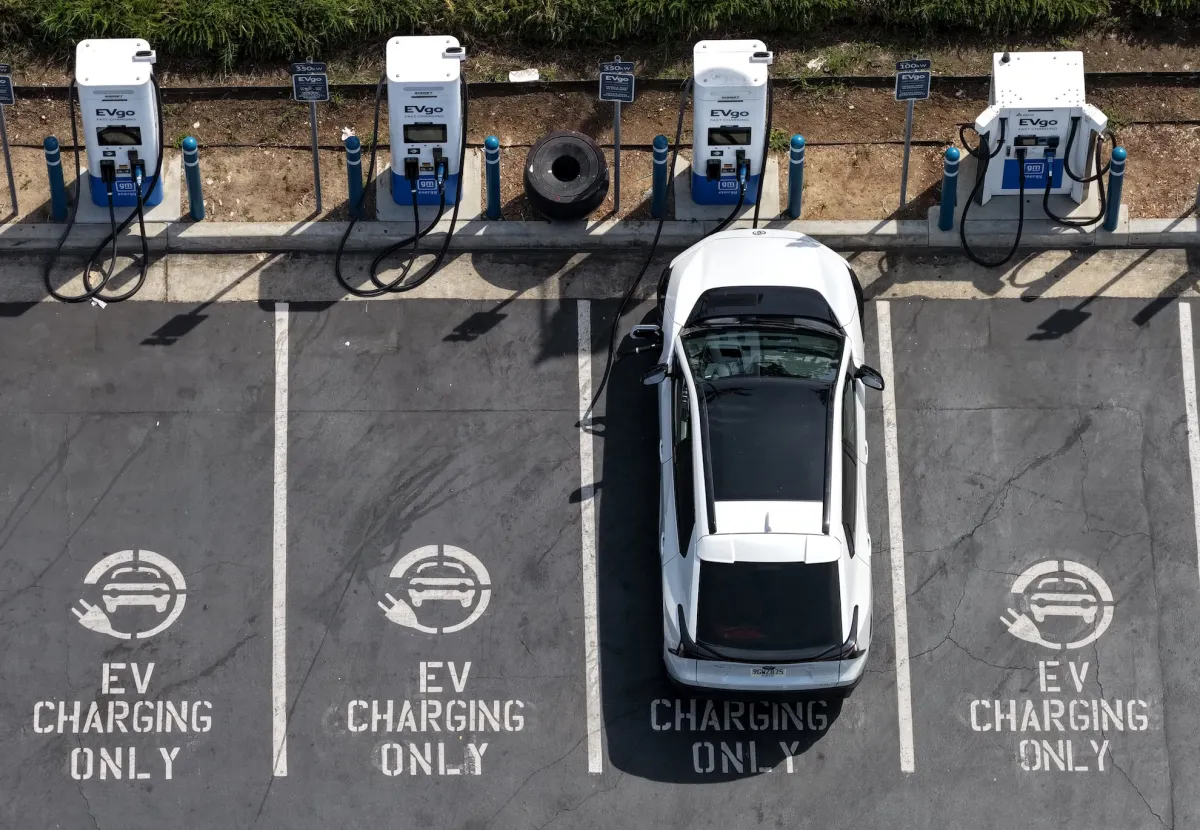
Charging costs are one of the biggest differentiators. For EV owners who can install a home charging system, electricity expenses are significantly lower than gasoline costs. On average, driving about 1,000 miles per month may cost roughly $60 in home charging, compared to around $147 in fuel for a gas-powered vehicle assuming typical fuel efficiency. Public fast charging, while more convenient, can be considerably more expensive, sometimes reaching nearly $170 per month for similar usage.
Installing a home charging station, however, comes with its own upfront investment. A standard Level 2 charger typically costs around $500, but installation expenses can rise into the thousands if electrical upgrades are required. Despite this, long-term savings often offset the initial setup cost for frequent drivers.
Maintenance is another area where EVs generally have an advantage. Electric vehicles have fewer moving parts than internal combustion engine cars, meaning there’s no need for oil changes and less wear on components like brakes due to regenerative braking systems. Over time, this can lead to lower routine maintenance expenses.
That said, EV ownership is not without trade-offs. Tires tend to wear out faster due to the heavier weight of electric vehicles, which can increase replacement frequency. Repair costs can also be higher, particularly after accidents, as specialized parts and skilled technicians are often required. On average, repair bills for EVs are noticeably higher than those for gas-powered vehicles.
Battery health is another critical consideration for buyers. Most EV batteries come with warranties lasting 8 to 10 years or up to 100,000 miles, and many used EVs still have significant coverage remaining. However, replacing a battery outside of warranty can cost anywhere from $5,000 to $15,000, making it essential for buyers to check battery condition and warranty status before purchasing.
Insurance is another cost factor that tends to favor gas vehicles. On average, insuring an EV costs over $4,000 annually, compared to around $2,700 for a comparable gasoline car. The higher premiums are largely due to increased repair costs and the complexity of EV components. However, used EVs are generally cheaper to insure than new ones, helping offset some of this difference.
Modern EVs also introduce a new category of optional expenses: software subscriptions. Features such as advanced driver assistance systems, connectivity services, and performance upgrades may require monthly payments ranging from $10 to $100. While these features are not essential for basic operation, they can add to the overall ownership cost depending on user preferences.
Overall, the rapid rise in used EV sales highlights a turning point in the automotive market. As prices fall, inventory expands, and consumers become more familiar with the real-world costs of ownership, electric vehicles are transitioning from a niche product to a mainstream alternative.
For buyers willing to navigate the nuances—such as charging access, insurance differences, and battery considerations—used EVs are increasingly offering a compelling combination of affordability and long-term savings compared to traditional gas-powered cars.
.webp)
Popular articles



Subscribe to unlock premium content
The Billionaire’s Symphony

Flying Above the Rest

Travel Like the Stars

The Billionaire’s Symphony
Flying Above the Rest
The Billionaire’s Symphony