Hershey Sees Unexpected Sales Boost in Gum and Mints as GLP-1 Drug Use Expands

Hershey Sees Unexpected Sales Boost in Gum and Mints as GLP-1 Drug Use Expands
By
Rachel Steinberg
Last updated:
May 4, 2026
First Published:
May 4, 2026

Getty Images
Hershey is reporting an unusual but increasingly important demand shift: rising sales of gum and mints, driven in part by the growing use of GLP-1 weight-loss medications such as Ozempic and Wegovy. The company says changing consumer appetite patterns linked to these drugs are quietly reshaping parts of the snacking and confectionery market.
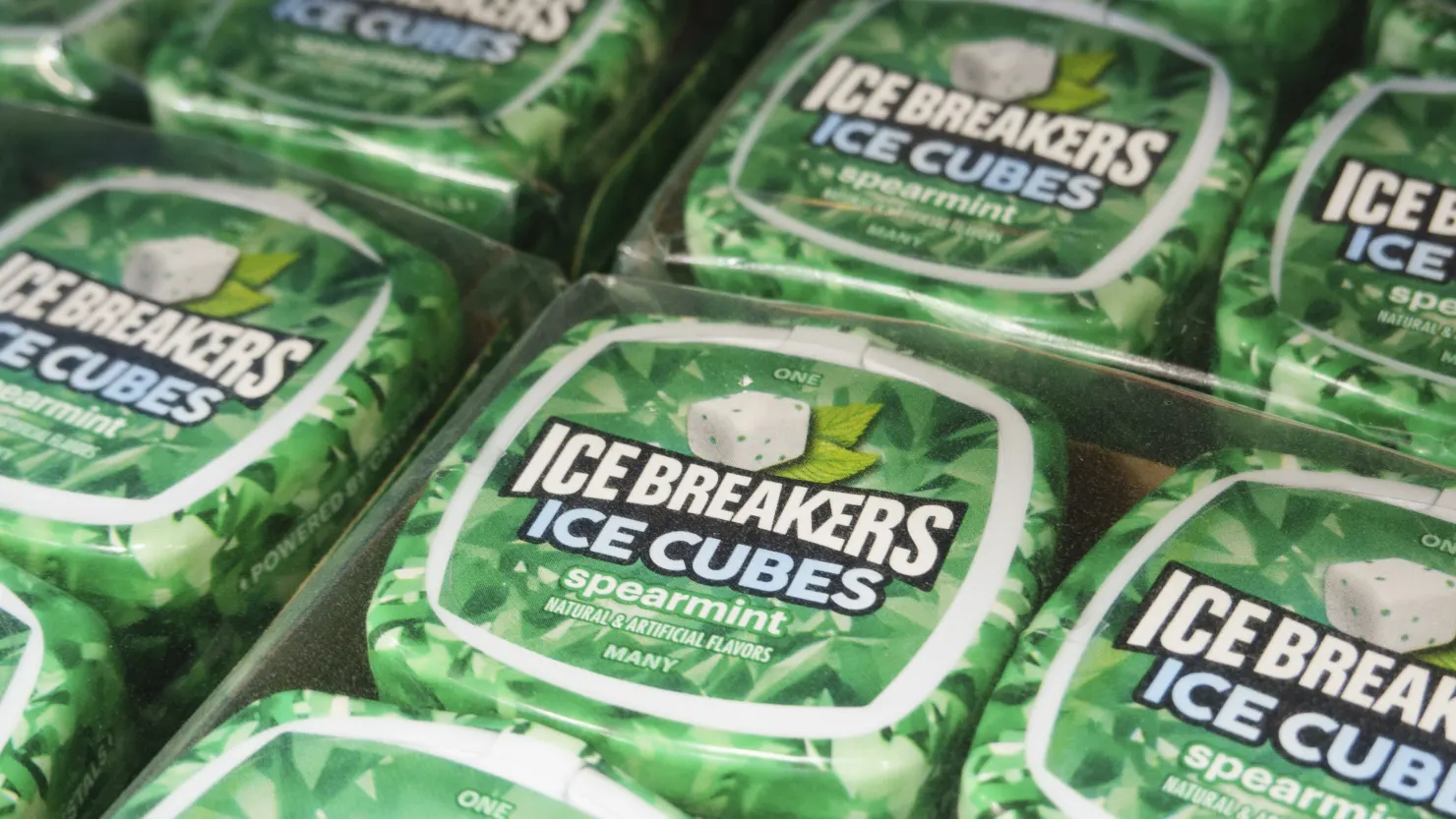
During prepared remarks ahead of its earnings call, CEO Kirk Tanner said the company has seen “strong demand for gum and mints,” noting that functional snacking trends, including GLP-1 adoption, are contributing to category growth. One of Hershey’s key brands, Ice Breakers, recorded retail sales growth of more than 8% in the first quarter, highlighting the momentum in breath-freshening products.
GLP-1 medications are primarily prescribed for diabetes and weight management, but their rapid adoption has created unexpected secondary effects in consumer behavior. While “Ozempic breath” is not an officially recognized medical side effect, users frequently report issues such as dry mouth and altered taste perception. Dental professionals have suggested that reduced saliva production and dehydration may contribute to stronger breath odor, indirectly increasing demand for mints, gum, and similar products.
This behavioral shift is becoming visible across the broader food and beverage industry. As users of GLP-1 drugs tend to reduce overall snacking frequency, they are also selectively shifting consumption toward smaller, more functional food categories. That includes breath-freshening products, protein-rich snacks, and portion-controlled indulgences.
Lindt & Sprüngli has also noted a similar pattern, reporting stronger U.S. demand for premium chocolate among GLP-1 users compared to non-users. Meanwhile, The Magnum Ice Cream Company has pointed to what it calls a “premium treat substitution effect,” where consumers reduce low-value snacking but continue purchasing higher-quality, more indulgent products in smaller portions.
According to Magnum Ice Cream Company CEO Peter ter Kulve, GLP-1 users are increasingly cutting back on habitual snacking while still allowing occasional premium indulgences. This shift, he said, could benefit categories such as premium chocolate, high-protein snacks, and portion-controlled ice cream, as consumers prioritize quality over quantity.
For Hershey, the trend is not limited to mints and gum. The company also reported a 17% increase in sales of its protein bar segment during the same period, reflecting broader demand for functional and protein-enhanced snacks. Combined with strength in its breath-freshening portfolio, these categories helped push overall quarterly revenue up by more than 10%.
However, despite strong underlying performance, Hershey’s stock still declined by over 2% in early trading, suggesting that investors remain cautious about the sustainability and scale of GLP-1-driven demand shifts.
Industry analysts note that this emerging pattern may represent a structural change in snacking behavior rather than a short-term trend. As GLP-1 medications become more widely used, estimated by some forecasts to reach tens of millions of users in the U.S. alone over the coming years, their influence on food consumption habits could extend well beyond confectionery into broader packaged food categories.
At the same time, companies are still working to understand the full scope of these behavioral changes. While reduced appetite may pressure traditional snack volumes, the shift toward functional, protein-rich, and premium products is opening new growth opportunities for manufacturers that can adapt quickly.
For Hershey, the early impact is clear: a surprising boost in categories once considered secondary is now playing a meaningful role in overall performance, reinforcing how pharmaceutical trends are beginning to intersect with everyday consumer spending patterns.
.webp)
Popular articles



Subscribe to unlock premium content
The Billionaire’s Symphony

Flying Above the Rest

Travel Like the Stars

The Billionaire’s Symphony
Flying Above the Rest
The Billionaire’s Symphony