FBI Chief Kash Patel Files $250 Million Defamation Lawsuit Against The Atlantic

FBI Chief Kash Patel Files $250 Million Defamation Lawsuit Against The Atlantic
By
Leah Rosenfeld
Last updated:
April 21, 2026
First Published:
April 21, 2026


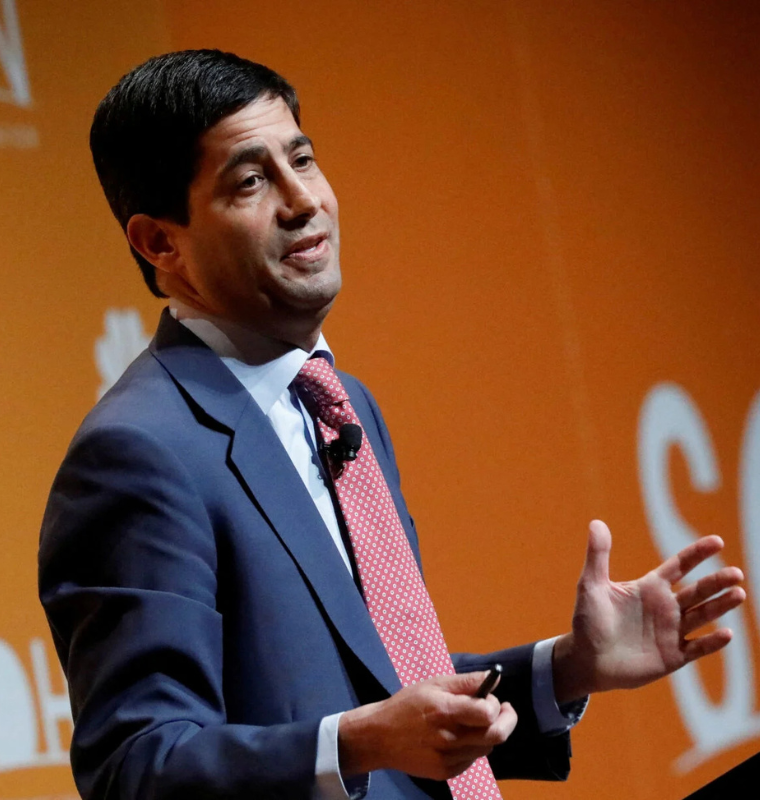
Photo: Global News
A major legal confrontation is unfolding between federal law enforcement leadership and the media, as Kash Patel has filed a $250 million defamation lawsuit against The Atlantic and one of its journalists, Sarah Fitzpatrick. The case, lodged in federal court in Washington, D.C., centers on allegations published in a recent article that claimed Patel engaged in alcohol abuse and erratic behavior.
The lawsuit marks one of the most significant defamation claims filed by a sitting senior government official in recent years, both in terms of financial damages sought and its potential implications for press freedom and accountability.
At the heart of the dispute is an article that raised concerns about Patel’s conduct, including claims of excessive drinking, unexplained absences, and incidents that allegedly affected his professional responsibilities. According to the complaint, the article contained multiple false statements presented as facts, which Patel argues were designed to damage his reputation and undermine his leadership of the FBI.
The 19-page legal filing outlines at least 17 specific claims that Patel’s legal team describes as defamatory. Among them are allegations that he was frequently intoxicated in professional settings, difficult to reach during critical moments, and required intervention from security personnel. The complaint strongly denies all such assertions, stating that Patel has never exhibited the behavior described and that the claims are entirely fabricated.
Patel’s attorneys argue that the publication acted with “actual malice,” a critical legal threshold in U.S. defamation law for public figures. They claim that the magazine proceeded with publication despite being warned prior to release that the central allegations were false. According to the filing, this demonstrates a reckless disregard for the truth, which is required to establish liability under established legal precedent.
The concept of “actual malice” originates from the landmark New York Times Co. v. Sullivan decision, which set a high bar for public officials seeking to win defamation cases. Under this standard, plaintiffs must prove not only that the statements were false, but also that the publisher either knew they were false or acted with reckless disregard for their accuracy.
In response, The Atlantic has firmly defended its reporting, stating that it stands by the article and intends to vigorously contest the lawsuit. The publication has characterized the legal action as without merit, signaling that the case could evolve into a prolonged and closely watched courtroom battle.
Beyond the immediate legal arguments, the case raises broader questions about the intersection of media reporting, public accountability, and reputational risk. For high-profile figures like Patel, the challenge lies in overcoming the substantial legal protections afforded to journalistic work, particularly when it involves matters of public interest.
From a reputational standpoint, the stakes are equally significant. Allegations of personal misconduct can carry long-term implications for leadership credibility, especially in roles tied to national security and law enforcement. Patel, in statements released through his legal team, has emphasized that the claims are false and politically or reputationally motivated, framing the lawsuit as a necessary step to defend both his integrity and the institution he leads.
The financial scale of the lawsuit also underscores its seriousness. A $250 million damages claim places it among the larger defamation suits in recent memory, reflecting both the perceived impact of the allegations and a broader trend of high-value litigation involving media organizations.
As the case moves forward, it is expected to draw significant attention from legal experts, media analysts, and policymakers. The outcome could influence how defamation claims by public officials are pursued in the future, particularly in an era where the speed and reach of digital media amplify both reporting and reputational consequences.
For now, the dispute remains unresolved, with both sides preparing for a legal process that will likely test the boundaries of free speech, journalistic responsibility, and the protections afforded to public figures under U.S. law.
.webp)
Popular articles



Subscribe to unlock premium content
Hidden Travel Gems That Boost Creativity According to Billionaires

How Streetwear Became a Billion-Dollar Industry From Niche to Mainstream

How Harry Potter Became a Global Brand and Took Over the Muggle World

Hidden Travel Gems That Boost Creativity According to Billionaires
How Streetwear Became a Billion-Dollar Industry From Niche to Mainstream
Hidden Travel Gems That Boost Creativity According to Billionaires