UK Moves to Let Airlines Merge Flights as Fuel Costs Surge and Travel Demand Peaks

UK Moves to Let Airlines Merge Flights as Fuel Costs Surge and Travel Demand Peaks
By
Augusta Parker
Last updated:
May 4, 2026
First Published:
May 4, 2026

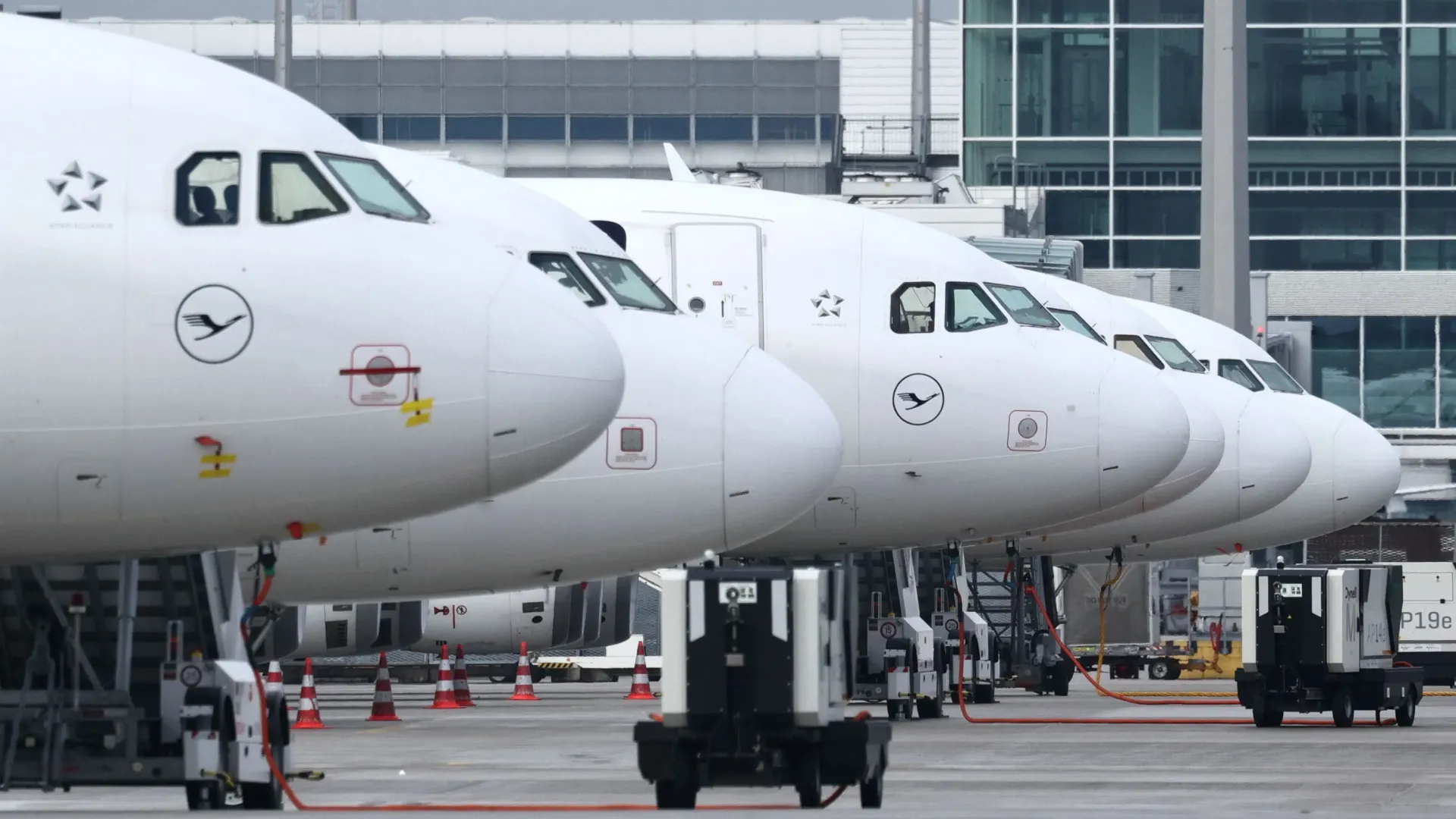
The U.K. government is preparing to introduce temporary measures that would allow airlines to consolidate flights during the busy summer travel season, as soaring jet fuel prices and geopolitical uncertainty put increasing pressure on the aviation industry.
The proposed policy would give carriers greater flexibility to combine multiple flights on the same route into fewer departures, particularly when demand does not justify operating several planes. The goal is to reduce inefficiencies, avoid flying aircraft with large numbers of empty seats, and minimize the risk of last-minute cancellations that have frustrated travelers in recent years.
Officials say the move is designed to bring more stability to airline schedules at a time when fuel costs remain elevated and supply chains are under strain. Airlines would also be permitted to temporarily return unused takeoff and landing slots without losing their rights to those slots in future seasons—an important concession in a highly competitive airport allocation system.
The policy shift comes against the backdrop of rising global energy prices, driven in part by disruptions in the Middle East. The blockade of the Strait of Hormuz—a critical chokepoint for global oil and fuel shipments—has significantly tightened jet fuel supply across Europe. Analysts estimate that roughly one-fifth of the world’s oil passes through this corridor, making any disruption highly impactful for energy-dependent industries like aviation.
Jet fuel prices have surged as a result, with recent data showing averages climbing to around $179 per barrel, a sharp increase compared to pre-conflict levels. For airlines, fuel typically accounts for 25% to 35% of total operating costs, meaning even modest price increases can have a substantial impact on profitability.
Industry leaders have already sounded the alarm. Michael O'Leary, the chief executive of Ryanair, recently warned that many European carriers could face serious financial distress if high fuel prices persist through the summer. While Ryanair has hedged approximately 80% of its fuel costs—providing a buffer against price spikes—smaller or less-prepared airlines may not have the same protection.
The pressure is already evident globally. Spirit Airlines, a major U.S. budget carrier, ceased operations after failing to secure a financial bailout, with rising fuel costs cited as a key factor in its collapse alongside existing financial challenges.
In this context, the U.K.’s plan is intended as a preventative measure rather than a reactive one. By allowing airlines to adjust schedules earlier and consolidate passengers onto fewer flights, the government hopes to reduce operational strain and improve reliability during peak travel months.
For passengers, the changes could translate into fewer disruptions and more predictable travel experiences. Instead of facing sudden cancellations at the airport, travelers may be reassigned to alternative flights in advance, giving them more time to adjust plans and avoid delays.
The policy also addresses environmental and efficiency concerns. Operating near-empty aircraft not only wastes fuel but also increases carbon emissions unnecessarily. By encouraging fuller flights, airlines can improve load factors, reduce fuel consumption per passenger, and align more closely with sustainability goals.
Despite the challenges, U.K. officials have emphasized that there are currently no immediate shortages of jet fuel. Authorities are closely monitoring supply levels and working with airlines, airports, and fuel providers to ensure continuity throughout the summer season.
Industry groups have broadly welcomed the proposal, noting that flexibility in scheduling is essential during periods of volatility. Airlines argue that rigid slot rules and scheduling requirements can force them to operate uneconomical flights, especially when demand fluctuates or external conditions change rapidly.
At the same time, the aviation sector continues to navigate a complex recovery phase. While passenger demand has rebounded strongly following the pandemic, airlines are now contending with a new set of challenges, including higher input costs, geopolitical risks, and tighter regulatory scrutiny.
Looking ahead, the success of the U.K.’s temporary measures could influence similar policies across Europe and other regions. As the aviation industry adapts to a more uncertain operating environment, governments and regulators are increasingly being called upon to provide flexible frameworks that balance efficiency, consumer protection, and economic sustainability.
Ultimately, the move underscores a broader shift in how airlines manage operations in a high-cost, high-demand world. By prioritizing efficiency and adaptability, the industry aims to navigate current headwinds while maintaining service reliability during one of the busiest travel periods of the year.
.webp)
Popular articles



Subscribe to unlock premium content
The Billionaire’s Symphony

Flying Above the Rest

Travel Like the Stars

The Billionaire’s Symphony
Flying Above the Rest
The Billionaire’s Symphony