U.S. Secures Premium Pricing on Venezuelan Crude After Restarting Oil Sales

U.S. Secures Premium Pricing on Venezuelan Crude After Restarting Oil Sales
By
Rachel Steinberg
Last updated:
January 16, 2026
First Published:
January 16, 2026

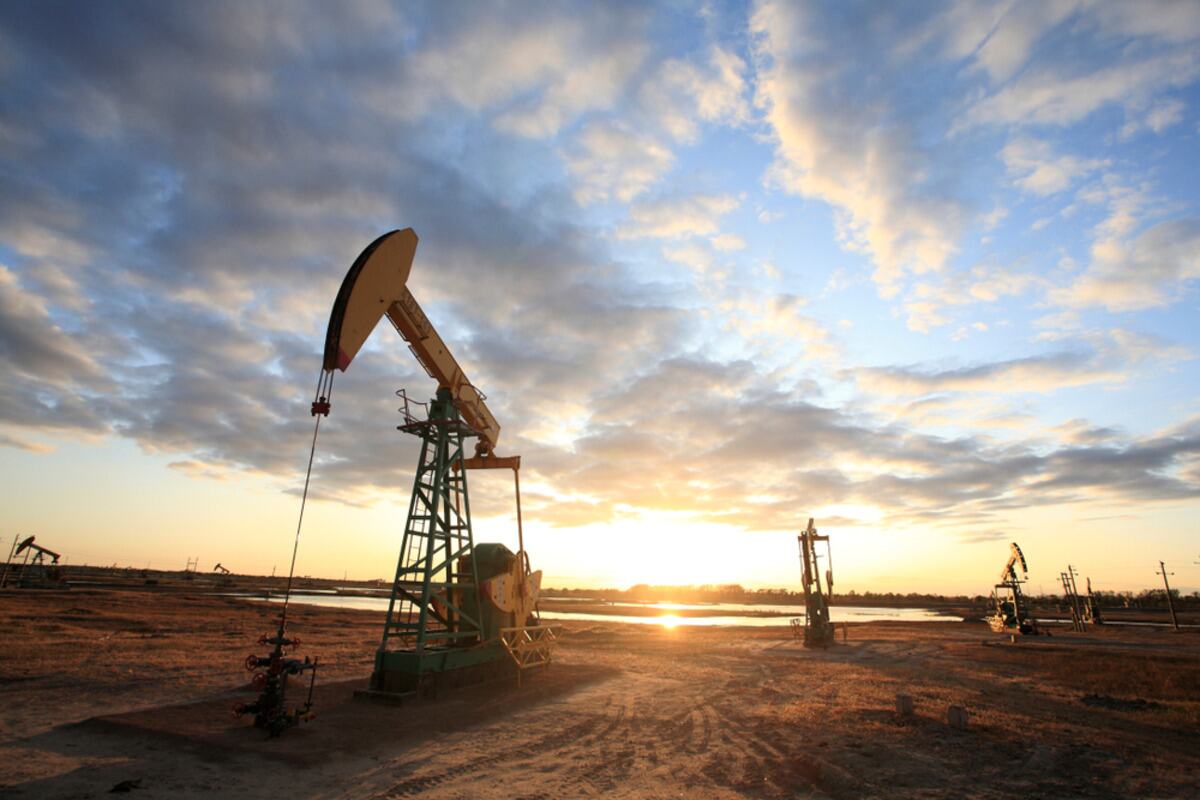
Photo: Economy Middle East
U.S. Oil Sales Begin With Higher Realized Prices
The United States is achieving significantly higher prices for Venezuelan crude oil following its takeover of the country’s sanctioned oil exports, according to Energy Secretary Chris Wright. Speaking at a U.S. Energy Association event on Thursday, Wright said the U.S. is realizing prices about 30% higher than those obtained just weeks earlier under Venezuela’s previous leadership.
The comments came as Washington confirmed the completion of its first Venezuelan oil sale, valued at approximately $500 million. U.S. officials indicated that additional sales are already lined up and will continue in the days and weeks ahead.
First Tranche Marks Start of Ongoing Sales
A spokesperson for the U.S. Department of Energy said the initial transaction represents only the beginning of a broader and ongoing sales program. According to the department, Venezuelan oil sales under U.S. control are expected to continue indefinitely.
President Donald Trump stated last week that Venezuela would transfer between 30 million and 50 million barrels of oil currently under U.S. sanctions. These barrels will be sold at prevailing market prices, with proceeds overseen by the U.S. administration. Trump said the funds would be managed to ensure they benefit both Venezuela and the United States.
Political Shift Reshapes Venezuela’s Oil Flows
The change in oil sales follows the capture of former Venezuelan President Nicolas Maduro earlier this month in an operation conducted by U.S. special forces. Washington said the operation was aimed at restoring political stability in the country after years of economic collapse and international isolation.
Energy Secretary Wright emphasized that the same physical barrels of oil are now generating materially higher revenues simply due to changes in governance, transparency, and market access. He did not disclose specific price levels but stressed the improvement in realized value compared with recent sales.
Vast Reserves, Diminished Output
Venezuela holds the world’s largest proven crude oil reserves, estimated at around 303 billion barrels. Despite this vast resource base, years of underinvestment, mismanagement, and sanctions have crippled the country’s oil industry.
Production has fallen to roughly 800,000 barrels per day, a fraction of the 3.5 million barrels per day produced during the industry’s peak in the 1990s. Aging infrastructure, skilled labor shortages, and lack of capital have left much of the country’s energy potential untapped.
Ambitious Plans to Rebuild the Energy Sector
President Trump announced last Friday that oil companies would invest at least $100 billion to rebuild Venezuela’s energy sector. He added that the U.S. would provide security and oversight to ensure investors can operate safely and earn attractive returns.
Trump recently met with senior executives from major energy companies including Exxon, Chevron, ConocoPhillips, Halliburton, Valero, and Marathon at the White House to discuss potential investments. However, industry leaders remain cautious.
Exxon Mobil CEO Darren Woods told Trump that Venezuela remains “uninvestable” in its current condition, pointing to political risk, legal uncertainty, and unresolved financial disputes.
Legacy of Expropriation Still Looms
Venezuela’s investment climate continues to be shaped by its history of asset seizures. In 2007, the government expropriated assets belonging to Exxon and ConocoPhillips. Caracas still owes the companies billions of dollars stemming from international arbitration rulings related to those actions.
These unresolved claims remain a major obstacle to large-scale private investment, even as Washington signals strong political backing for rebuilding the sector.
Global Oil Markets Absorb New Supply
The developments come amid a broader supply overhang in global oil markets, which has weighed on prices over the past year. Traders have remained largely unfazed by geopolitical tensions, including recent friction between the U.S. and Iran.
Brent crude was trading slightly higher at around $63.85 a barrel, while U.S. West Texas Intermediate hovered near $59.31. Both benchmarks had fallen sharply a day earlier as markets focused on supply fundamentals rather than political risk.
Confidence Remains the Missing Ingredient
Energy market veterans caution that Venezuela’s challenges extend far beyond production capacity. Baron Lamarre, former head of trading at Petronas and co-founder of Index, said the country’s oil crisis is rooted in political and human factors rather than technical or commercial issues.
According to Lamarre, sustained investment will depend on long-term political continuity and credible governance. Until those conditions are firmly in place, capital is likely to remain cautious, incremental, and tightly conditioned.
For now, the U.S. appears focused on maximizing value from Venezuelan oil sales while laying the groundwork for a potential revival of one of the world’s most resource-rich energy sectors.

Popular articles


Subscribe to unlock premium content
Snow, Silence, and Splendor

The $60 Million Market for Ultra-Exclusive Executive Pop-Up Experiences

Conquering the Poles in Absolute Luxury

Snow, Silence, and Splendor
The $60 Million Market for Ultra-Exclusive Executive Pop-Up Experiences
Snow, Silence, and Splendor