Stellantis Shares Sink More Than 40% at Five-Year Mark as Automaker Resets Strategy

Stellantis Shares Sink More Than 40% at Five-Year Mark as Automaker Resets Strategy
By
David Goldfarb
Last updated:
January 20, 2026
First Published:
January 20, 2026

Getty Images
Five years in, the merger story disappoints investors
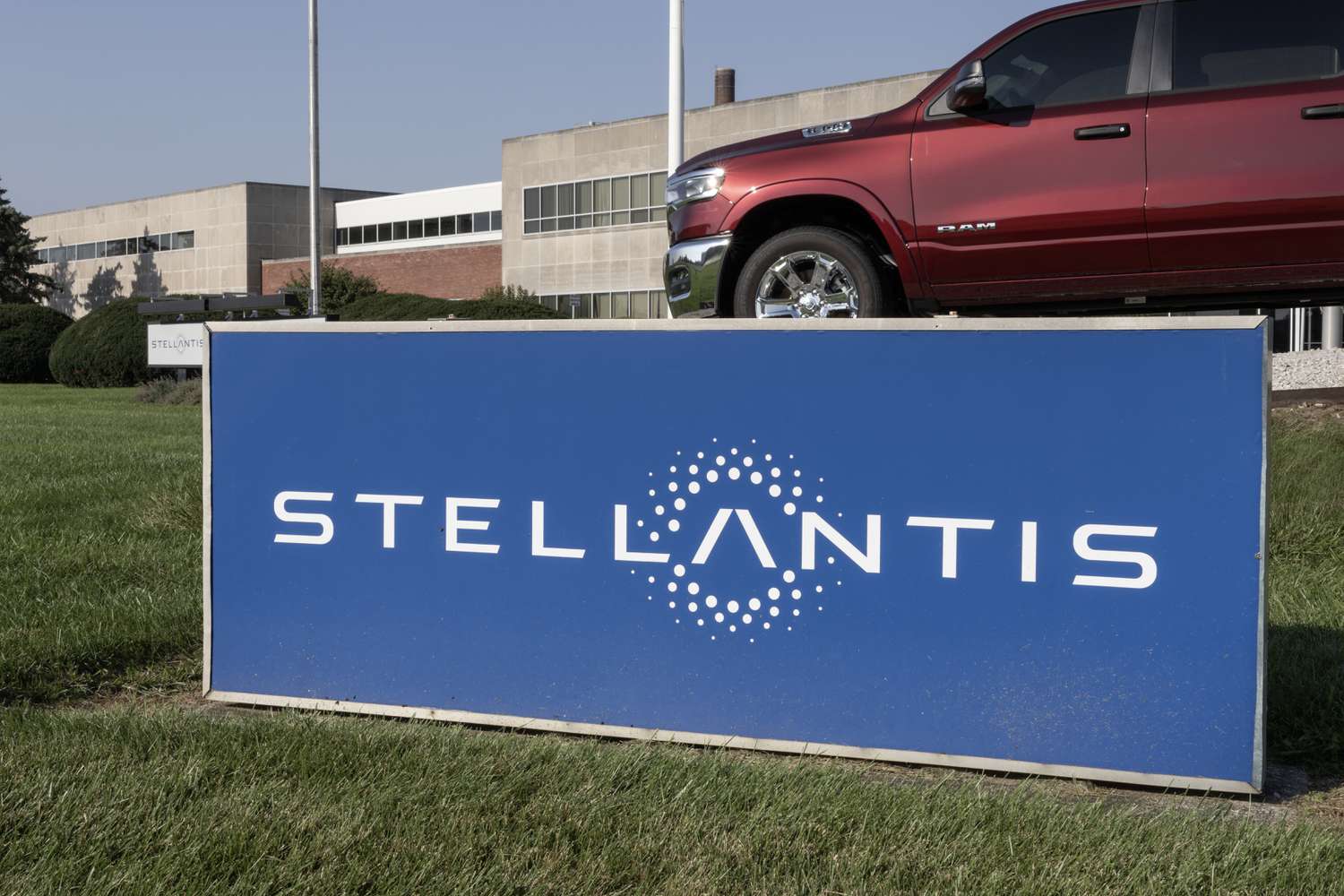
Five years after its creation, Stellantis’ promise as a global automotive powerhouse has yet to translate into lasting shareholder value. The transatlantic automaker, formed in January 2021 through a $52 billion merger between Fiat Chrysler and France’s Groupe PSA, has seen its stock slide sharply since inception.
U.S.-listed shares of Stellantis are down roughly 43% since the merger, while shares listed in Italy have fallen close to 40% over the same period. The declines underscore growing investor frustration with an integration that initially looked successful but later faltered amid operational and strategic challenges.
From early gains to a sharp reversal
Following its debut on the New York Stock Exchange on January 19, 2021, Stellantis stock performed well for several years. At its peak in March 2024, shares were up as much as 74%, supported by aggressive cost controls, strong pricing power, and ambitious long-term targets.
That momentum reversed later in 2024, when the company reported weaker-than-expected financial results. Cost-cutting initiatives designed to protect margins and fund a multibillion-dollar transition toward electric vehicles began to weigh on sales, dealer relationships, and brand competitiveness, particularly in the U.S. market.
Leadership change signals a strategic reset
Many of those initiatives are now being reconsidered under new CEO Antonio Filosa, who took over last summer following the abrupt departure of Carlos Tavares. Tavares, widely credited with engineering the merger and driving early profitability, exited the company in December 2024 amid mounting pressure from declining sales and strained stakeholder relationships.
Filosa has moved quickly to shift priorities. His turnaround plan centers on rebuilding momentum at Jeep and Ram, Stellantis’ most important brands in North America, both of which have lost market share after years of declining volumes.
“The strategy that we have in front of us is a strong one and will lead us to growth if we execute well,” Filosa said this week at the Detroit Auto Show, describing 2025 as “a year of execution.”
Rethinking brands, products, and electrification
Filosa has not ruled out reshaping Stellantis’ sprawling brand portfolio, which includes Fiat, Alfa Romeo, Peugeot, Citroën, Chrysler, Dodge, and others. Some of those nameplates, particularly Fiat and Alfa Romeo in the U.S., have struggled to gain traction.
While he has pushed back against the idea of breaking up the company, Filosa acknowledged that regional focus and sharper brand positioning may be necessary to improve returns.
The new leadership has also approved significant changes to product planning. Stellantis has scaled back aggressive electrification timelines, adjusted pricing strategies, and shifted investment toward vehicles with clearer demand signals, responding to slower-than-expected EV adoption in key markets.
Repairing relationships and rebuilding trust
A central part of Filosa’s early tenure has been repairing relationships with U.S. dealers, suppliers, unions, and employees. Company executives have previously acknowledged that an intense focus on cost reductions under the prior regime damaged morale, product quality, and long-standing partnerships.
Filosa has prioritized restoring trust, particularly with franchised dealers who were hit hard by pricing decisions and inventory constraints. Internally, he has emphasized cultural change alongside financial discipline.
“In the last six months, I see the changes we need to make to create the bright future that Stellantis requires,” he said, reflecting on his early progress as CEO.
Investors wait for clarity on the next chapter
Since Filosa assumed the top job on June 23, Stellantis’ U.S. shares are up about 2%, though they remain under pressure. The stock closed Friday at $9.60, down 4.2% on the day and far below its post-merger highs.
Investors are now looking ahead to a key meeting later this month, when more than 200 senior executives will gather ahead of an upcoming capital markets day. The session is expected to provide clearer guidance on capital allocation, brand strategy, and execution plans for 2026 and beyond.
After five years of mixed results, Stellantis’ next phase will hinge on whether its new leadership can convert strategic resets into sustained growth and restore confidence in one of the auto industry’s most ambitious mergers.
.webp)
Popular articles



Subscribe to unlock premium content
Zara’s Hyper-Fast Fashion Supply Chain Is Changing Global Retail
The Rise of Apple Stores as Experiential Brand Centers Worldwide

Boutique Eco-Lodges in Costa Rica Redefining Ultra-Luxury Travel

Zara’s Hyper-Fast Fashion Supply Chain Is Changing Global Retail
The Rise of Apple Stores as Experiential Brand Centers Worldwide
Zara’s Hyper-Fast Fashion Supply Chain Is Changing Global Retail