U.S. and Denmark Clash Over Greenland’s Future but Commit to Ongoing Dialogue

U.S. and Denmark Clash Over Greenland’s Future but Commit to Ongoing Dialogue
By
Rachel Steinberg
Last updated:
January 15, 2026
First Published:
January 15, 2026

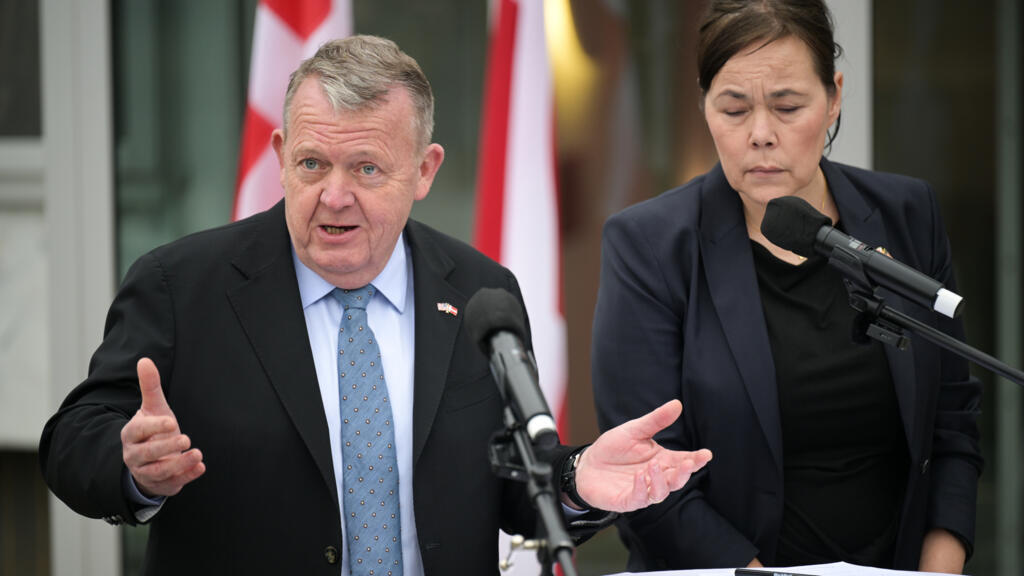
Photo: France 24
The United States and Denmark remain sharply divided over the future of Greenland, with officials on both sides acknowledging a “fundamental disagreement” that was not resolved during high-level talks in Washington. Despite the stalemate, both governments say diplomatic channels will remain open as tensions persist over the strategically vital Arctic territory.
The disagreement surfaced publicly after meetings between Danish and Greenlandic officials and senior members of the Trump administration, including Vice President JD Vance and Secretary of State Marco Rubio. The discussions come as President Donald Trump continues to push the idea that the United States should take control of Greenland, a position that Copenhagen and Nuuk firmly reject.
Denmark’s Foreign Affairs Minister Lars Lokke Rasmussen made it clear that any proposal challenging Denmark’s sovereignty over Greenland crosses a red line. He stressed that the territorial integrity of the Kingdom of Denmark, along with Greenland’s right to self-determination, is non-negotiable.
Rasmussen acknowledged that the talks did not bridge the gap between the two sides but emphasized the importance of continued engagement. He described the situation as an agreement to disagree, underlining that dialogue remains preferable to escalation, particularly given the broader geopolitical and economic implications of the Arctic region.
Greenland’s Foreign Minister Vivian Matzfeldt echoed the message of cooperation while drawing a firm boundary around ownership. She emphasized that Greenland values its relationship with the United States and sees scope for deeper collaboration, especially in areas such as security, trade, and infrastructure. However, she was explicit that closer cooperation does not equate to a desire to be absorbed by the U.S.
The renewed dispute highlights Greenland’s growing importance on the global stage. The island sits astride critical Arctic shipping routes that are expected to become more commercially viable as ice melts. It is also believed to hold significant reserves of rare earth minerals, which are essential for advanced technologies, renewable energy systems, and defense applications. These factors have intensified U.S. strategic interest in the territory over recent years.
President Trump has repeatedly framed Greenland as vital to U.S. national and economic security. Ahead of the latest talks, he reiterated his stance on social media, stating that any outcome short of Greenland becoming part of the United States would be unacceptable. His comments added pressure to already sensitive discussions and underscored how far apart the two sides remain.
For Denmark, the issue is not only about sovereignty but also about precedent. Officials are wary that yielding to U.S. demands would undermine international norms around territorial integrity, particularly at a time when global power rivalries are intensifying. For Greenland, the debate intersects with long-standing questions about autonomy, economic development, and its future relationship with both Denmark and global partners.
While no immediate resolution is in sight, diplomats on all sides appear keen to avoid a rupture. Continued talks suggest an understanding that cooperation in the Arctic, especially on security and economic development, may be possible even as the core disagreement over ownership remains firmly unresolved.
.webp)
Popular articles



Subscribe to unlock premium content
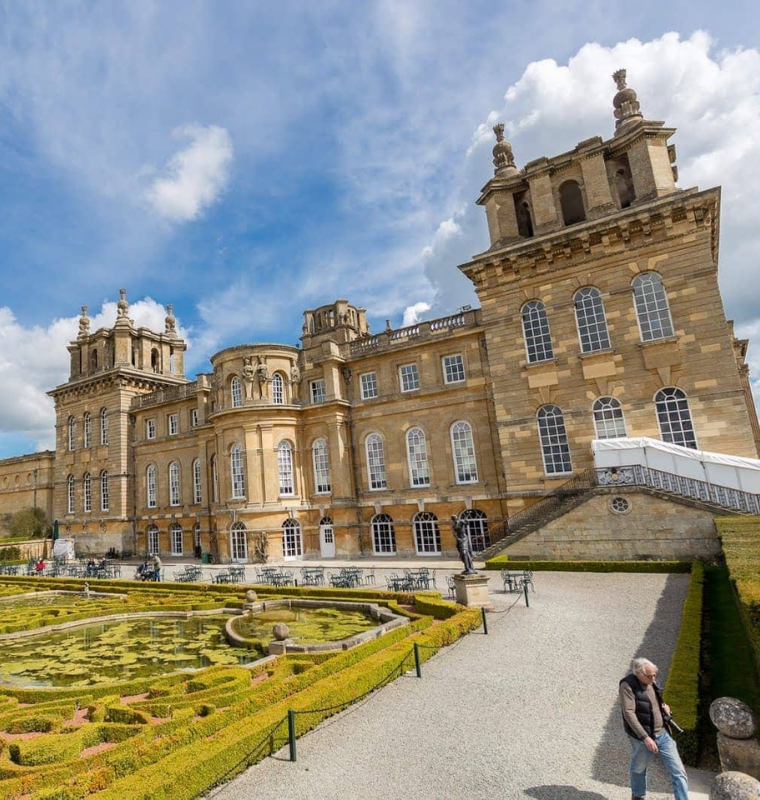
The Rise of Heritage Manor Stays in the United Kingdom Countryside
H&M’s Circular Fashion Model Is Redefining Fast Fashion’s Future

Samsung’s Ecosystem Strategy Beyond Smartphones

The Rise of Heritage Manor Stays in the United Kingdom Countryside
H&M’s Circular Fashion Model Is Redefining Fast Fashion’s Future
The Rise of Heritage Manor Stays in the United Kingdom Countryside