Thrive Capital Injects $1 Billion Into OpenAI as Valuation Climbs to $285 Billion

Thrive Capital Injects $1 Billion Into OpenAI as Valuation Climbs to $285 Billion
By
Rachel Steinberg
Last updated:
February 26, 2026
First Published:
April 25, 2026

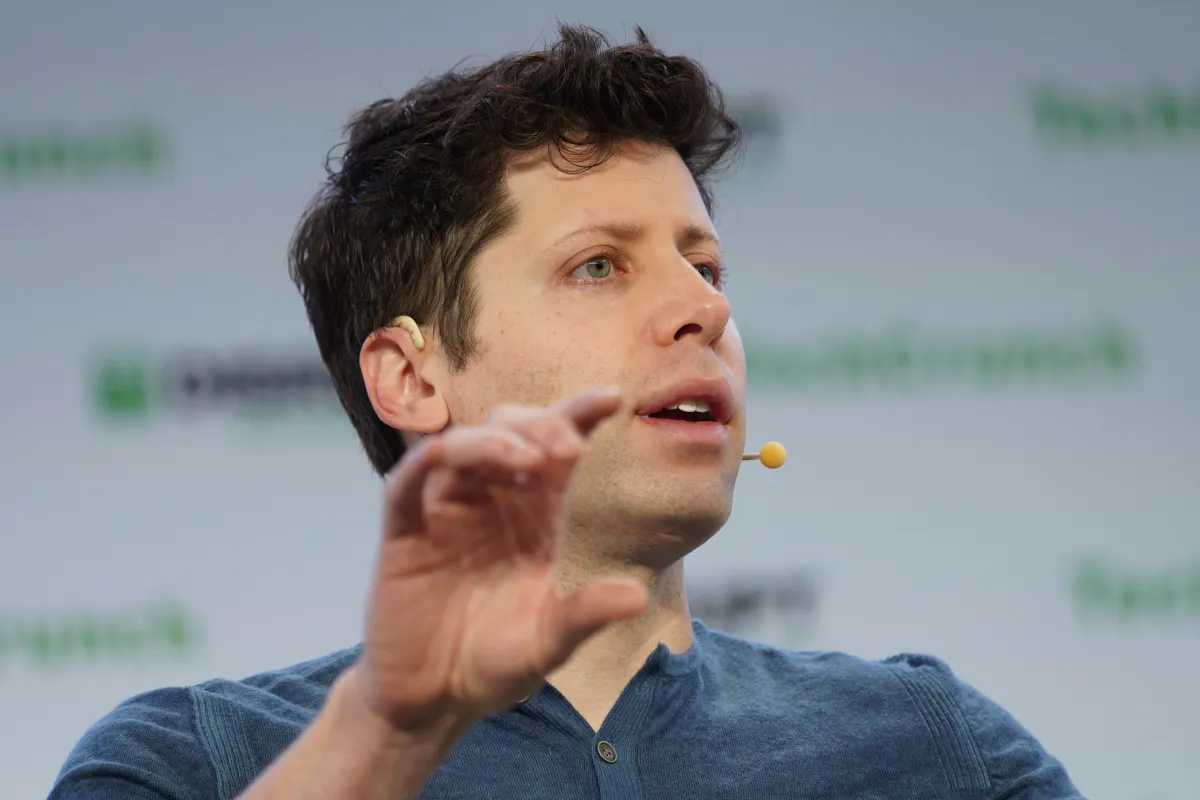
Photo: TechCrunch
Investment Overview
Thrive Capital committed approximately $1 billion to OpenAI in a late-year transaction that valued the artificial intelligence company at about $285 billion. The investment underscores continued investor confidence in OpenAI’s rapid commercial expansion and its dominant position in generative AI infrastructure and applications.
The deal was structured separately from OpenAI’s ongoing capital raise, which is expected to surpass $100 billion in total commitments and significantly reprice the company’s valuation in the coming months.
Preferential Terms and Longstanding Partnership
The transaction reflects the close relationship between OpenAI and Thrive, which has supported the company through multiple funding cycles. Thrive founder Joshua Kushner has been among OpenAI’s most consistent institutional backers, and the latest investment reportedly includes preferential terms typical of late-stage private rounds, such as enhanced governance rights or structured downside protections.
Industry observers note that large anchor investments like this often help set valuation benchmarks ahead of broader fundraising efforts, signaling confidence to other institutional participants.
Context Within OpenAI’s Mega Fundraising
OpenAI is in the final stages of assembling what could become one of the largest private capital raises in history. The broader round is expected to unfold in phases, with strategic investors — including Nvidia, SoftBank, and Amazon — accounting for a substantial share of early commitments.
Market estimates suggest these strategic participants could represent close to 90% of initial funding allocations, reflecting the growing convergence between AI model developers and the infrastructure providers that supply compute, cloud capacity, and chips.
If completed at projected levels, the round could eventually place OpenAI’s valuation near $800 billion, cementing its status among the most valuable privately held technology companies globally.
Strategic Ties Beyond Capital
In addition to the direct investment, OpenAI has taken an ownership position in Thrive’s holding entity, which focuses on acquiring and operating companies that can leverage artificial intelligence to accelerate growth. While financial terms were not publicly disclosed, the cross-ownership structure signals a deeper strategic alignment around deploying AI across enterprise portfolios.
OpenAI CEO Sam Altman has publicly praised Thrive’s support, highlighting the firm’s role as a long-term partner rather than a purely financial investor.
Political and Network Connections
Kushner’s broader network also adds visibility to the partnership. His father, Charles Kushner, serves as the U.S. ambassador to France, while his brother, Jared Kushner, is closely tied to U.S. political leadership. While these relationships are not directly tied to the investment, they illustrate the high-profile ecosystem surrounding major AI capital flows.
Implications for the AI Capital Landscape
The investment highlights how capital concentration in artificial intelligence continues to accelerate. With compute costs rising and model development becoming increasingly resource-intensive, companies like OpenAI are attracting larger and more frequent funding rounds than traditional software firms at similar stages.
For investors, the transaction reinforces a broader trend: exposure to foundational AI platforms is becoming a core strategic priority rather than a speculative bet. As competition intensifies among model developers and infrastructure providers, access to capital at this scale could prove decisive in determining long-term market leadership.
.webp)
Popular articles



Subscribe to unlock premium content
Step Into the Future of Art

London’s Gourmet Playgrounds
The New Frontier of Children’s Entertainment

Step Into the Future of Art
London’s Gourmet Playgrounds
Step Into the Future of Art