Ford Reshuffles Leadership as EV Chief Exits Amid Major Transformation Push

Ford Reshuffles Leadership as EV Chief Exits Amid Major Transformation Push
By
Rachel Steinberg
Last updated:
April 16, 2026
First Published:
April 16, 2026

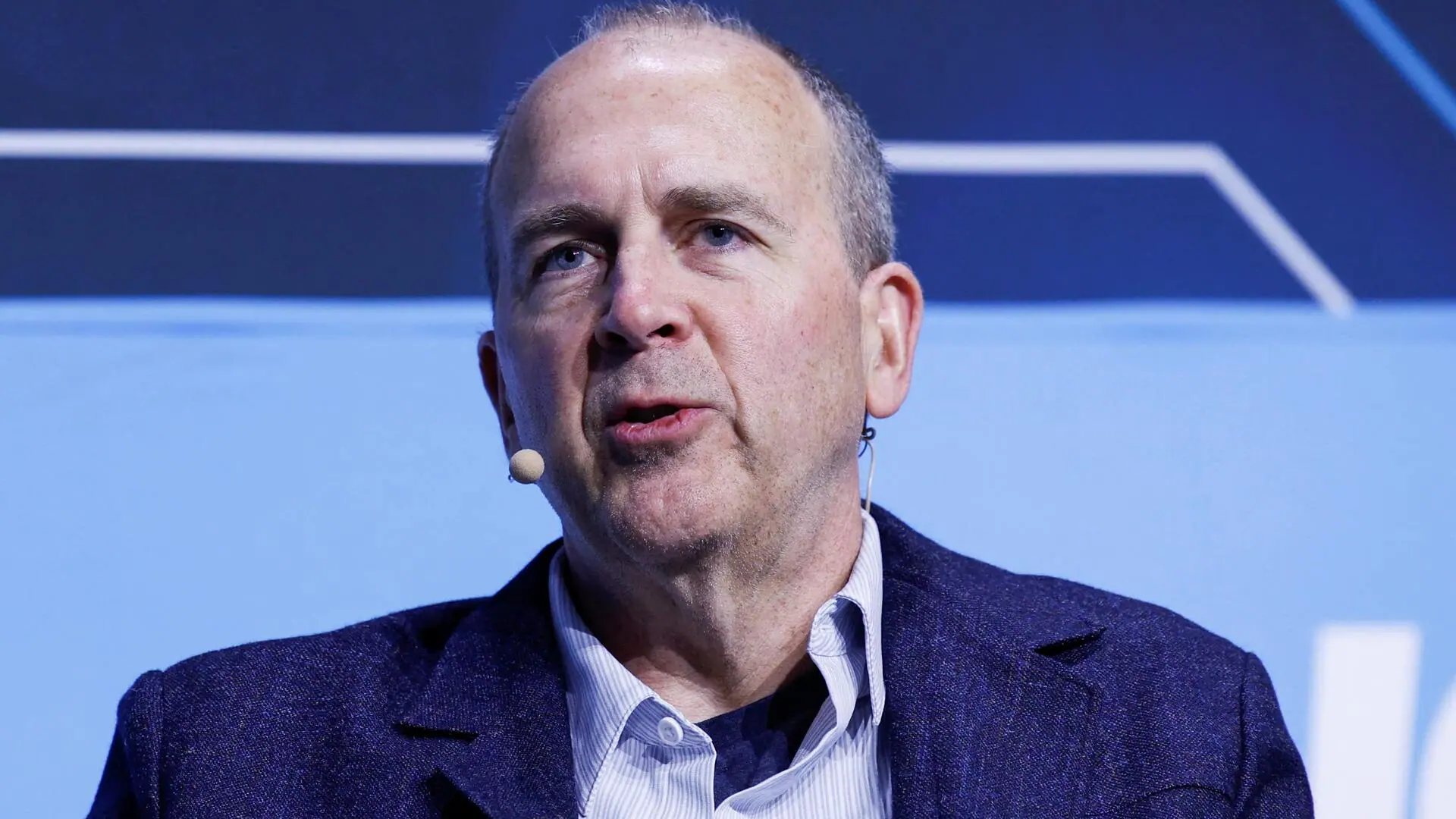
Photo: NewsBytes
Ford Motor is entering a pivotal phase of its transformation as the executive leading its electric vehicle and software division prepares to step down. The departure comes at a time when the company is overhauling its internal structure, aiming to streamline operations, accelerate product development, and improve long-term financial performance.
Doug Field, who has served as Ford’s chief EV, digital, and design officer since 2021, will exit the company following a transition period of approximately one month. His departure marks a significant shift in leadership during a critical period for Ford, as it prepares to roll out a new generation of electric and software-driven vehicles.
The leadership change coincides with a broader organizational restructuring. Ford is consolidating its EV, software, and product development functions into a newly formed “Product Creation and Industrialization” unit. This integrated structure will be led by Chief Operating Officer Kumar Galhotra and is designed to unify engineering, manufacturing, and digital capabilities under a single operational framework.
The goal is clear: improve execution speed, reduce internal complexity, and deliver more competitive products at scale. Ford has set an ambitious target of achieving an 8% adjusted EBIT margin by 2029, a figure that reflects the company’s push to balance innovation with profitability in an increasingly competitive global auto market.
The restructuring comes as Ford prepares for one of the most aggressive product cycles in its history. By 2029, the company plans to refresh approximately 80% of its North American lineup and around 70% of its global vehicle portfolio. This includes next-generation versions of its flagship F-150 and Super Duty trucks, as well as a highly anticipated midsize electric pickup built on its new Universal Electric Vehicle platform, expected to launch next year.
Ford’s long-term strategy extends beyond traditional electric vehicles. By 2030, the company aims for 90% of its global nameplates to offer electrified powertrains, including hybrids, plug-in hybrids, and fully electric models. In parallel, it is investing heavily in software and digital infrastructure, targeting 90% of its vehicles to feature upgraded electrical architectures, proprietary user interfaces, and over-the-air update capabilities.
These advancements are expected to play a key role in enhancing customer experience and unlocking new revenue streams. Ford is also developing advanced driver assistance technologies, with a roadmap that includes “eyes-off” driving capabilities by 2028, building on its existing BlueCruise system.
Despite these ambitions, the transition has not been without challenges. Ford’s push into electric vehicles and software has fallen short of some expectations, particularly in terms of profitability. The company recently reported a substantial $19.5 billion write-down tied to its EV business and strategic realignment, highlighting the financial strain associated with scaling new technologies.
This figure significantly exceeds similar adjustments by competitors, underscoring the difficulty of balancing heavy upfront investment with near-term returns. While the broader industry has faced similar headwinds, including slowing EV demand growth and rising production costs, Ford’s scale of write-down has drawn particular attention from investors.
Field’s departure also reflects the evolving nature of Ford’s strategy. When he joined the company, his role was seen as central to bridging hardware and software development, leveraging his experience from previous leadership positions in both the automotive and technology sectors. During his tenure, he helped build a dedicated team focused on next-generation vehicle platforms and digital systems.
However, Ford’s new structure suggests a shift toward tighter integration rather than standalone divisions. Instead of appointing a direct replacement for Field, the company is embedding his responsibilities within a broader operational framework, signaling a move toward collective execution rather than centralized leadership in EV and software initiatives.
At the same time, Ford is making additional adjustments across its global operations, including changes to its advanced vehicle development programs and European manufacturing footprint. These moves are aimed at improving efficiency, aligning production with demand, and strengthening the company’s competitive position in key markets.
The stakes are high. The automotive industry is undergoing one of its most significant transitions in decades, with electrification, digitalization, and autonomous technologies reshaping the competitive landscape. For Ford, success will depend not only on innovation but also on its ability to execute at scale while maintaining financial discipline.
The coming years, particularly the 2027 to 2029 period, are expected to be decisive. This window will see the rollout of new platforms, technologies, and services that are central to Ford’s long-term vision. The company’s leadership believes that the current restructuring lays the foundation for that transformation, positioning it to compete more effectively against both traditional automakers and emerging EV-focused players.
With leadership changes now underway and a new operational model in place, Ford is entering its next chapter with a clear focus on integration, efficiency, and growth. Whether this strategy delivers the desired results will depend on how effectively the company can translate its ambitious plans into tangible performance in an increasingly demanding market.
.webp)
Popular articles



Subscribe to unlock premium content
Estée Lauder – The Woman Who Revolutionized Cosmetics Marketing with Free Samples

Vending Machines in Japan
Polaroid The Instagram of the 70s

Estée Lauder – The Woman Who Revolutionized Cosmetics Marketing with Free Samples
Vending Machines in Japan
Estée Lauder – The Woman Who Revolutionized Cosmetics Marketing with Free Samples