World Bank Warns of Prolonged Economic Shock Even After Strait of Hormuz Reopens

World Bank Warns of Prolonged Economic Shock Even After Strait of Hormuz Reopens
By
Augusta Parker
Last updated:
April 16, 2026
First Published:
April 16, 2026


Getty Images
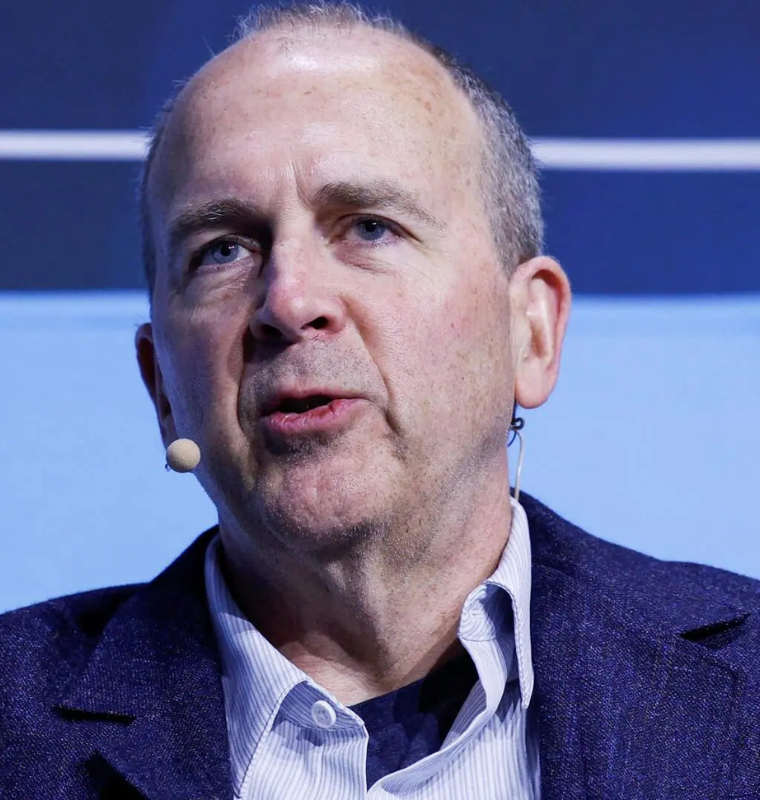
The global economy may continue to face significant disruption for months even after tensions ease in the Strait of Hormuz, according to World Bank President Ajay Banga, underscoring the lingering impact of the Iran-related conflict on energy markets, trade flows, and inflation dynamics.
Speaking during an IMF Spring Meeting interview, Banga emphasized that reopening key oil transit routes would not immediately restore stability. Instead, economies dependent on the Strait of Hormuz—through which nearly a fifth of global oil supplies typically flow—should expect a prolonged adjustment period marked by volatility in energy prices, shipping costs, and inflation pressures.
According to Banga, even under a scenario where the situation stabilizes and maritime traffic resumes normal flow, economic normalization could take several months. Supply chains, particularly in energy-importing nations, would likely continue to experience disruptions long after geopolitical tensions ease.
To address this risk, the World Bank is preparing a multi-tiered financial response framework designed to support affected countries through different stages of the crisis. At its core is a crisis lending capacity that could provide between $20 billion and $25 billion in immediate liquidity, available without requiring fresh approvals. This rapid-response mechanism is intended to stabilize economies facing sudden fiscal or external shocks.
If instability persists beyond the initial phase, the institution is prepared to scale assistance significantly. Over a period of five to six months, total support could expand to around $60 billion, depending on demand and severity of economic disruption. In a more extended scenario lasting up to 15 months, the World Bank estimates that its total financial capacity could reach between $80 billion and $100 billion.
Banga noted that this level of preparedness exceeds even the institution’s response during the COVID-19 pandemic, when approximately $70 billion was deployed globally. The scale of the current contingency planning reflects both the uncertainty surrounding geopolitical developments and the interconnected nature of modern energy and financial systems.
Beyond financial assistance, the World Bank chief also highlighted policy priorities for affected economies. Governments, he advised, should prioritize controlling inflation before shifting focus toward growth recovery. Rising energy costs, disrupted trade routes, and supply-side constraints are expected to keep inflation elevated across multiple regions, particularly in developing and import-dependent economies.
Inflation management, according to Banga, is critical to preventing deeper macroeconomic instability. Higher energy prices feed directly into transportation, food production, and manufacturing costs, which in turn can erode household purchasing power and weaken overall demand. Stabilizing prices, therefore, becomes a foundational step before broader economic recovery can take hold.
The broader concern among policymakers is that even a temporary disruption in the Strait of Hormuz can have outsized global consequences. The waterway is one of the world’s most critical energy chokepoints, and any sustained threat to its operations can quickly ripple through global oil markets, insurance costs, and shipping logistics.
Recent volatility in energy markets has already demonstrated how quickly prices can respond to geopolitical risks. Oil benchmarks have experienced sharp swings during periods of heightened tension, reflecting trader sensitivity to potential supply interruptions. These fluctuations not only affect importing nations but also feed into global inflation expectations.
The World Bank’s proactive stance highlights growing recognition that modern economic shocks are increasingly multi-layered, combining geopolitical instability with structural vulnerabilities in global supply chains. Unlike localized disruptions in the past, today’s crises tend to transmit rapidly across regions, amplifying both their scale and duration.
As governments and central banks navigate this uncertain environment, the emphasis is shifting toward resilience and policy flexibility. Fiscal buffers, monetary discipline, and diversified energy sourcing are becoming central themes in economic planning.
In this context, the World Bank’s expanded financial toolkit is intended not only to respond to immediate crises but also to provide stability during prolonged periods of uncertainty. The institution’s phased support model reflects the expectation that recovery will be uneven and extended, rather than swift or uniform.
Ultimately, the message from global financial leadership is clear: even if geopolitical tensions ease in the short term, the economic aftershocks will likely persist well beyond the resolution of immediate conflict.
.webp)
Popular articles



Subscribe to unlock premium content
Estée Lauder – The Woman Who Revolutionized Cosmetics Marketing with Free Samples

Vending Machines in Japan
Polaroid The Instagram of the 70s

Estée Lauder – The Woman Who Revolutionized Cosmetics Marketing with Free Samples
Vending Machines in Japan
Estée Lauder – The Woman Who Revolutionized Cosmetics Marketing with Free Samples