Some BOJ Officials Eye Earlier Rate Hike Amid Weak Yen and Inflation Pressures

Some BOJ Officials Eye Earlier Rate Hike Amid Weak Yen and Inflation Pressures
By
Rachel Steinberg
Last updated:
January 16, 2026
First Published:
January 16, 2026

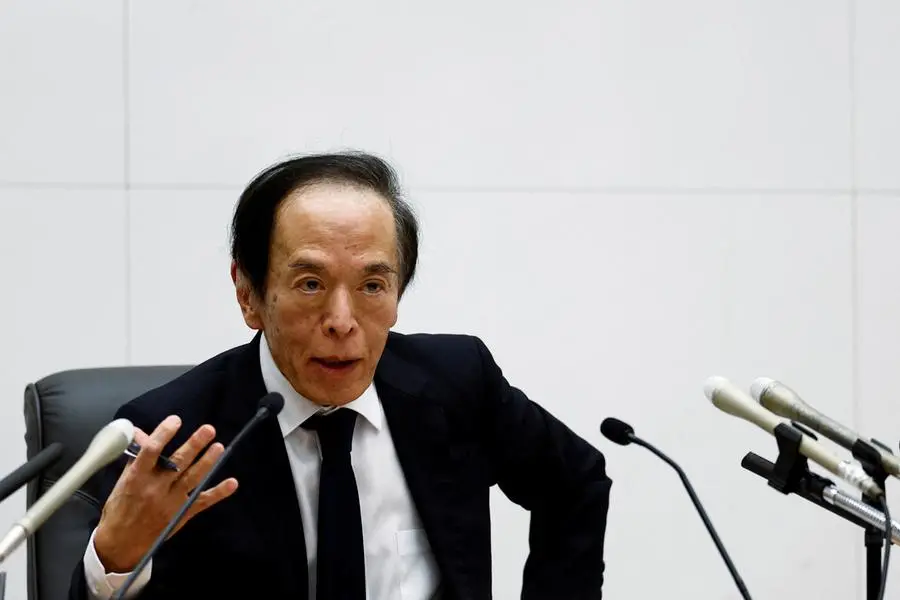
Photo: ZAWYA
Several policymakers at the Bank of Japan (BOJ) are reportedly considering raising interest rates sooner than market expectations, with April emerging as a potential timing for action, according to sources familiar with the central bank’s internal discussions. The move comes as a sliding yen threatens to exacerbate already persistent inflation pressures in Japan’s recovering economy.
Current Policy and Market Expectations
The BOJ raised interest rates to a 30-year high of 0.75% in December, signaling a shift from years of ultra-low borrowing costs. The central bank is expected to keep rates steady at its two-day policy meeting ending January 23. However, some members are weighing the possibility of additional hikes in the near term, a timeline that contrasts with private-sector forecasts, which largely anticipate further tightening in the second half of 2026.
Analysts surveyed by Reuters expect the BOJ to wait until July before lifting rates again, with over 75% forecasting the benchmark to reach 1% or higher by September. Certain officials, however, see sufficient conditions to justify an earlier move if Japan demonstrates durable progress toward its 2% core inflation target.
Inflation and Yen Dynamics
Japan’s core consumer inflation reached 3.0% in November, remaining above the BOJ’s 2% target for nearly four years, largely driven by stubbornly high food prices. While the central bank anticipates a moderation in food-driven inflation over the coming months, a sharply weakening yen adds new risks.
The yen has dropped roughly 8% against the U.S. dollar since October, briefly hitting an 18-month low of 159.45. A weaker yen raises import costs for fuel, food, and other materials, creating additional upward pressure on broader consumer prices. Companies facing rising input costs may pass these onto consumers, heightening the central bank’s concerns.
Internal Debates and Hawkish Voices
There is no consensus within the BOJ on the pace of future rate hikes. Governor Kazuo Ueda has urged caution, citing the fragile recovery and the potential impact of past rate increases on growth. Yet, some board members favor a more aggressive approach, advocating steady hikes to prevent lagging behind inflation risks and to curb further yen depreciation.
Hawkish policymakers Naoki Tamura and Hajime Takata dissented in December, arguing that waiting until October to reach the 2% inflation target could be too slow. Other members have recommended incremental increases over several months to balance growth concerns with price stability.
Looking Ahead to Key Meetings
The BOJ’s April 27–28 meeting could be pivotal. By then, companies will have completed annual wage negotiations, potentially driving stronger pay increases amid a tight labor market. The bank’s quarterly business survey, released April 1, will provide fresh insights into how prior rate hikes have influenced business spending plans.
The central bank will also release extended growth and inflation projections through fiscal 2028, offering guidance on the longer-term trajectory of monetary tightening. Analysts suggest that April could realistically mark the first opportunity for an earlier rate hike if conditions support it.
Market Implications
Persistent inflation, combined with the yen’s depreciation and lingering negative real interest rates, is increasing pressure on the BOJ to act sooner. According to Katsutoshi Inadome, senior strategist at Sumitomo Mitsui Trust Asset Management, the central bank may be behind the curve and could be forced to move before the market currently expects.
As policymakers weigh the trade-off between supporting growth and controlling inflation, Japan’s economic outlook and the trajectory of its currency will be closely monitored by global markets over the coming months.
.webp)
Popular articles



Subscribe to unlock premium content
Chile’s Desert Skies Are Becoming the World’s Most Exclusive Destination

The Rise of Heritage Manor Stays in the United Kingdom Countryside

H&M’s Circular Fashion Model Is Redefining Fast Fashion’s Future

Chile’s Desert Skies Are Becoming the World’s Most Exclusive Destination
The Rise of Heritage Manor Stays in the United Kingdom Countryside
Chile’s Desert Skies Are Becoming the World’s Most Exclusive Destination