OpenClaw Founder Joins OpenAI as Company Doubles Down on AI Agents

OpenClaw Founder Joins OpenAI as Company Doubles Down on AI Agents
By
Rachel Steinberg
Last updated:
February 16, 2026
First Published:
February 16, 2026

Executive Move Signals Strategic Shift
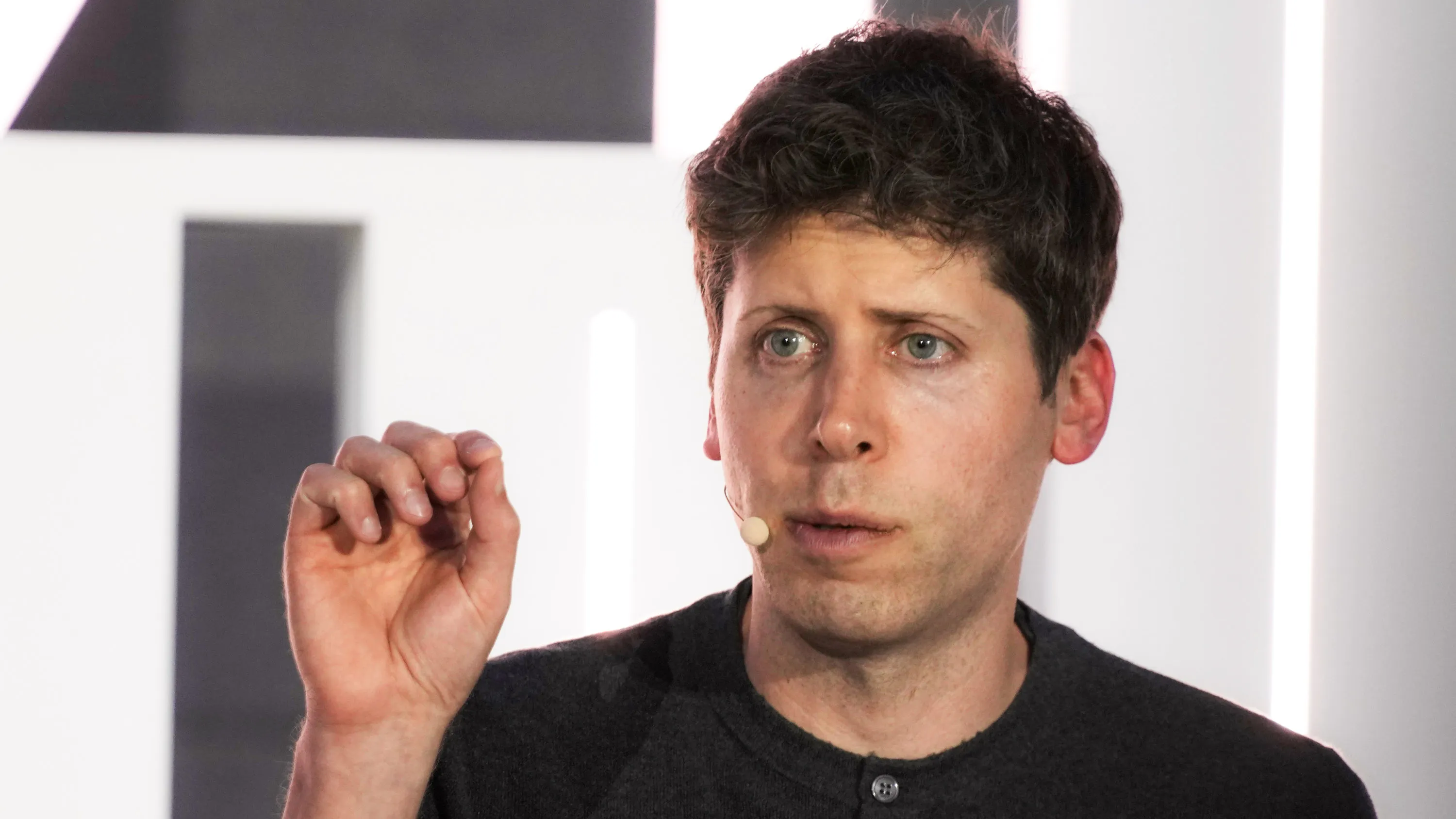
Peter Steinberger, the creator of the rapidly growing AI agent platform OpenClaw, is joining OpenAI, according to CEO Sam Altman. The announcement marks one of the most notable talent acquisitions in the AI agents space this year and underscores the industry’s accelerating focus on software that can independently perform complex tasks.
Altman said the technology will continue to exist as an open-source initiative within a dedicated foundation supported by the company, ensuring ongoing development while integrating its capabilities into future products.
Why AI Agents Are the Next Battleground
AI agents like OpenClaw have surged in popularity over the past year as businesses and consumers increasingly look for tools that can automate workflows, manage communications, schedule tasks, and interact with digital services with minimal supervision.
Unlike traditional chatbots, modern agents can chain multiple actions together, operate across apps, and maintain context over long sessions. Industry estimates suggest enterprise adoption of agent-based automation tools has grown more than 60% year over year, driven by productivity gains and lower operational costs.
OpenAI expects agent technology to become a foundational component across its ecosystem, powering everything from personal productivity tools to enterprise automation solutions.
Inside OpenClaw’s Rapid Rise
Originally launched just weeks ago under earlier names, OpenClaw quickly gained traction through developer communities and social platforms. Its open architecture allows users to customize workflows, integrate external tools, and deploy the agent in both personal and enterprise environments.
The platform’s flexibility has helped it spread internationally, including strong adoption in parts of Asia where developers have paired it with local AI models and messaging ecosystems to create region-specific automation tools.
This global uptake highlights a broader shift toward modular, interoperable AI systems rather than single closed platforms.
Talent Wars Intensify Across Big Tech
Steinberger’s hire comes amid an escalating race among leading technology firms to secure top AI talent. Companies are investing aggressively as generative AI evolves from experimental tools into mission-critical infrastructure.
OpenAI itself has made several high-profile moves, including its multibillion-dollar acquisition of an AI hardware startup founded by Jony Ive.
Meanwhile, rivals such as Google and Meta continue to invest heavily in research teams and compute capacity, while Anthropic is gaining enterprise traction with its Claude family of models.
With OpenAI reportedly valued around $500 billion, the company is under pressure to translate innovation into scalable revenue streams, and agent-based software is widely seen as a key growth vector.
Competitive Landscape and Global Expansion
OpenClaw’s ecosystem has also attracted attention from international tech players. In China, integration efforts with models such as DeepSeek and distribution partnerships with platforms linked to Baidu demonstrate how quickly agent frameworks can embed into local digital infrastructures.
This cross-platform adaptability could make agent technologies a central layer in the global AI stack, similar to how mobile operating systems became foundational in the smartphone era.
Opportunities and Risks
While the open-source nature of OpenClaw is a major driver of innovation, it also raises concerns among cybersecurity researchers. Highly customizable agents can potentially be modified for malicious automation, phishing workflows, or data exploitation if safeguards are insufficient.
Balancing openness with safety will likely be a key challenge as OpenAI integrates the technology more deeply into its offerings.
What This Means for the Industry
Steinberger’s move signals that the next phase of the AI race is shifting from standalone models to autonomous systems that can act, not just respond. As enterprises seek measurable productivity gains, agent frameworks are expected to become a multibillion-dollar market over the next few years.
For OpenAI, bringing OpenClaw’s creator on board strengthens its position in this emerging category and accelerates its ambition to build AI systems capable of handling increasingly complex real-world tasks.
The hire also reinforces a broader industry trend: the future of AI competition will be defined not only by model performance, but by how effectively companies turn intelligence into action.

Popular articles


Subscribe to unlock premium content
Electrifying the Streets of Vietnam

Sky-High Living in Singapore

Sweden’s Startup Visa Sparks a $200 Million Entrepreneurial Boom

Electrifying the Streets of Vietnam
Sky-High Living in Singapore
Electrifying the Streets of Vietnam