Oil Slips as Geopolitical Signals Clash Ahead of Critical Iran Ceasefire Deadline

Oil Slips as Geopolitical Signals Clash Ahead of Critical Iran Ceasefire Deadline
By
David Goldfarb
Last updated:
April 21, 2026
First Published:
April 21, 2026

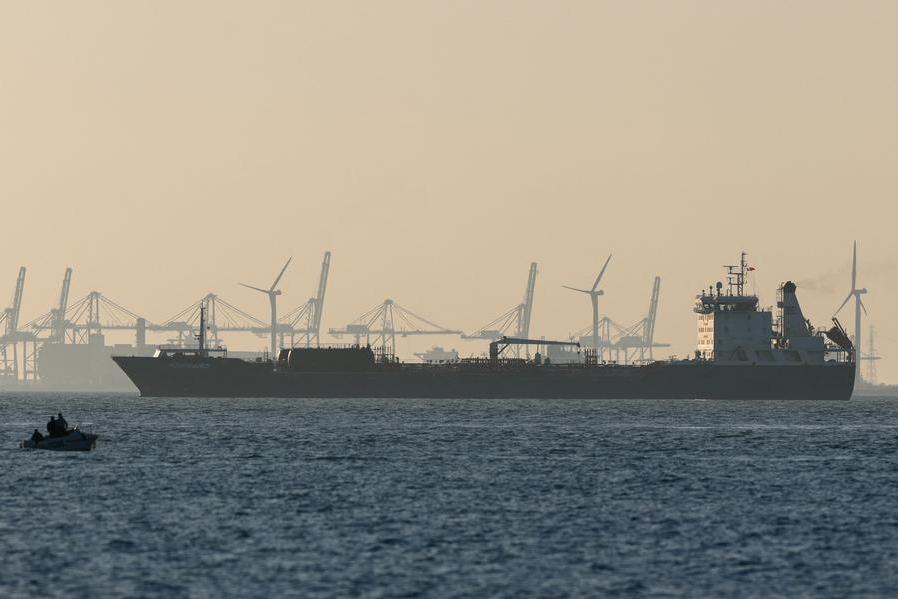
Photo: ZAWYA
Global oil markets turned volatile again as prices pulled back during Asian trading hours, with investors navigating conflicting signals around potential U.S.–Iran peace talks just hours before a fragile ceasefire deadline. The uncertainty has injected fresh instability into energy markets already strained by supply disruptions and geopolitical risk.
West Texas Intermediate crude for May delivery dropped 1.51 percent to $88.26 per barrel, while Brent crude for June slipped 0.68 percent to $94.87 per barrel. The decline followed a sharp rally in the previous session, where both benchmarks surged between 5 and 7 percent, highlighting how quickly sentiment is shifting in response to geopolitical developments.
At the center of the volatility is the unclear direction of diplomatic efforts between Washington and Tehran. Reports indicate that U.S. Vice President JD Vance is expected to lead a delegation to Pakistan for potential talks, signaling that diplomatic channels may still be open. However, Iran’s latest statements suggest a far more rigid stance. Senior officials have publicly rejected negotiations under pressure, emphasizing readiness for escalation rather than compromise.
Adding to the uncertainty, U.S. President Donald Trump has intensified his rhetoric, warning of significant military consequences if an agreement is not reached before the ceasefire expires. His messaging has oscillated between calls for negotiation and threats of force, leaving markets struggling to interpret the true trajectory of U.S. policy. The situation escalated further after U.S. forces seized an Iranian vessel, reinforcing the administration’s hardline approach, including ongoing restrictions on Iranian port activity.
Beyond diplomacy, the physical supply chain is becoming an even greater concern. Disruptions around the Strait of Hormuz, one of the world’s most critical oil transit chokepoints, are tightening global supply and amplifying price swings. Roughly a fifth of global oil flows through this narrow passage, making any instability there immediately impactful for global energy markets.
Energy analysts are increasingly warning that sustained geopolitical tension could reshape supply dynamics worldwide. Rystad Energy has already revised its 2026 oil outlook upward, citing prolonged disruption risks. According to the firm, if crude prices break above the $100 per barrel threshold and remain elevated, it could trigger the release of up to 2.1 million barrels per day in new supply from South America.
This potential shift would mark a significant realignment in global oil production. Countries like Brazil and Guyana are rapidly expanding their output capacity, positioning the region as a key source of incremental supply. Analysts now view South America as one of the most strategically important areas for future oil growth, especially as traditional supply routes face increasing geopolitical pressure.
The broader takeaway for markets is clear. The current crisis is not just about short-term price spikes but about structural vulnerabilities in global energy distribution. The concentration of supply routes through politically sensitive regions like the Middle East has exposed how fragile the system can be under stress.
For investors and policymakers alike, the coming days will be critical. The outcome of the ceasefire deadline, the tone of U.S.–Iran engagement, and the stability of the Strait of Hormuz will all play decisive roles in determining the next direction for oil prices. Until there is greater clarity, volatility is likely to remain the defining feature of the global energy market.
.webp)
Popular articles



Subscribe to unlock premium content
Hidden Travel Gems That Boost Creativity According to Billionaires

How Streetwear Became a Billion-Dollar Industry From Niche to Mainstream

How Harry Potter Became a Global Brand and Took Over the Muggle World

Hidden Travel Gems That Boost Creativity According to Billionaires
How Streetwear Became a Billion-Dollar Industry From Niche to Mainstream
Hidden Travel Gems That Boost Creativity According to Billionaires