Mitsubishi Makes $7.5 Billion Bet on U.S. Shale Gas to Power Next Phase of Energy Growth

Mitsubishi Makes $7.5 Billion Bet on U.S. Shale Gas to Power Next Phase of Energy Growth
By
David Goldfarb
Last updated:
January 16, 2026
First Published:
January 16, 2026

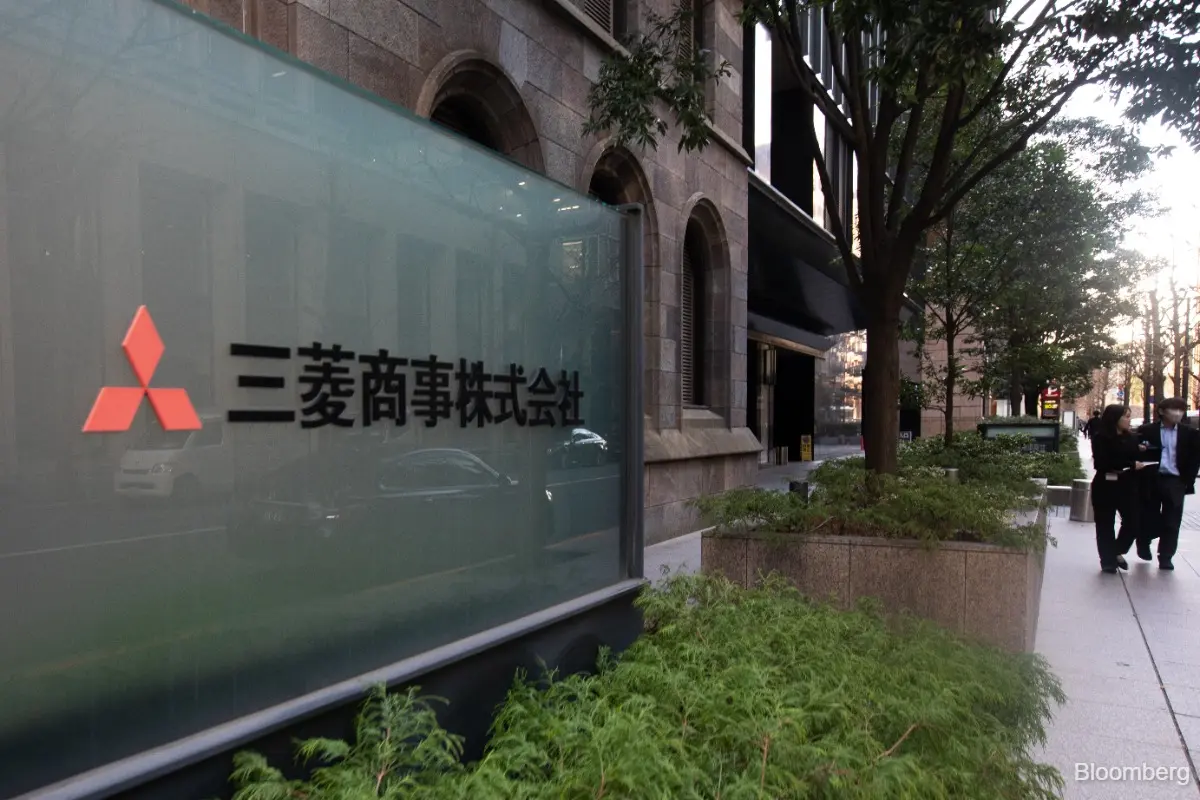
Photo: The Edge Malaysia
Mitsubishi Expands Aggressively in the U.S. Energy Market
Mitsubishi Corporation is significantly scaling up its presence in the U.S. energy sector with a $7.53 billion acquisition of shale gas assets, including debt, underscoring Japan’s growing focus on securing long-term energy supplies and monetizing rising global demand for natural gas.
The transaction targets assets owned by Aethon Energy Management in Texas and Louisiana, two of the most prolific natural gas-producing regions in the United States. Mitsubishi will invest approximately $5.2 billion through equity purchases while assuming $2.33 billion of Aethon’s existing debt, according to company disclosures.
Strategic Push Into the World’s Largest Gas Market
The deal reflects Mitsubishi’s confidence in the structural growth of U.S. natural gas demand. The company cited expanding electricity consumption from data centers, advanced manufacturing facilities, and continued growth in liquefied natural gas exports as key drivers behind the investment.
The United States remains the world’s largest natural gas producer and one of the fastest-growing LNG exporters, making it a critical market for global energy players seeking scale, cost efficiency, and export optionality. Mitsubishi aims to leverage domestic U.S. consumption alongside international LNG shipments to Asia and Europe.
Strengthening Earnings and LNG Scale
In a filing with the Tokyo Stock Exchange, Mitsubishi stated that the acquisition will directly strengthen the earnings base of its natural gas and LNG businesses. The Aethon assets are expected to add production capacity comparable to Mitsubishi’s existing LNG portfolio, which currently stands at approximately 15 million metric tons per year.
Once fully integrated, the transaction is expected to nearly double Mitsubishi’s overall LNG-related output, significantly enhancing cash flow visibility and long-term earnings resilience at a time when energy security remains a priority for governments and corporations alike.
Building a Fully Integrated Energy Value Chain
Beyond upstream gas production, Mitsubishi emphasized that the acquisition will accelerate its efforts to build a fully integrated energy value chain within the United States. This includes activities spanning gas development, midstream logistics, power generation, data center infrastructure, chemical manufacturing, and related industrial businesses.
The company views competitively priced upstream gas as a foundation for downstream expansion, particularly in energy-intensive sectors such as hyperscale data centers and advanced manufacturing, both of which are expanding rapidly across the U.S.
Part of a Broader Japan-U.S. Investment Wave
Mitsubishi’s move follows a broader trend of Japanese capital flowing into U.S. energy assets. In October, Japan’s largest power generator, JERA, announced a $1.5 billion investment in the Haynesville Shale basin, located along the Louisiana-Texas border.
These investments align with Tokyo’s broader $550 billion investment pledge to the United States, aimed at strengthening economic ties and securing critical supply chains. While it remains unclear whether Mitsubishi’s acquisition formally counts toward that pledge, Japanese media outlets have identified energy projects as a primary focus area.
Market Reaction and Investor Perspective
Despite the strategic rationale, Mitsubishi shares declined approximately 2% following the announcement, reflecting short-term investor caution around deal size, debt assumptions, and execution risks. However, analysts note that long-life shale assets and expanded LNG exposure could enhance earnings stability over the medium to long term.
The acquisition also positions Mitsubishi to benefit from potential upside tied to LNG pricing, export volumes, and rising electricity demand driven by artificial intelligence infrastructure and industrial reshoring trends in the U.S.
Expanding an Already Global Gas Portfolio
Mitsubishi already maintains a diversified natural gas footprint with projects spanning Alaska, Malaysia, Canada, Indonesia, and Australia. In North America, the company has existing upstream shale partnerships with Ovintiv in Canada, midstream marketing and logistics operations through its Houston-based subsidiary CIMA Energy, and LNG export exposure via LNG Canada and Cameron LNG.
The addition of Aethon’s assets strengthens Mitsubishi’s vertical integration in the U.S., reinforcing its strategy of combining upstream resource ownership with downstream infrastructure and global export capabilities.
Long-Term Energy Positioning
With global demand for cleaner-burning fuels expected to rise as coal usage declines and renewable energy scales unevenly, Mitsubishi is positioning natural gas as a central pillar of its long-term energy strategy. The U.S. shale acquisition reflects a calculated bet that gas will remain critical for power generation, industrial use, and energy security for decades to come.
As competition for high-quality energy assets intensifies, Mitsubishi’s move signals that major global trading houses are willing to deploy significant capital to secure scale, integration, and long-term relevance in the evolving global energy landscape.

Popular articles


Subscribe to unlock premium content
Snow, Silence, and Splendor

The $60 Million Market for Ultra-Exclusive Executive Pop-Up Experiences

Conquering the Poles in Absolute Luxury

Snow, Silence, and Splendor
The $60 Million Market for Ultra-Exclusive Executive Pop-Up Experiences
Snow, Silence, and Splendor