Microsoft Commits $17.5 Billion to India as AI Infrastructure Race Accelerates Across Asia

Microsoft Commits $17.5 Billion to India as AI Infrastructure Race Accelerates Across Asia
By
Rachel Steinberg
Last updated:
December 10, 2025
First Published:
December 10, 2025

Getty Images
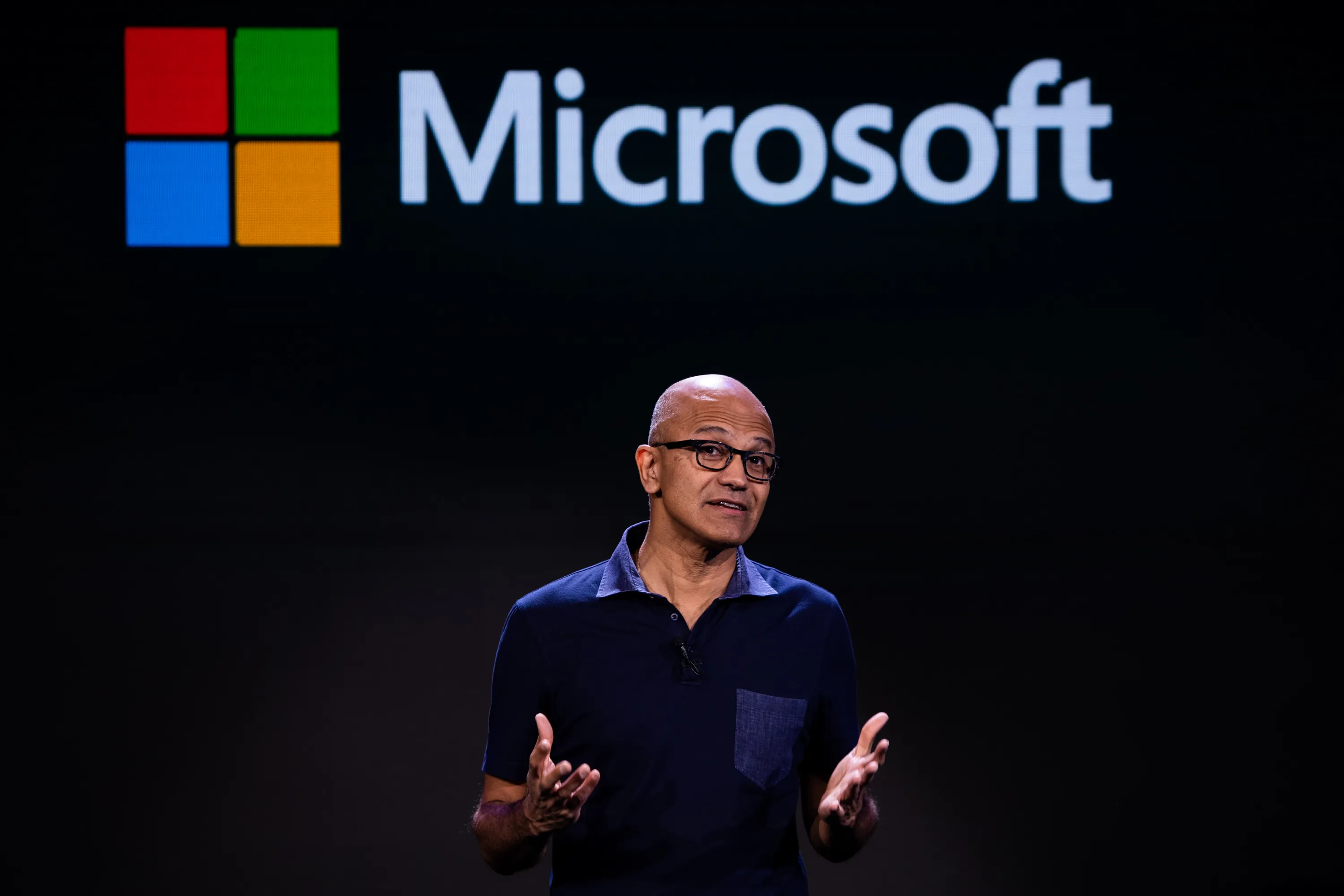
Microsoft announced a sweeping $17.5 billion investment package for India, marking the company’s largest financial commitment in Asia and reinforcing the country’s growing importance in the global AI and cloud ecosystem. The plan spans four years and expands significantly on the $3 billion pledge made earlier this year. The funding will be directed toward scaling hyperscale cloud capabilities, embedding artificial intelligence into India’s digital public platforms and driving large-scale workforce development.
The announcement followed a high-profile meeting in New Delhi between Microsoft CEO Satya Nadella and Prime Minister Narendra Modi, who has prioritized the creation of an AI-driven national ecosystem. Modi also held discussions with other U.S. tech executives, including Intel’s Lip-Bu Tan, amid an intensified push to attract advanced technology investment. Nadella wrote on social media that Microsoft’s expanded commitment will help India build the infrastructure, digital skills base and sovereign technologies needed for an AI-first future.
India is aggressively positioning itself as a global AI hub even as it works to close gaps with leading economies. The country has recently secured substantial hyperscale investment commitments, including $15 billion from Google for data centers and AI capacity building, and $8 billion from Amazon Web Services. Modi praised the impact of Microsoft’s investment, noting that India’s young population will leverage these resources to build new innovations and apply AI technology toward global challenges.
A key element of Microsoft’s plan focuses on expanding and upgrading its cloud footprint across India. The company currently operates both Sovereign Public Cloud and Sovereign Private Cloud services, which are designed to support customers requiring enhanced data residency, regulatory compliance and national digital sovereignty. The new investment is expected to add more data center regions, upgrade existing ones and integrate advanced AI compute capacity accessible to enterprises, government agencies and startups.
Microsoft also announced an expansion of its national skilling initiative. The company will now train 20 million Indians in AI and digital capabilities by 2030, doubling the commitment made in January. This aligns with India’s long-term workforce strategy as the country prepares millions of workers for AI-supported industries. Microsoft already employs more than 22,000 people in India across engineering, research and operations, and the new investment aims to deepen talent development tied to Azure AI and future cloud technologies.
In addition to infrastructure and talent development, Microsoft is integrating Azure AI into key government digital systems. Two platforms under the Ministry of Labour and Employment — including the National Career Service — will adopt Azure AI tools to support improved service delivery, better data insights and more efficient workforce matching. India’s Union Minister of Electronics and IT, Ashwini Vaishnaw, said the move reflects the country’s transition from digital public goods to AI-powered national platforms, a shift he believes will define the next phase of India’s technology leadership.
India’s race to advance AI infrastructure is occurring alongside major developments in its semiconductor ambitions. The government’s “India Semiconductor Mission” has already approved 10 chip manufacturing and packaging projects valued at more than $18 billion. On Monday, Intel signed an agreement with Tata Electronics to collaborate on chip development and offerings, including components geared toward AI applications. These partnerships underscore India’s strategy to build a full-stack technology ecosystem spanning AI, cloud computing and semiconductor production.
While India still trails leading markets in high-end chip manufacturing and advanced AI model development, the combination of massive domestic demand, government-backed digital infrastructure and growing global investment has positioned the country as a critical player in the next wave of technology growth. Microsoft’s $17.5 billion commitment marks a significant milestone in this trajectory and raises the competitive stakes among global tech firms looking to secure long-term positions in the region.

Popular articles


Subscribe to unlock premium content
Riding Waves and Wealth in Bali

The Billionaire’s Symphony

Stars, Silence, and Luxury in Chile

Riding Waves and Wealth in Bali
The Billionaire’s Symphony
Riding Waves and Wealth in Bali