Iran Unrest Escalates Amid Economic Crisis as U.S. Intervention Threat Looms

Iran Unrest Escalates Amid Economic Crisis as U.S. Intervention Threat Looms
By
Calder Monroe
Last updated:
January 6, 2026
First Published:
January 6, 2026

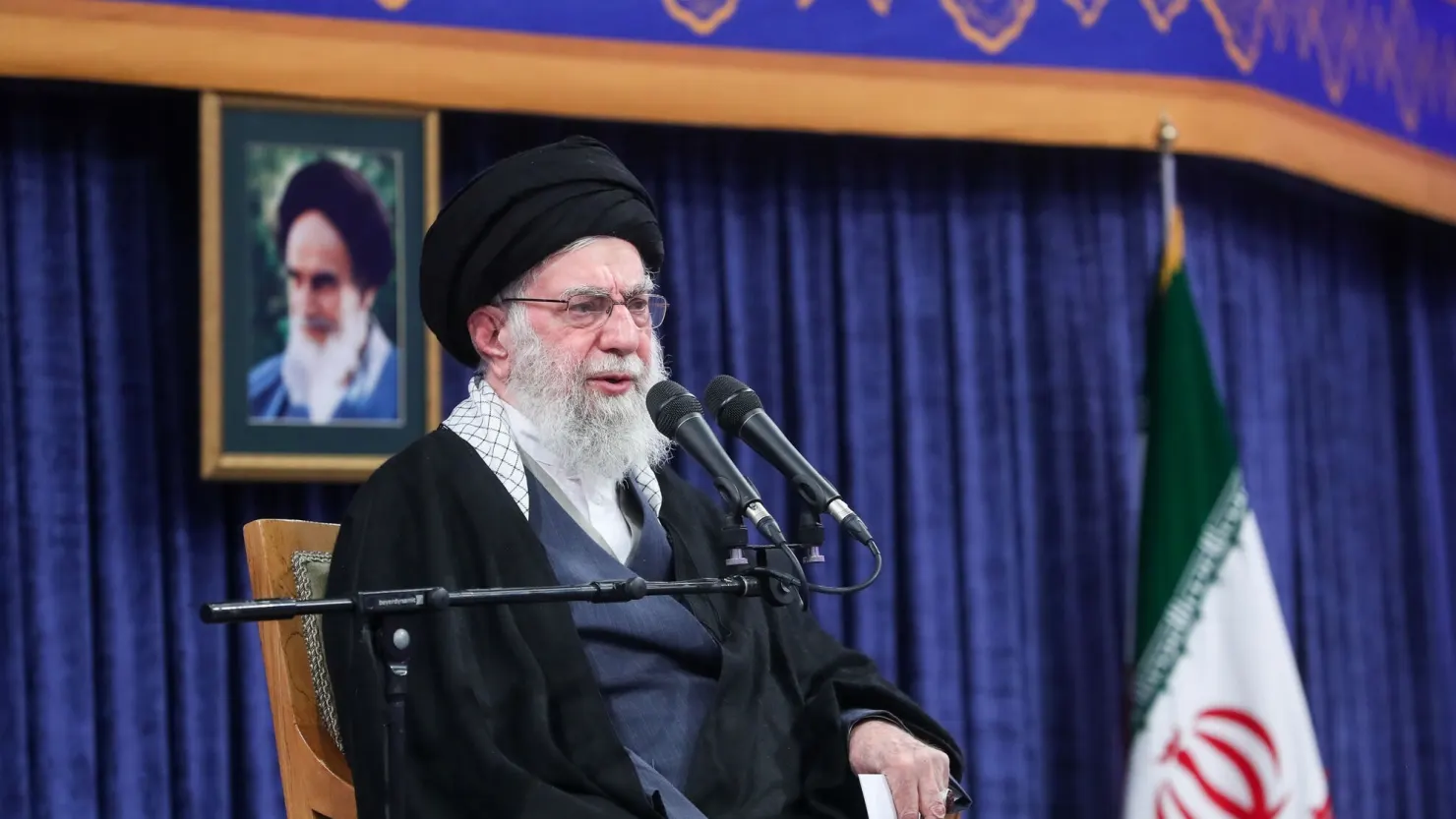
TEHRAN, IRAN - JANUARY 03: (----EDITORIAL USE ONLY - MANDATORY CREDIT - ‘IRANIAN LEADER PRESS OFFICE / HANDOUT’ - NO MARKETING NO ADVERTISING CAMPAIGNS - DISTRIBUTED AS A SERVICE TO CLIENTS----) Iranâs Supreme Leader Ali Khamenei speaks speaks in Tehran, Iran on January 03, 2026. (Photo by IRANIAN LEADER PRESS OFFICE/Anadolu via Getty Images)
Anadolu | Getty Images
Widespread anti-government demonstrations have gripped Iran for over a week, leaving at least 29 dead and more than 1,200 arrested, as citizens vent frustration over an ongoing economic collapse. The unrest, which began in Tehran’s bazaar on December 28, has now spread to more than 250 cities across 27 of Iran’s 31 provinces.
Iranian leaders are navigating a tense situation as protests have evolved from economic grievances into broader anti-regime sentiment. Demonstrators have called for political reform, anti-corruption measures, and relief from skyrocketing living costs, with some chanting “Death to the dictator,” directly referencing Supreme Leader Ayatollah Ali Khamenei. Tehran has responded with a mix of warnings and conciliatory measures. Khamenei declared that “rioters must be put in their place,” signaling a potential crackdown, while President Masoud Pezeshkian has urged dialogue and promised economic reforms.
Among the measures announced by the government is a monthly stipend of 10 million rials ($7) in electronic credit, redeemable at select grocery stores, and a planned overhaul of the foreign exchange subsidy system to provide direct consumer support instead of subsidizing importers—a system long criticized for corruption. Despite these efforts, protests continue to grow, reflecting deep-rooted economic and political dissatisfaction.
The unrest also carries heightened risks of U.S. intervention. Former President Donald Trump warned last week that the U.S. would act to defend protestors if they were attacked, stating Washington is “locked and loaded” and ready to respond. These warnings follow U.S. military action in Venezuela, where President Nicolás Maduro was captured and brought to New York for trial, reinforcing concerns over Trump’s aggressive foreign policy stance. Analysts at BMI Research warn that Iran’s leadership may exercise greater caution in using force against protestors, noting the history of U.S. strikes on Iranian nuclear facilities in 2025.
Iran’s economic crisis continues to compound the political instability. The rial collapsed in December to a record low of approximately 1.45 million rials per U.S. dollar, and inflation reached 42.5%. The country has been under severe pressure since the U.S. exited the 2018 nuclear deal and imposed stricter sanctions, intensified by a recent 12-day conflict with Israel.
Experts suggest that domestic economic turmoil poses a more immediate threat to Iran’s regime than potential foreign intervention. David Roche, an investor and strategist with Quantum Strategy, emphasized that the regime’s survival is unlikely to be determined by U.S. actions, but sustained protests combined with worsening economic conditions could destabilize the government over the long term. While the leadership is expected to weather this round of unrest, they currently lack the tools to effectively address Iran’s deepening economic crisis.
.webp)
Popular articles



Subscribe to unlock premium content
Fermenting Success in South Korea
Hidden Literary Treasures in the Age of Giants

Whispers of Wealth in Japan

Fermenting Success in South Korea
Hidden Literary Treasures in the Age of Giants
Fermenting Success in South Korea