Michael Burry Skips Bearish Bet on SpaceX, Citing Excessively Expensive Options Market

Michael Burry Skips Bearish Bet on SpaceX, Citing Excessively Expensive Options Market
By
Rachel Steinberg
Last updated:
June 17, 2026
First Published:
June 17, 2026


Getty Images
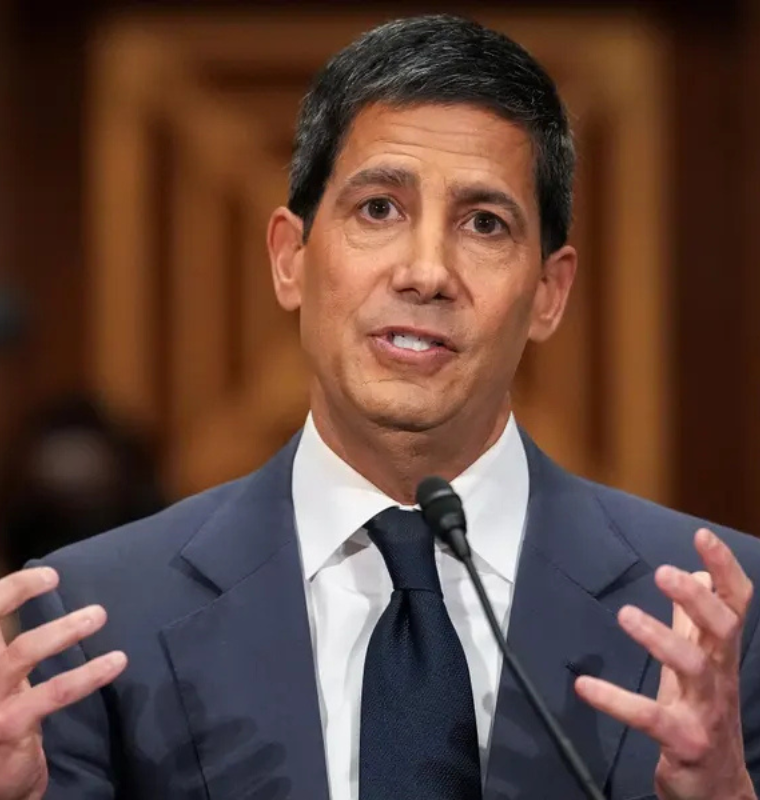
Michael Burry, the investor best known for predicting the 2008 U.S. housing collapse, has said he currently holds no position in SpaceX, despite expressing skepticism about the company’s rapidly expanding valuation and the pricing of bearish derivatives tied to its stock.
In comments shared on his Substack, Burry made clear he is neither long nor short the aerospace and satellite company, signaling a neutral stance driven not by conviction in the company’s fundamentals, but by what he views as unattractive risk-reward dynamics in the options market.
The remarks add another layer to the growing debate around SpaceX’s post-listing valuation surge, which has placed it among the most highly valued companies in the world within a remarkably short period of public trading.
Burry Questions Valuation but Avoids Trade Entry
Burry said he reviewed multiple put-option structures designed to profit from a decline in SpaceX’s stock price but ultimately decided against entering any position.
Among the contracts he analyzed were long-dated bearish options with strike prices significantly below the prevailing market level. One example he cited involved a December 2028 put option with a strike price near $100, priced at approximately $25 per contract while the underlying stock traded around $212.
He also referenced shorter-duration contracts, including a June 2027 option priced around $13 and a December 2026 contract near $6.75.
While acknowledging that some of the shorter-dated instruments appeared more tempting, he ultimately concluded that implied volatility and premium pricing made the trades unattractive from a risk-adjusted standpoint.
His assessment suggests that while he sees potential overvaluation risk in the underlying asset, the cost of expressing that view through derivatives is currently too high.
Concerns Over SpaceX’s Expanding Market Narrative
Beyond the options market, Burry also questioned the broader financial narrative surrounding SpaceX’s valuation, arguing that the company’s business model is being stretched across multiple high-growth sectors.
He characterized the company as a hybrid of several industries, combining aerospace launch services, satellite-based communications, and elements of consumer-facing technology platforms.
He also suggested that the firm’s reported revenue, estimated at under $20 billion annually, does not fully justify the scale of its implied valuation following its rapid post-IPO price appreciation.
SpaceX’s valuation has climbed into the multi-trillion-dollar range within days of its trading debut, driven by intense investor demand and momentum trading. The stock has risen more than 25% week to date after gaining roughly 20% in its first full trading session.
The rapid escalation has positioned the company ahead of many long-established global corporations in terms of market capitalization.
Comparison With Legacy Giants Intensifies Debate
One of Burry’s key points of emphasis was the scale of SpaceX’s valuation relative to traditional industrial conglomerates.
He noted that the company’s market capitalization has overtaken several legacy financial and industrial institutions that were built over decades, including firms with long histories of stable cash flow and diversified earnings.
The comparison has intensified debate among investors about whether SpaceX’s valuation reflects sustainable earnings expectations or speculative momentum tied to technological enthusiasm and scarcity premium.
Market observers have pointed out that SpaceX’s valuation is being driven not only by its current revenue streams but also by expectations surrounding future dominance in satellite internet infrastructure, reusable launch systems, and global connectivity platforms.
Expensive Options Reflect Elevated Market Expectations
The pricing of SpaceX derivatives highlights the intensity of current market positioning.
High implied volatility in long-dated options suggests that traders are pricing in large potential price swings in either direction over the next several years.
For bearish investors like Burry, this creates a difficult environment where downside protection is costly and timing risk becomes significant.
In practical terms, elevated option premiums mean that even if a stock declines, the cost of entering the trade may offset potential gains unless the move is both large and timely.
This dynamic has contributed to a broader hesitation among value-oriented investors who may agree with valuation concerns but are reluctant to pay up for convexity in the derivatives market.
Broader Market Context and AI-Driven Valuation Inflation
Burry’s comments come amid a wider environment of elevated valuations across high-growth technology sectors, particularly those tied to artificial intelligence, space infrastructure, and advanced computing.
Investor enthusiasm has been fueled by expectations of long-term structural growth in these industries, often leading to valuation models that rely heavily on future cash flow assumptions rather than current earnings.
He has previously warned that market behavior increasingly resembles speculative cycles seen during the dot-com era, where narrative-driven investing temporarily outweighed traditional valuation metrics.
His latest stance reinforces that skepticism, even as he refrains from directly positioning against the trend.
Elon Musk’s Expanding Influence and Market Impact
SpaceX’s rapid valuation expansion has also contributed to heightened attention on Elon Musk’s broader business empire.
The company’s market debut has reinforced Musk’s position as one of the most influential figures in global capital markets, with his portfolio of companies spanning electric vehicles, artificial intelligence, social media, and space infrastructure.
The surge in SpaceX’s valuation has further amplified debate over concentration risk in large-cap technology exposure and the extent to which investor enthusiasm is concentrated around a small number of dominant figures and platforms.
A Neutral Stance in an Overheated Market Debate
Burry’s decision to stay on the sidelines reflects a nuanced view rather than outright conviction in either direction.
On one hand, he expresses concern that SpaceX may be priced beyond fundamental justification. On the other, he sees limited opportunity in expressing that view through current derivatives markets due to elevated costs and volatility pricing.
This combination of skepticism without participation highlights a broader challenge in modern markets, where high-growth assets often generate strong directional opinions but limited attractive hedging opportunities.
.webp)
Popular articles



Subscribe to unlock premium content
Step Into the Future of Art

London’s Gourmet Playgrounds

The New Frontier of Children’s Entertainment

Step Into the Future of Art
London’s Gourmet Playgrounds
Step Into the Future of Art