Intel Pushes Into Next-Generation Chip Manufacturing as 18A-P Enters Early Production

Intel Pushes Into Next-Generation Chip Manufacturing as 18A-P Enters Early Production
By
David Goldfarb
Last updated:
June 17, 2026
First Published:
June 17, 2026

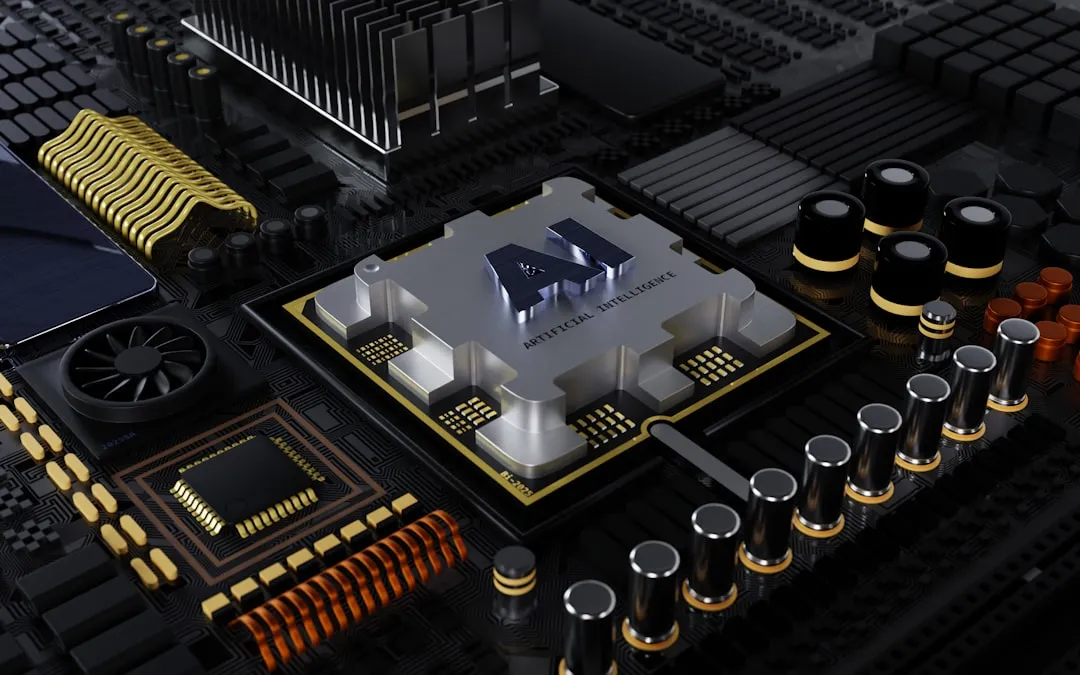
Intel has reached a significant milestone in its long-term turnaround strategy, launching early production of its most advanced semiconductor manufacturing process to date. The development marks another important step in the company's effort to reestablish itself as a leading global chipmaker and compete directly with industry giants that currently dominate the advanced foundry market.
The new manufacturing node, known as 18A-P, represents Intel's latest attempt to transform its business from primarily producing chips for its own products into a world-class contract manufacturer capable of building advanced processors for some of the world's largest technology companies.
As competition intensifies across the semiconductor industry, the success of 18A-P could play a crucial role in determining whether Intel can secure major external customers and regain technological leadership in advanced chip production.
Intel Advances Its Most Sophisticated Manufacturing Technology
Intel announced that 18A-P has officially entered what the semiconductor industry refers to as "risk production," a critical stage in the manufacturing process that occurs before full-scale commercial deployment.
Risk production allows manufacturers to validate production capabilities, optimize yields, test reliability, and ensure that chips meet customer requirements before mass manufacturing begins.
Reaching this stage is considered a major achievement because it demonstrates confidence that the technology is approaching commercial readiness.
The 18A-P process builds upon Intel's existing 18A technology and introduces several enhancements designed to improve performance, power efficiency, and thermal management.
According to the company, the new process can deliver:
- Up to 9% higher performance compared with standard 18A
- Approximately 18% lower power consumption
- More than 20% improved thermal resistance
- Full compatibility with existing 18A manufacturing infrastructure
These improvements are increasingly important as artificial intelligence, cloud computing, and high-performance computing applications demand more powerful and energy-efficient chips.
A Critical Part of Intel's Turnaround Strategy
The launch of 18A-P is about much more than a new manufacturing process.
It represents a key component of Intel's broader strategy to rebuild its position within the global semiconductor industry after years of manufacturing setbacks and increased competition from overseas rivals.
For much of the last decade, Intel struggled with production delays, process technology challenges, and declining manufacturing leadership. During that period, competitors gained market share and established stronger positions in advanced semiconductor fabrication.
In response, Intel launched an ambitious transformation plan focused on restoring manufacturing excellence while building a large-scale foundry business capable of producing chips for third-party customers.
The company has invested tens of billions of dollars into new factories, advanced research, and next-generation process technologies as part of that effort.
The success of 18A-P is widely viewed as one of the most important tests of whether that strategy is working.
The Search for Major Foundry Customers
While Intel has already begun using its advanced manufacturing technologies for some of its own products, securing major external customers remains one of the company's most important objectives.
Industry analysts believe the 18A-P process may serve as a more compelling demonstration of Intel's capabilities than earlier versions of the technology.
Potential customers are closely monitoring several key factors, including:
- Manufacturing yields
- Reliability
- Production scalability
- Cost competitiveness
- Performance metrics
- Power efficiency
Yield rates are particularly important because they determine how many functional chips can be produced from each silicon wafer.
In advanced semiconductor manufacturing, even small improvements in yield can dramatically impact profitability and customer confidence.
Many industry experts suggest that achieving yield levels above 90% would significantly strengthen Intel's position when competing for future contracts.
Apple Speculation Highlights Growing Industry Interest
One of the most closely watched developments surrounding Intel's foundry ambitions involves speculation about a potential relationship with Apple.
Industry observers have increasingly discussed the possibility that Apple could eventually use Intel's manufacturing technology for certain future products.
Although no formal agreement has been announced, reports of preliminary discussions have fueled investor optimism and increased attention on Intel's manufacturing progress.
Apple represents one of the most desirable customers in the semiconductor industry due to its enormous chip volumes and reputation for demanding cutting-edge performance.
However, winning such business remains challenging.
Apple's custom processors are built using Arm-based architecture rather than Intel's traditional x86 ecosystem, meaning Intel must demonstrate that its manufacturing capabilities can effectively support a broader range of chip designs.
The company will need to prove that it can reliably produce advanced Arm-based processors at scale before securing significant contracts from customers operating outside its historical technology base.
Competing Against an Industry Leader
Intel's foundry ambitions place it in direct competition with Taiwan Semiconductor Manufacturing Company (TSMC), the dominant force in global contract chip production.
TSMC currently manufactures advanced processors for many of the world's leading technology companies, including Apple, Nvidia, AMD, Qualcomm, and numerous AI-focused firms.
The company maintains a significant lead in the global foundry market, controlling well over half of worldwide contract chip manufacturing revenue.
TSMC continues expanding aggressively, investing hundreds of billions of dollars into new facilities and advanced production technologies.
Its growing semiconductor campus in Arizona further intensifies competition with Intel, creating a high-stakes battle for manufacturing leadership within the United States.
For Intel, success will depend not only on matching technological capabilities but also on demonstrating consistent execution and reliability over multiple production generations.
AI Demand Is Creating New Opportunities
The rapid growth of artificial intelligence is creating favorable conditions for advanced semiconductor manufacturers.
AI workloads require increasingly powerful processors, specialized accelerators, and advanced packaging solutions that can handle massive computational demands.
As global spending on AI infrastructure accelerates, demand for cutting-edge manufacturing technologies continues to rise.
This environment creates an opportunity for Intel to attract customers seeking additional manufacturing capacity beyond existing suppliers.
The AI boom has also increased the importance of advanced packaging technologies, an area where Intel believes it holds competitive advantages.
Advanced Packaging Could Become a Major Growth Driver
While much attention focuses on manufacturing nodes such as 18A-P, advanced packaging has emerged as one of the fastest-growing segments of the semiconductor industry.
Modern AI processors often consist of multiple chiplets connected together through sophisticated packaging technologies that improve performance, efficiency, and scalability.
Intel's Embedded Multi-Die Interconnect Bridge (EMIB) technology has become one of its strongest competitive assets.
The technology enables multiple semiconductor components to be integrated into a single package, creating more powerful and efficient computing systems.
As demand for AI accelerators, high-performance computing systems, and next-generation data center hardware grows, advanced packaging could become a significant source of revenue for Intel.
Many industry analysts believe packaging services may provide one of the quickest paths for Intel to win new customers while its foundry business continues maturing.
Investors Are Betting on a Manufacturing Revival
Investor confidence in Intel has improved considerably as the company demonstrates progress across its manufacturing roadmap.
The market increasingly views advanced process technologies like 18A-P as evidence that Intel's turnaround strategy may be gaining momentum.
Confidence has also been supported by strategic investments, government support for domestic semiconductor manufacturing, and growing demand for AI-related infrastructure.
However, significant challenges remain.
Intel must continue proving that its manufacturing technology can compete with industry leaders while delivering the consistency, scale, and economics required by major customers.
The transition from internal chip producer to global foundry powerhouse will likely take several years and require flawless execution across multiple technology generations.
The Road Ahead for Intel Foundry
The move into risk production for 18A-P marks a meaningful milestone, but it is only one step in a much larger journey.
The coming months will be critical as Intel works toward full qualification, customer validation, and commercial deployment of the technology.
Success could help the company attract major external clients, strengthen its position in advanced manufacturing, and establish itself as a credible alternative within the global foundry market.
Failure, however, would make it significantly more difficult to close the gap with established competitors.
For now, the semiconductor industry is watching closely as Intel attempts one of the most ambitious manufacturing comebacks in modern technology history.
.webp)
Popular articles



Subscribe to unlock premium content
Step Into the Future of Art

London’s Gourmet Playgrounds

The New Frontier of Children’s Entertainment

Step Into the Future of Art
London’s Gourmet Playgrounds
Step Into the Future of Art