Everlane — The Startup Redefining Fashion Through Radical Transparency

Everlane — The Startup Redefining Fashion Through Radical Transparency
By
Alina Sinclair
Last updated:
June 17, 2026
First Published:
June 17, 2026


Everlane – Minimalism Meets Transparency
Founded in 2010, Everlane is a U.S.-based fashion startup known for its minimalist clothing and “radical transparency” business model. The company designs modern wardrobe essentials—T-shirts, denim, shoes, and outerwear—while openly sharing the true cost breakdown of each product, including materials, labor, transportation, and markup.
Everlane’s mission is to change how consumers think about fashion by making ethical manufacturing and honest pricing the standard rather than the exception. Its clean aesthetic and direct-to-consumer model helped it stand out in an industry dominated by opaque supply chains and fast fashion pricing strategies.
Founding Story
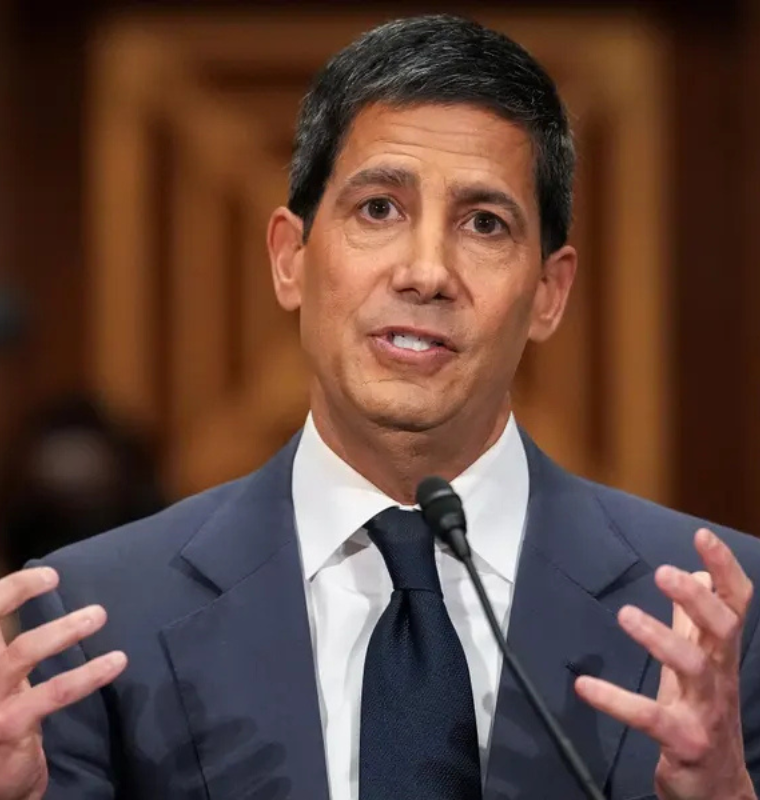
Everlane was founded by Michael Preysman, an entrepreneur who became frustrated with the lack of transparency in traditional retail pricing. He discovered that a simple T-shirt sold in stores often had a markup of several hundred percent, with little clarity on production costs or sourcing ethics.
Preysman partnered with Jesse Farmer to build a brand that would strip away this opacity. They launched Everlane as an online-only retailer, cutting out middlemen and presenting customers with detailed cost breakdowns for each product.
From the beginning, the idea was not just to sell clothing—but to educate consumers on how fashion pricing works behind the scenes.
Funding and Growth Milestones
Everlane grew steadily by combining venture funding with strong consumer demand for ethical fashion:
- 2011: Initial launch with a small curated collection of T-shirts and basics.
- 2012: Raised early seed funding, enabling expansion of product categories and website infrastructure.
- 2014: Expanded into denim and footwear, becoming a full lifestyle basics brand.
- 2015: Raised approximately $15M Series A funding to scale operations and international shipping.
- 2017: Revenue reportedly surpassed $100M annually, driven by strong direct-to-consumer growth.
- 2019: Expanded retail presence with select physical “Everlane Stores” in major U.S. cities.
- 2020–2022: Faced restructuring and leadership changes while continuing global e-commerce growth.
Everlane is now considered one of the most influential early direct-to-consumer fashion startups.
Business Model and Technology
Everlane operates on a direct-to-consumer (DTC) model that eliminates traditional retail markups:
- Radical Transparency Pricing: Each product page shows material cost, labor cost, transportation cost, and final markup.
- Ethical Manufacturing: Partners with factories globally that meet strict labor and environmental standards.
- Minimalist Product Design: Focuses on timeless wardrobe essentials rather than trend-driven fast fashion.
- E-commerce First Model: Primary sales occur online, reducing overhead from physical retail.
- Inventory Strategy: Small, curated drops reduce waste and overproduction.
Revenue is generated through direct product sales, seasonal collections, and repeat customer purchases driven by brand loyalty.
Market Impact
Everlane has had a significant influence on modern fashion retail:
- Transparency Movement: Popularized the idea that brands should disclose production costs and sourcing.
- Shift in Consumer Behavior: Helped normalize ethical consumption among younger shoppers.
- Direct-to-Consumer Wave: Inspired a generation of DTC startups in fashion and lifestyle products.
- Sustainability Awareness: Increased demand for ethically produced clothing and reduced-waste production models.
The brand positioned itself at the intersection of sustainability, design, and consumer education.
Challenges and Controversies
Despite its ethical branding, Everlane has faced several challenges:
- Labor Concerns: Reports and allegations surfaced regarding workplace culture and factory conditions, prompting public scrutiny.
- Leadership Issues: Internal leadership controversies led to executive departures and reputational damage.
- Scaling Ethics: Maintaining strict ethical sourcing becomes more complex as production volume increases.
- Market Competition: Competes with both fast fashion giants and new sustainable brands entering the DTC space.
Everlane has responded by reinforcing supplier standards, improving internal policies, and increasing oversight of manufacturing partners.
Future Outlook
Everlane continues to evolve in a highly competitive fashion landscape:
- Product Expansion: Broadening into outerwear, footwear innovation, and sustainable materials.
- Sustainability Goals: Increasing use of recycled fabrics and lower-impact production methods.
- Global Growth: Expanding e-commerce reach beyond the U.S. into Europe and Asia.
- Brand Repositioning: Strengthening transparency messaging while rebuilding consumer trust.
The company’s future depends on balancing scale with the ethical principles that originally defined its identity.
From a small online experiment to a globally recognized fashion brand, Everlane demonstrates how transparency can become a powerful business strategy. By exposing the hidden mechanics of clothing production, Michael Preysman and his team reshaped consumer expectations around pricing, ethics, and design.
Everlane’s story shows that in modern retail, honesty itself can become a competitive advantage—especially when paired with strong design and a clear mission.
.webp)
Popular articles



Subscribe to unlock premium content
Step Into the Future of Art

London’s Gourmet Playgrounds
The New Frontier of Children’s Entertainment

Step Into the Future of Art
London’s Gourmet Playgrounds
Step Into the Future of Art