Marvell Jumps on Google AI Chip Deal Buzz While Broadcom Faces Market Pressure

Marvell Jumps on Google AI Chip Deal Buzz While Broadcom Faces Market Pressure
By
Alina Sinclair
Last updated:
April 21, 2026
First Published:
April 21, 2026


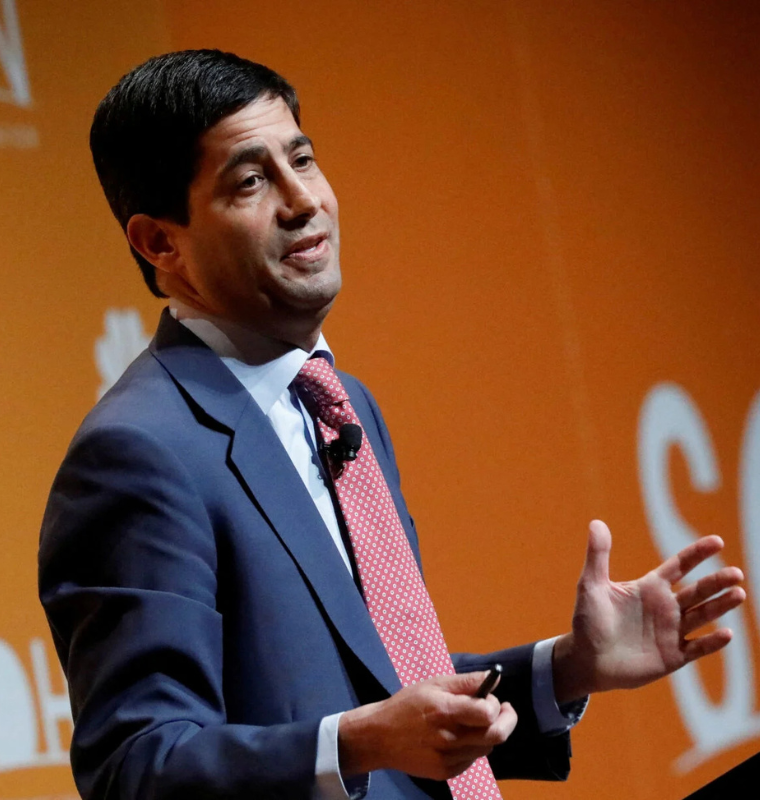
Photo: Tech in Asia
Marvell Technology shares surged sharply after reports surfaced that the company is set to play a key role in developing new custom AI chips for Google. The news triggered a strong market reaction, with Marvell stock climbing nearly 6 percent in a single session, extending an already impressive rally fueled by booming demand for artificial intelligence infrastructure.
The reported collaboration marks a strategic shift for Google, which has historically relied heavily on Broadcom for the design of its in-house Tensor Processing Units, or TPUs. While the partnership between Google and Broadcom remains intact and has recently been extended through 2031, the potential inclusion of Marvell signals a broader diversification strategy by the tech giant as it scales its AI capabilities.
According to industry reports, Marvell could be involved in designing two new chips for Google, including a next-generation TPU and a memory-centric processor tailored for AI workloads. These chips are expected to play a critical role in powering large-scale machine learning models, data processing, and cloud-based AI services. Neither company has officially confirmed the deal, but the market response reflects strong confidence in Marvell’s growing position within the AI ecosystem.
Meanwhile, Broadcom shares slipped करीब 2 percent following the news, reflecting investor concerns about increased competition. Despite the dip, Broadcom remains deeply embedded in Google’s chip development roadmap and continues to benefit from major deals across the tech sector. Notably, Meta recently committed to deploying up to 1 gigawatt of its custom MTIA chips using Broadcom technology, underscoring its continued dominance in the space.
Both Marvell and Broadcom operate in a critical segment of the semiconductor value chain, helping tech companies convert chip designs into manufacturable silicon. This backend expertise has become increasingly valuable as hyperscalers like Google, Amazon, and Microsoft invest heavily in building proprietary AI accelerators to reduce reliance on third-party chips and lower long-term costs.
Marvell’s momentum has been building for months. The stock gained over 20 percent in March following strong quarterly results and optimistic forward guidance tied to AI demand. It has continued to climb in April, rising nearly 50 percent month-to-date. Adding to its credibility, Nvidia announced a $2 billion investment in Marvell earlier this year, strengthening collaboration between the two companies and improving access to custom ASIC solutions for large-scale AI deployments.
Google’s evolving chip strategy reflects broader industry trends. Since launching its first TPU in 2015, the company has steadily expanded its in-house silicon capabilities, with its latest seventh-generation “Ironwood” TPU released in late 2025. These chips are now widely used not only internally but also by major players like Meta, Anthropic, and Apple through Google Cloud, positioning Google as a serious competitor in the AI hardware market.
At the same time, supply chain constraints continue to shape the competitive landscape. Memory shortages remain a key bottleneck for AI chip production, with major suppliers like Micron, SK Hynix, and Samsung struggling to keep up with surging demand. This has increased the importance of efficient chip design and integration, areas where companies like Marvell are gaining traction.
The broader implication is clear: the race to dominate AI infrastructure is intensifying. Tech giants are no longer relying on a single partner but are instead building diversified ecosystems of chip designers, manufacturers, and software providers. For investors, this creates both opportunity and volatility, as market leaders can shift quickly based on strategic partnerships and technological breakthroughs.
Marvell’s latest surge highlights how quickly sentiment can change in this environment. As demand for AI compute continues to accelerate, companies positioned at the intersection of custom silicon and cloud infrastructure are likely to remain at the center of investor attention.
.webp)
Popular articles



Subscribe to unlock premium content
Hidden Travel Gems That Boost Creativity According to Billionaires

How Streetwear Became a Billion-Dollar Industry From Niche to Mainstream

How Harry Potter Became a Global Brand and Took Over the Muggle World

Hidden Travel Gems That Boost Creativity According to Billionaires
How Streetwear Became a Billion-Dollar Industry From Niche to Mainstream
Hidden Travel Gems That Boost Creativity According to Billionaires