Japan’s Export Surge Hits Multi-Year High as AI Chip Demand Powers Trade Growth

Japan’s Export Surge Hits Multi-Year High as AI Chip Demand Powers Trade Growth
By
Alina Sinclair
Last updated:
June 17, 2026
First Published:
June 17, 2026

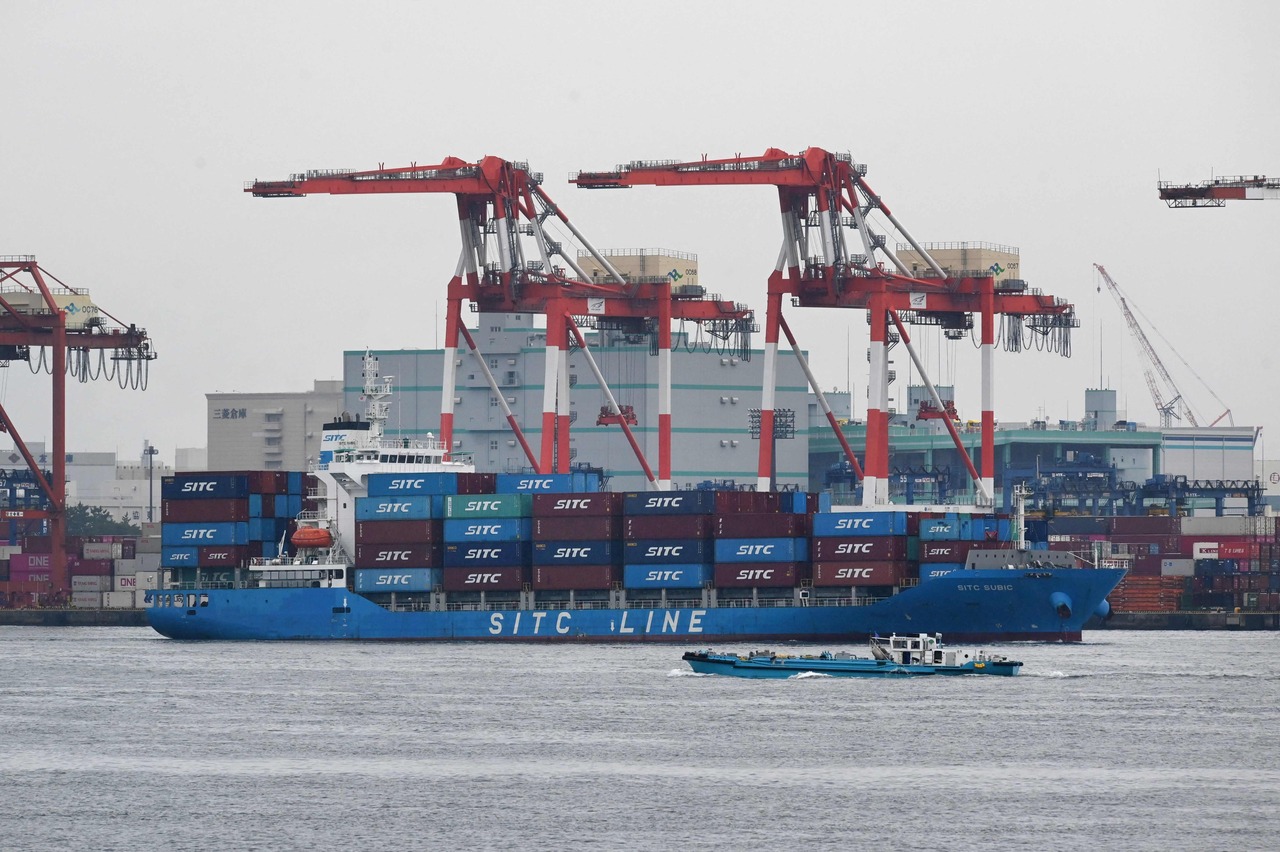
Photo: The Straits Times
Japan's export sector delivered a powerful performance in May, posting its strongest growth rate in more than three years as booming global demand for semiconductors and automobiles fueled a sharp increase in overseas shipments. The latest trade data underscores the growing importance of artificial intelligence-related technologies in supporting the world's fourth-largest economy while highlighting the resilience of Japanese manufacturers in an increasingly complex global environment.
The stronger-than-expected figures come at a critical moment for Japan as policymakers navigate rising inflation, a weaker currency, and shifting global trade dynamics. While exports continue to serve as one of the country's most important economic engines, economists caution that maintaining this pace may become increasingly difficult amid slowing global growth and geopolitical uncertainty.
Exports Deliver Strongest Growth Since Late 2022
Japan's exports climbed 17% year-over-year in May, marking the fastest annual increase since November 2022 and exceeding market forecasts of 16.2%.
The result also represented an acceleration from April's already impressive 14.8% growth rate, highlighting the continued strength of international demand for Japanese products.
The increase demonstrates the ability of Japanese exporters to capitalize on robust demand from major trading partners, particularly in high-value sectors such as semiconductors, advanced manufacturing equipment, and automobiles.
However, a closer look at the data reveals an important detail. While export values surged significantly, shipment volumes increased by only 0.5%.
This suggests that much of the rise in export earnings was driven by higher prices, favorable exchange rate effects, and the continued weakness of the Japanese yen rather than a substantial increase in physical shipment volumes.
A weaker yen makes Japanese products more competitive abroad by lowering prices for foreign buyers while boosting the value of overseas revenues when converted back into Japanese currency.
AI Boom Fuels Massive Semiconductor Export Growth
One of the standout drivers behind Japan's export surge was the semiconductor industry.
Exports of semiconductors skyrocketed 61.2% compared with the same period a year earlier, reflecting the extraordinary global demand generated by the artificial intelligence revolution.
As companies worldwide invest heavily in AI infrastructure, data centers, cloud computing systems, and advanced computing technologies, demand for semiconductor components has risen dramatically.
Japan remains a critical player in the global semiconductor ecosystem, supplying advanced materials, manufacturing equipment, precision components, and specialized technologies essential for chip production.
The AI-driven investment cycle has created new opportunities for Japanese manufacturers across multiple segments of the technology supply chain.
Industry analysts note that AI-related spending has become one of the strongest growth drivers in global technology markets, helping offset weakness in other areas of the electronics sector.
Automobile Exports Continue to Support Trade Performance
In addition to semiconductors, Japan's automotive industry remained a major contributor to export growth.
Vehicle exports increased 16.4% year-over-year, reflecting sustained international demand for Japanese cars and automotive components.
Japan remains one of the world's largest automobile exporters, with globally recognized brands maintaining strong positions across North America, Asia, Europe, and emerging markets.
The sector continues to benefit from:
- Strong global brand recognition
- Advanced manufacturing capabilities
- High-quality engineering standards
- Growing demand for hybrid technologies
- Expanding export opportunities in emerging economies
Automobiles remain one of Japan's most valuable export categories and continue to play a central role in supporting industrial production and employment.
China and the United States Drive Demand
Trade with Japan's two largest export destinations remained particularly strong during May.
Exports to China surged 17.9% compared with a year earlier, highlighting continued demand from the country's largest trading partner despite broader concerns about China's economic slowdown.
At the same time, exports to the United States rose 12.5%, demonstrating resilience in one of Japan's most strategically important overseas markets.
Together, China and the United States account for a substantial portion of Japan's export activity and remain critical to the country's economic outlook.
The strong performance in both markets helped offset weakness elsewhere and contributed significantly to the overall increase in exports.
Middle East Trade Impacted by Regional Conflict
Not all regions experienced positive trade trends.
Exports to the Middle East fell sharply, declining 32% compared with the previous year.
The decrease reflects the economic disruptions caused by geopolitical tensions and conflict in the region, which affected trade flows, transportation routes, and business activity.
Regional instability has also contributed to volatility in global energy markets, creating additional challenges for importers and exporters worldwide.
The decline serves as a reminder that geopolitical developments remain an important factor influencing international trade performance.
Import Growth Reaches Highest Level Since January
Japan's imports also recorded strong growth during May, rising 12.5% from a year earlier.
Although slightly below economist forecasts of 12.8%, the figure marked the fastest import expansion since January and reflected improving domestic demand and higher import costs.
Import growth often signals healthy economic activity, as businesses increase purchases of raw materials, components, machinery, and consumer goods.
However, the data also revealed significant variations across categories.
Petroleum imports declined 28.5% year-over-year as geopolitical tensions in the Middle East disrupted energy markets and affected purchasing patterns.
Energy remains one of Japan's most important import categories due to the country's heavy reliance on imported fuel and natural resources.
Export Strength Continues to Support Economic Growth
Exports remain a crucial pillar of Japan's economy.
The country recorded quarterly economic growth of 0.5% during the first quarter, translating into an annualized growth rate of approximately 1.8%.
Strong export performance has been a major contributor to that expansion, helping offset challenges in domestic consumption and broader global economic uncertainty.
Manufacturing activity, corporate investment, and business sentiment have all benefited from stronger international demand.
Recent surveys of large Japanese manufacturers also point toward improving confidence within the business community.
Positive sentiment among industrial companies suggests that many firms remain optimistic about future demand conditions despite external risks.
Bank of Japan Balances Growth and Inflation Challenges
The trade figures arrive shortly after the Bank of Japan raised its benchmark interest rate by 25 basis points to 1%, the highest level in more than three decades.
The move reflects growing confidence that Japan has finally emerged from years of ultra-low inflation and stagnant price growth.
At the same time, policymakers continue to face challenges associated with the weak yen.
While a weaker currency supports exports and corporate profits, it also increases the cost of imported goods and energy, placing pressure on households through higher inflation.
This creates a delicate balancing act for policymakers attempting to support economic growth while maintaining price stability.
Future monetary policy decisions will likely depend on developments in inflation, wage growth, consumer spending, and global economic conditions.
Can Japan Sustain Its Export Momentum?
Despite the impressive May results, economists remain cautious about the longer-term outlook.
The current AI-driven technology boom is providing substantial support for semiconductor-related exports and high-tech manufacturing.
However, broader global demand remains uneven.
Slower economic growth in several major economies, ongoing geopolitical tensions, and uncertainties surrounding global trade could eventually limit export growth outside of AI-related sectors.
Many analysts expect Japan's export performance to remain solid in the near term but gradually moderate as the exceptional boost from technology demand normalizes.
Nevertheless, the latest figures confirm that Japan remains a key beneficiary of the global AI investment cycle and continues to hold a critical position within international manufacturing and technology supply chains.
.webp)
Popular articles



Subscribe to unlock premium content
Step Into the Future of Art

London’s Gourmet Playgrounds

The New Frontier of Children’s Entertainment

Step Into the Future of Art
London’s Gourmet Playgrounds
Step Into the Future of Art