Japan Heads to the Polls Early as Takaichi Seeks a Stronger Mandate

Japan Heads to the Polls Early as Takaichi Seeks a Stronger Mandate
By
David Goldfarb
Last updated:
January 20, 2026
First Published:
January 20, 2026

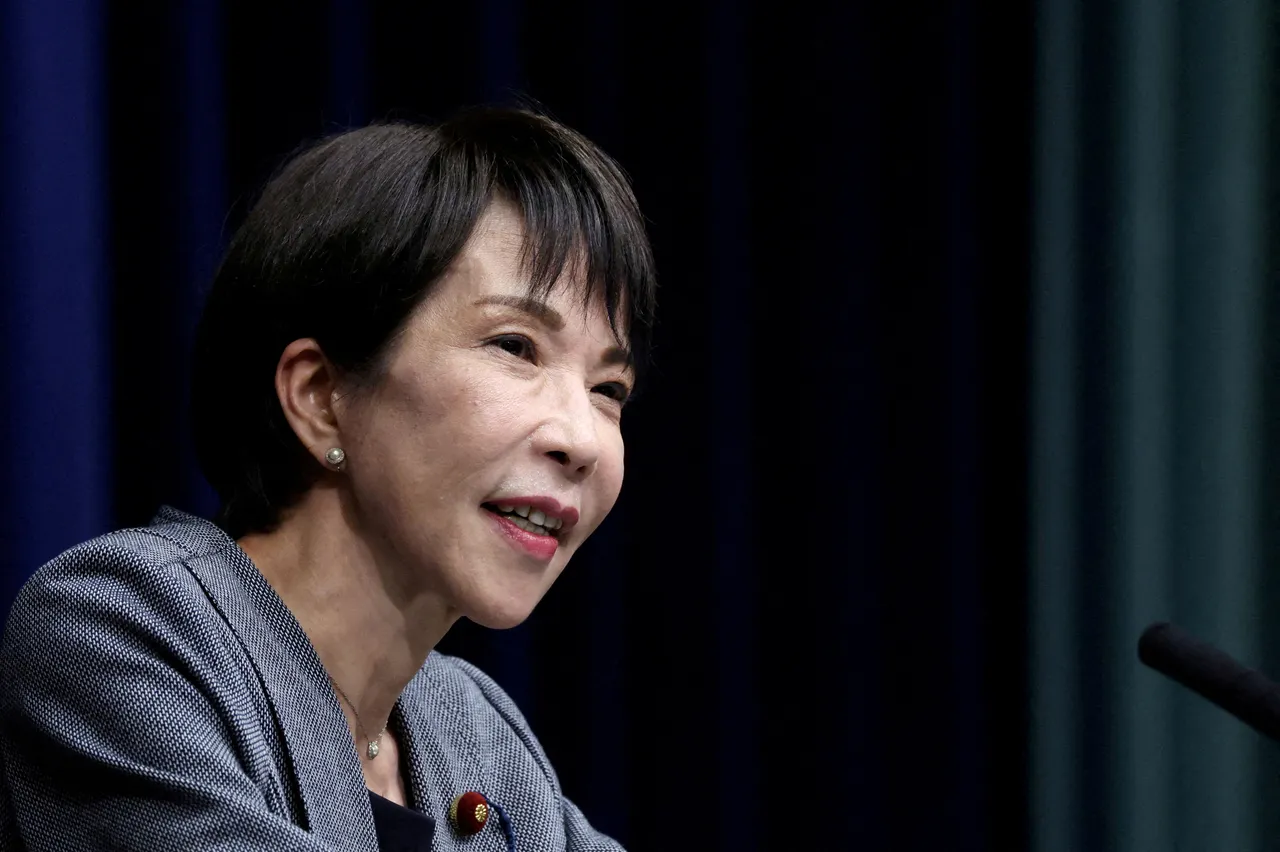
Photo: TRT World
A Surprise Election Call
Less than six months after taking office, Japanese Prime Minister Sanae Takaichi has called a snap general election, dissolving the Lower House on January 23 and sending voters to the polls on February 8. The decision is striking given that the current parliamentary term was set to run until October 2028.
By calling an early vote, Takaichi is effectively tying her political future to the outcome. She has framed the election as a direct referendum on her leadership, asking voters to decide whether they trust her to steer Japan through an increasingly complex economic and diplomatic environment.
Riding High Personal Approval
Takaichi enters the campaign with unusually strong public support for a new prime minister. Recent surveys show her approval rating at 62 percent in an NHK poll, with other major polls placing her support between 70 and nearly 80 percent. One nationwide survey recorded approval as high as 78.1 percent, while another put it at 75 percent.
This level of popularity is rare in Japanese politics and reflects voter confidence in her leadership style, communication, and personal background. However, the popularity gap between Takaichi and her party is stark. The Liberal Democratic Party’s approval rating stands below 30 percent, underscoring a disconnect between support for the prime minister and confidence in the broader ruling establishment.
A Fragile Parliamentary Majority
The snap election comes at a moment of political vulnerability for the ruling bloc. The LDP and its junior coalition partner currently control 230 of the 456 seats in the Lower House. With the informal backing of three independents, the coalition holds power by a margin of just one seat.
Such a narrow majority limits legislative flexibility and weakens Japan’s negotiating position abroad. A decisive electoral win would give Takaichi greater authority at home and abroad, particularly in upcoming discussions with key allies. A potential meeting with U.S. President Donald Trump as early as March has been widely anticipated, and a stronger mandate would allow her to negotiate from a position of confidence.
Economic and Diplomatic Timing
Supporters of the snap election argue that timing is central to the strategy. Japan faces mounting external risks, including slowing global growth, persistent inflation pressures, and rising regional instability. Relations with China have deteriorated in recent months, with Beijing imposing export controls on certain dual-use items bound for Japan and issuing travel advisories to Chinese citizens.
Tensions escalated further after Takaichi stated in parliament that a Chinese attempt to seize Taiwan by force could trigger intervention by Japan’s Self-Defense Forces. While the remarks reassured some voters about national security, they have also increased diplomatic friction that could weigh on public sentiment over time.
Calling an election now allows Takaichi to seek a renewed mandate before these risks begin to dominate the domestic narrative.
A Reorganized Opposition
Despite Takaichi’s personal popularity, the election outcome is far from guaranteed. The opposition has recently regrouped in a way that could significantly challenge the LDP’s dominance. In mid-January, the Constitutional Democratic Party of Japan joined forces with Komeito, the LDP’s former coalition partner of more than two decades, to form a new political bloc known as the Centrist Reform Alliance.
Together, the alliance controls 172 seats, giving it a stronger organizational base and a clearer alternative to the ruling coalition. Without Komeito’s nationwide grassroots network, many LDP candidates may struggle in closely contested districts, particularly in urban areas where voter loyalty is weaker.
Calculated Gamble or Political Overreach
Political analysts remain divided on whether Takaichi’s decision is bold or risky. Critics argue that while she is personally popular, that support may not automatically transfer to LDP candidates. A unified opposition and lingering dissatisfaction with the party could blunt the impact of her approval ratings.
Others see the move as a calculated gamble with significant upside. Takaichi’s personal story and leadership image resonate strongly with younger voters and first-time participants. Her appeal, rooted less in policy detail and more in narrative and symbolism, could drive higher turnout and deliver a decisive victory.
Supporters describe her as a rare figure in Japanese politics, someone whose rise reflects persistence rather than pedigree. That personal connection, rather than economic reform agendas or party loyalty, may prove to be the decisive factor at the ballot box.
What Is at Stake
The snap election will determine far more than the size of the LDP’s majority. It will shape Japan’s economic policy direction, its stance toward China, and its diplomatic leverage with the United States and other allies.
For Takaichi, the vote is a high-stakes test. A clear win would consolidate her authority and stabilize her government for years. A weak result or loss of the majority would expose the limits of personal popularity in a system still deeply shaped by party politics.
.webp)
Popular articles



Subscribe to unlock premium content
Colombia’s Coffee Regions Are Becoming Luxury Travel Destinations Hidden in the Highlands

Chile’s Desert Skies Are Becoming the World’s Most Exclusive Destination

The Rise of Heritage Manor Stays in the United Kingdom Countryside

Colombia’s Coffee Regions Are Becoming Luxury Travel Destinations Hidden in the Highlands
Chile’s Desert Skies Are Becoming the World’s Most Exclusive Destination
Colombia’s Coffee Regions Are Becoming Luxury Travel Destinations Hidden in the Highlands