India’s E-Commerce Boom Shifts to Small Towns as Growth Accelerates at Record Pace

India’s E-Commerce Boom Shifts to Small Towns as Growth Accelerates at Record Pace
By
Rachel Steinberg
Last updated:
April 16, 2026
First Published:
April 16, 2026

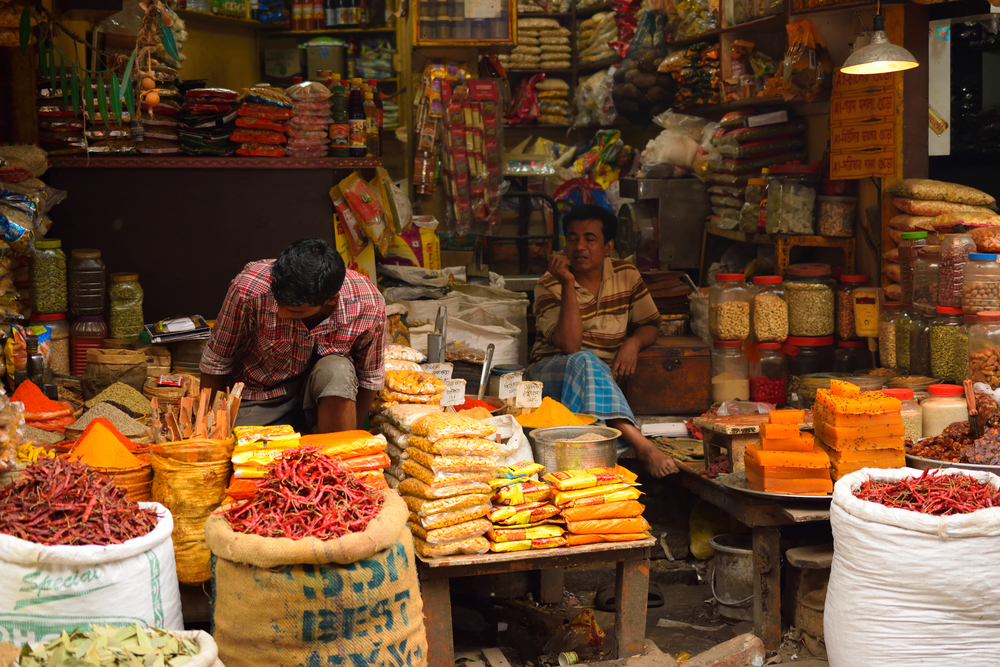
India’s e-commerce sector is undergoing a structural transformation, with smaller cities and towns emerging as the primary engines of growth. While the market still lags behind global leaders in penetration, it is expanding at a pace unmatched by any major economy, reshaping how and where online consumption takes place.
Between 2020 and 2025, India’s e-commerce market grew at a compound annual rate of approximately 23%, making it the fastest-growing digital retail market globally. Despite this rapid expansion, only about 30% of India’s population shopped online in 2025, a stark contrast to penetration rates of 92% in China and 74% in the United States. E-commerce currently contributes just 1.6% to India’s GDP, leaving substantial headroom for future growth when compared to China’s 13% to 14% and Southeast Asia’s 4% to 5% range.
What is driving this next phase of expansion is not the major metropolitan hubs, but India’s vast network of smaller cities and towns. These regions now account for over 60% of the country’s online shoppers and generate a similar share of total e-commerce orders. This marks a decisive shift in the industry’s center of gravity, as growth moves beyond traditional urban strongholds into previously underserved markets.
The scale of opportunity has prompted aggressive investment from major players. Amazon’s commitment of $35 billion toward expanding its India operations reflects a long-term bet on this untapped demand. The investment is aimed at strengthening logistics infrastructure, digitizing more than 12 million small businesses, and enhancing last-mile delivery capabilities across the country.
At the same time, Walmart-owned Flipkart continues to dominate the competitive landscape, holding an estimated 48% market share, compared to Amazon’s 30% to 35%. Flipkart’s ecosystem, which includes platforms like Myntra and Shopsy, has allowed it to penetrate diverse consumer segments, particularly in non-metro regions where price sensitivity and product variety are key factors.
The rise in smaller-city consumption is closely tied to improvements in digital infrastructure. Over the past decade, widespread access to affordable smartphones, the rollout of low-cost high-speed internet, and the rapid adoption of digital payment systems such as UPI have significantly lowered the barriers to online shopping. Improved road networks and logistics systems have further enabled companies to deliver efficiently to previously hard-to-reach areas.
Consumer behavior in these regions is evolving just as quickly. Shoppers in smaller cities are increasingly influenced by the same digital content as urban consumers, from social media trends to global lifestyle branding. This exposure is driving demand for a broader range of products, including premium fashion, fitness supplements, beauty products, and electronics.
The growth is also being fueled by the emergence of quick commerce, a delivery model that promises fulfillment in under 20 minutes. Originally popular in large cities for everyday essentials, quick commerce is now gaining traction in smaller towns, where it often serves as a gateway to premium products. Companies like Swiggy and newer entrants have accelerated adoption, while major platforms are rapidly scaling their own offerings to stay competitive.
Flipkart has already expanded its ultra-fast delivery services to more than 30 cities, while Amazon is aggressively pushing its “Amazon Now” service. Early data suggests strong traction, with order volumes growing at around 25% month-over-month and user engagement rising significantly, particularly among subscription-based customers.
Looking ahead, the growth trajectory remains strong. Industry estimates suggest that India’s e-commerce market could reach $250 billion by 2030, more than doubling from current levels. The number of online shoppers is expected to cross 500 million, with the majority of new users coming from smaller cities. Average monthly spending per user is also projected to rise from $25 in 2025 to around $45 by the end of the decade.
However, challenges remain. Logistics complexity, return rates, and maintaining service quality across geographically dispersed regions continue to test operational efficiency. Additionally, competition is intensifying, with both domestic and global players investing heavily to capture market share.
Even so, the broader direction is clear. India’s e-commerce story is no longer defined by its largest cities. The real momentum lies in smaller towns, where rising aspirations, improving infrastructure, and digital accessibility are converging to create one of the most dynamic retail transformations in the world.
.webp)
Popular articles



Subscribe to unlock premium content
Estée Lauder – The Woman Who Revolutionized Cosmetics Marketing with Free Samples

Vending Machines in Japan
Polaroid The Instagram of the 70s

Estée Lauder – The Woman Who Revolutionized Cosmetics Marketing with Free Samples
Vending Machines in Japan
Estée Lauder – The Woman Who Revolutionized Cosmetics Marketing with Free Samples