Guzman y Gomez Stock Jumps as Fast Food Chain Pulls Out of U.S. to Double Down on Core Markets

Guzman y Gomez Stock Jumps as Fast Food Chain Pulls Out of U.S. to Double Down on Core Markets
By
Leah Rosenfeld
Last updated:
May 22, 2026
First Published:
May 22, 2026

Getty Images
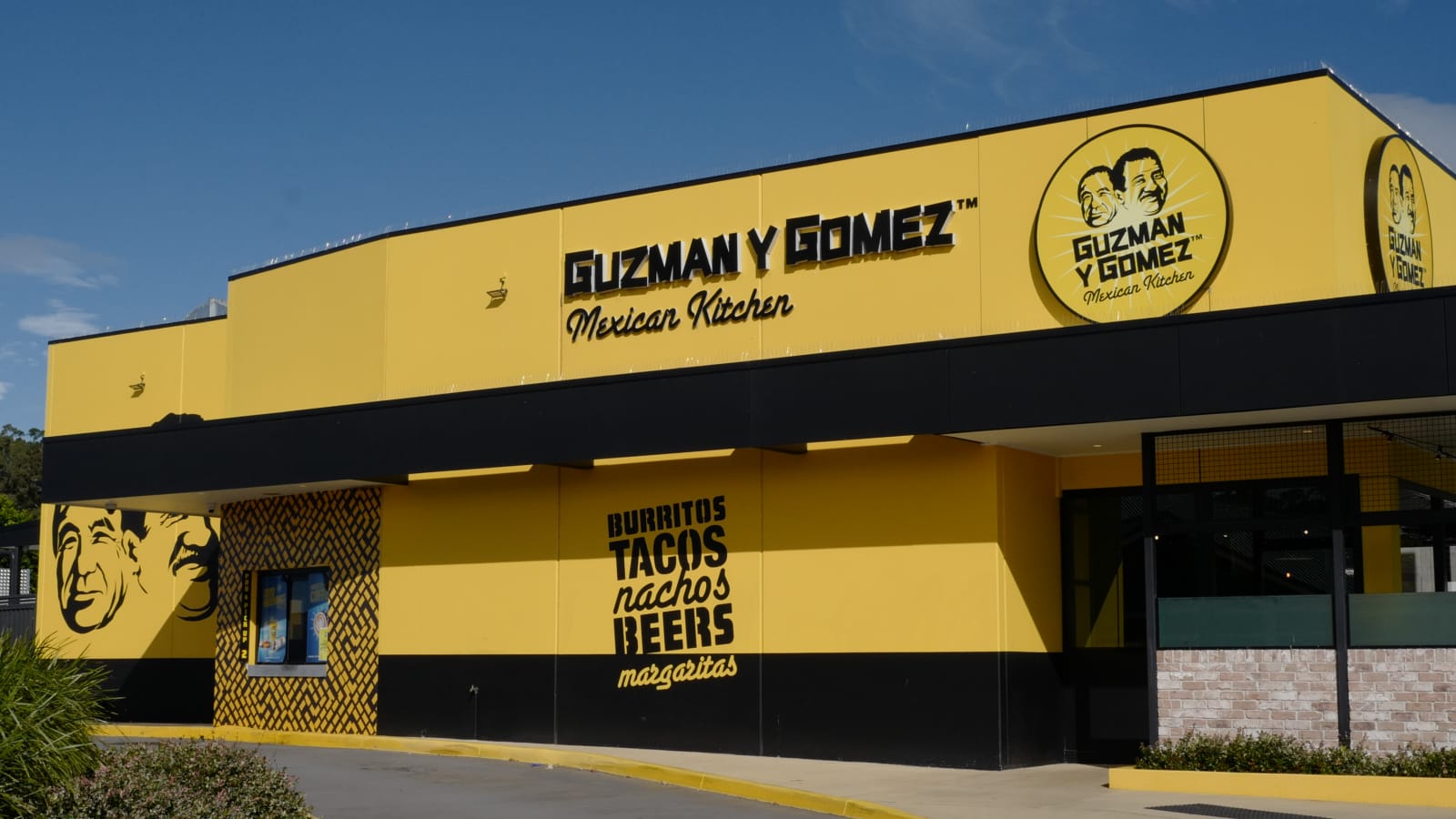
Shares of Guzman y Gomez climbed sharply after the Mexican-inspired fast-food company announced plans to shut down its U.S. operations and refocus resources on markets where it sees stronger long-term growth potential. Investors responded positively to the strategic move, sending the stock up more than 20% at one stage during trading.
The market reaction suggests shareholders viewed the decision as a disciplined step toward improving efficiency and strengthening the company’s long-term expansion strategy rather than a sign of weakness.
The move marks a significant shift for Guzman y Gomez, which entered the U.S. market only a few years ago with ambitions of establishing a stronger international presence.
Investors Reward a Strategic Retreat
Guzman y Gomez shares surged as much as 20.58% during Friday trading, before easing slightly and trading approximately 14% higher at around 20.56 Australian dollars.
Strong gains in the stock reflected investor confidence that management is prioritizing profitability and capital efficiency over costly expansion efforts.
Instead of continuing to invest in a challenging market environment, the company has chosen to focus on regions where it already has stronger brand recognition and operational momentum.
The positive reaction highlights an increasingly common trend in the restaurant industry where investors often favor sustainable growth over aggressive international expansion.
Why Guzman y Gomez Is Leaving the U.S.
Founder and co-CEO Steven Marks explained that after spending roughly three months evaluating operations in the United States, management concluded that expanding further would require substantially more time and financial investment than initially expected.
According to Marks, the current performance of the business did not justify continued deployment of shareholder capital.
The company stated that it will immediately cease operations at its restaurants in Chicago, ending its U.S. presence for now.
Management emphasized that while the exit represents a major strategic decision, it does not change the company's confidence in the broader international appeal of the Guzman y Gomez brand.
Instead, leadership framed the move as a decision to pursue growth in a more controlled and measured way.
The company also said it plans to support affected employees throughout the transition process.
Challenges in the Competitive U.S. Fast Food Market
Breaking into the U.S. restaurant industry has historically been difficult even for successful international brands.
The fast-casual food segment in particular has become intensely competitive, with strong customer loyalty and well-established players already dominating market share.
Analysts noted several issues that may have limited Guzman y Gomez's long-term opportunities in the U.S., including:
• Intense competition within the Mexican-inspired fast food category
• Difficult operating conditions in Chicago
• High labor and operating costs
• Limited brand differentiation
• Significant marketing expenses required to scale nationally
Analysts from Citi indicated they had previously questioned the company’s ability to gain meaningful traction in the American market.
One concern involved comparisons with larger rivals already operating in the segment.
Many analysts believed consumers may struggle to see substantial differences between Guzman y Gomez and existing established brands.
Australia Remains the Company’s Largest Growth Opportunity
While the U.S. experiment may be ending, Guzman y Gomez still sees considerable growth potential in its home market.
The company currently operates approximately 237 restaurants across Australia, making it by far its largest business region.
Management has outlined a long-term goal of reaching 1,000 Australian locations, representing a substantial expansion opportunity.
If achieved, that would mean adding more than 760 additional restaurants over time.
Analysts believe the domestic market still offers room for expansion through:
• New store openings
• Drive-thru growth
• Digital ordering platforms
• stronger brand penetration in underserved regions
• operational efficiency improvements
The company's strategy increasingly appears focused on maximizing existing strengths rather than entering unfamiliar markets prematurely.
International Expansion Plans Continue
Despite exiting the U.S., Guzman y Gomez is not stepping away from global ambitions altogether.
Beyond Australia, the company currently maintains operations in several international markets, including:
• Singapore
• Japan
Management stated that it still plans to open more than 40 restaurants globally each year, showing that international growth remains part of its broader strategy.
However, future expansion is expected to follow a more cautious model focused on disciplined capital allocation and markets with clearer opportunities.
What the Decision Means for Investors
The sharp increase in Guzman y Gomez shares illustrates how investors sometimes reward companies for stepping away from unprofitable ventures.
While exiting a market can appear negative on the surface, many shareholders see disciplined decision-making as a positive sign of management quality.
Rather than pursuing growth at any cost, the company appears focused on directing resources where returns are more predictable and sustainable.
For Guzman y Gomez, the latest move may represent less of a retreat and more of a reset — one aimed at strengthening its foundation before pursuing future international opportunities.
.webp)
Popular articles



Subscribe to unlock premium content
Urban Sanctuaries in the Sky

Frozen Luxury Comes to Life

The Glow of Luxury Bioluminescence

Urban Sanctuaries in the Sky
Frozen Luxury Comes to Life
Urban Sanctuaries in the Sky