Global Financial Stability at Risk as Trump Challenges Federal Reserve Independence

Global Financial Stability at Risk as Trump Challenges Federal Reserve Independence
By
Augusta Parker
Last updated:
January 15, 2026
First Published:
January 15, 2026

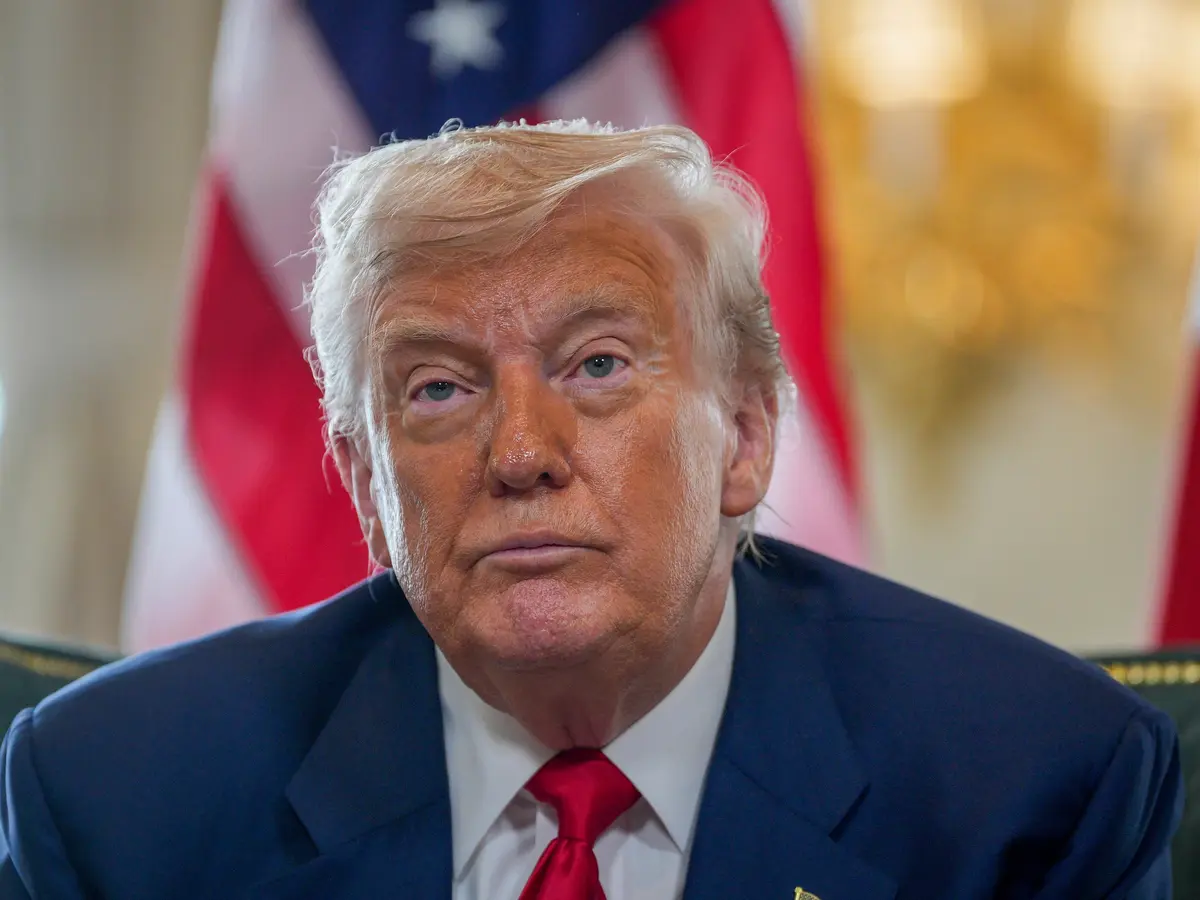
Photo: Al Arabiya
Former European Central Bank governor Jean-Claude Trichet has warned that President Donald Trump’s attacks on the Federal Reserve could have “grave” consequences for the global financial system. Trichet told CNBC that attempts to undermine Fed independence threaten nearly 50 years of central banking consensus that has anchored economic and price stability in developed markets.
Political Pressure on the Fed
The controversy escalated after Fed Chair Jerome Powell revealed a Department of Justice criminal probe into a $2.5 billion renovation of the central bank’s headquarters. Powell described the investigation as politically motivated, aimed at pressuring the Fed to cut interest rates faster and deeper than planned. European central bank leaders, including Bank of England Governor Andrew Bailey and ECB President Christine Lagarde, have publicly defended Powell, emphasizing the critical role of central bank autonomy.
Trichet compared the situation to emerging markets with weak institutions, warning that a Fed “obedient” to the executive branch would be highly destabilizing. “A Federal Reserve that is the most obedient servant of the executive branch is not what is expected in the U.S. Constitution. The Fed depends on Congress, not on the executive branch,” Trichet said. Bank of Finland Governor Olli Rehn added that undermining the Fed’s credibility could fuel global inflation and create structural risks for the world economy.
Rising Global Vulnerabilities
Trichet highlighted the U.S.’s growing debt-to-GDP ratio and bipartisan pressure to increase spending as key vulnerabilities. “The market is way too calm given the risks that exist out there,” he said, noting that global debt—public and private—is now higher than before the 2008 Lehman Brothers collapse. He warned that political subordination of the Fed could threaten both U.S. and global economic stability, creating systemic risks across financial markets.
Citi analysts echoed the concern, cautioning that populist pressures on central banks could spread beyond the U.S. as shorter maturities dominate European government bonds and debt servicing becomes increasingly sensitive to policy-rate decisions. They emphasized that while ECB and Bank of England independence is intact, future political pressures could challenge it.
Implications for Markets and Inflation
The potential destabilization of the Fed could ripple across global markets, affecting interest rates, inflation expectations, and investor confidence. Trichet stressed that central bank credibility is a cornerstone of economic stability, and political interference risks creating both immediate and long-term shocks. With U.S. monetary policy influencing financial systems worldwide, any erosion of Fed independence could elevate global borrowing costs, weaken investor confidence, and heighten volatility in equity and bond markets.
European and U.S. economists alike are monitoring developments closely, as central bank autonomy remains a critical factor in sustaining growth and maintaining price stability in a fragile global economy. The coming weeks will likely determine whether political pressures escalate or whether the Fed can maintain its independence in the face of mounting executive scrutiny.
.webp)
Popular articles



Subscribe to unlock premium content
Colombia’s Coffee Regions Are Becoming Luxury Travel Destinations Hidden in the Highlands

Chile’s Desert Skies Are Becoming the World’s Most Exclusive Destination

The Rise of Heritage Manor Stays in the United Kingdom Countryside

Colombia’s Coffee Regions Are Becoming Luxury Travel Destinations Hidden in the Highlands
Chile’s Desert Skies Are Becoming the World’s Most Exclusive Destination
Colombia’s Coffee Regions Are Becoming Luxury Travel Destinations Hidden in the Highlands