From Childhood Collectibles to Million Dollar Assets: How Pokémon Cards Sparked a Global Investment Frenzy

From Childhood Collectibles to Million Dollar Assets: How Pokémon Cards Sparked a Global Investment Frenzy
By
Augusta Parker
Last updated:
May 22, 2026
First Published:
May 22, 2026

Getty Images
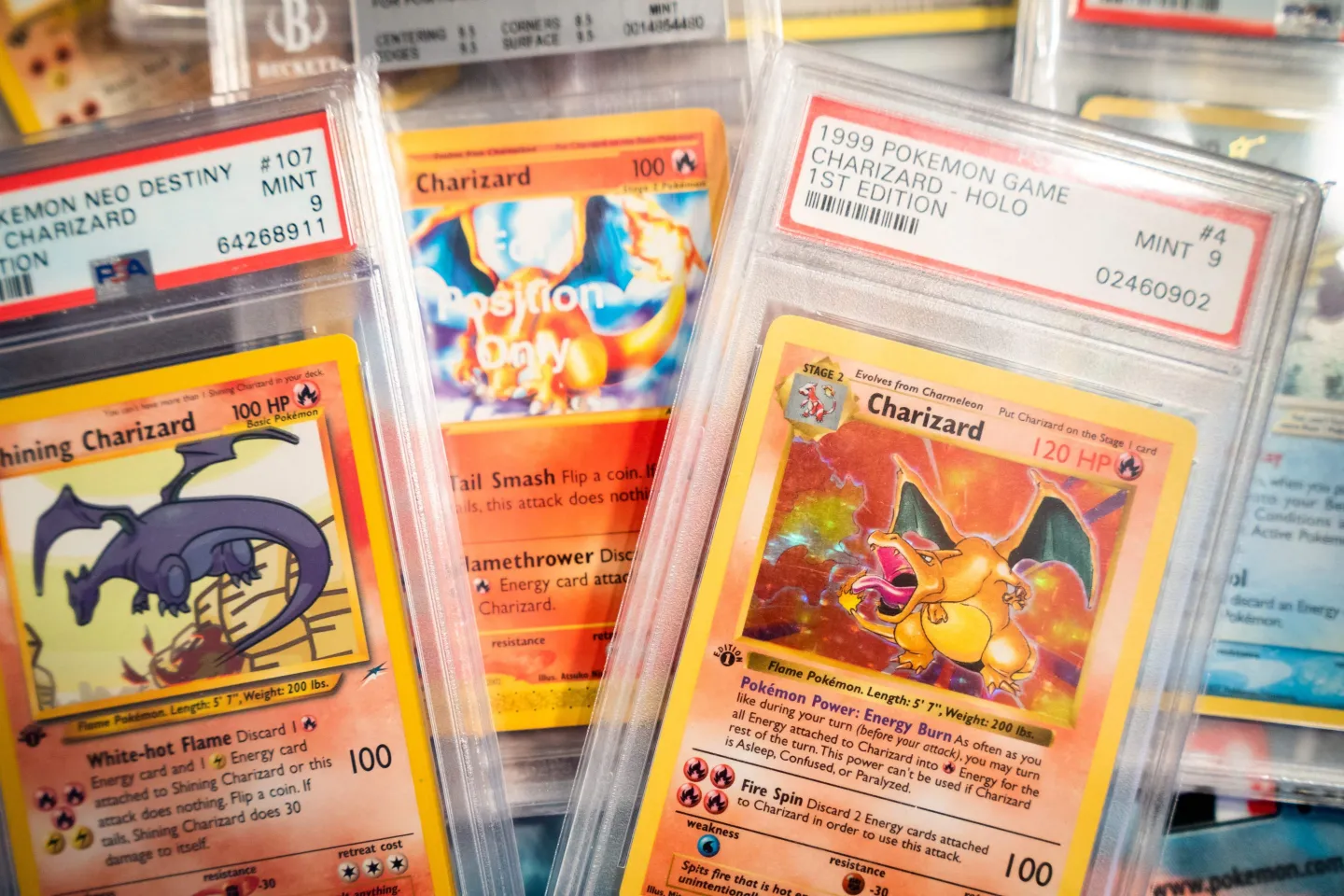
What started as a childhood hobby centered around trading colorful cards on school playgrounds has evolved into a global market worth billions. Today, Pokémon cards are no longer viewed solely as collectibles. For many buyers, they have become alternative assets, speculative investments, and in some cases, luxury status symbols.
Across the United Kingdom, the United States, and many other regions, a massive Pokémon card resurgence is triggering long lines outside stores, instant sellouts, and an aggressive resale market. Some collectors still chase cards for nostalgia and personal enjoyment, but a growing wave of buyers now sees Pokémon cards through the same lens used for stocks, cryptocurrencies, and rare investments.
The result is a market that blends passion with profit, creating one of the most unusual collecting booms in recent years.
Pokémon Cards Return to the Mainstream
For many millennials, Pokémon cards were a defining part of childhood during the late 1990s and early 2000s. Children bought booster packs hoping to uncover holographic cards and rare characters while trading duplicates with friends in an attempt to complete collections.
The franchise itself exploded in popularity after the launch of Pokémon in 1996 on Nintendo's Game Boy system. Trading cards quickly followed and became a cultural phenomenon.
Although the craze cooled in the early 2000s, Pokémon never disappeared entirely. A series of major events eventually reignited global demand.
The release of Pokémon Go in 2016 introduced the franchise to a new generation while bringing back millions of older fans who had grown up with it. Nintendo's Switch console launch in 2017, combined with new Pokémon titles, further accelerated interest.
More recently, card releases featuring original characters from the late 1990s have tapped directly into nostalgia, pulling older fans back into collecting.
Many industry observers now describe the current period as a Pokémon revival unlike anything seen before.
The Numbers Behind Pokémon’s Explosive Growth
The financial growth surrounding Pokémon cards has been extraordinary.
According to market data from collectible industry tracking firms, prices increased approximately 282% between 2004 and 2020. However, the biggest acceleration occurred after 2020.
Since then, prices have reportedly surged by roughly 1,350%, dramatically outperforming many traditional investment categories during the same period.
Several factors contributed to the rapid rise:
• Increased social media attention
• Limited supply of certain products
• Celebrity involvement
• Growing interest from investors
• Post pandemic collecting trends
• Rising demand for graded cards
• Speculative buying activity
The market expanded beyond hobby shops and collector circles into mainstream financial discussions.
Today, rare Pokémon cards can sell for six and even seven figure sums.
How Rare Cards Became Million Dollar Assets
One of the biggest drivers behind the market boom has been high profile card sales.
Few examples generated more attention than influencer and internet personality Logan Paul, who made headlines after selling a rare Pikachu Illustrator card for over $16 million after purchasing it for slightly above $5 million in 2021.
That sale represented one of the largest Pokémon card transactions ever recorded and drew global attention to the market.
Beyond headline grabbing examples, numerous vintage cards regularly sell for hundreds of thousands of dollars.
Such sales have created a psychological effect across the broader market. Even newer collectors and casual buyers begin wondering whether today's ordinary products could eventually become tomorrow's prized collectibles.
This perception encourages additional demand and fuels speculative behavior.
The Influence of Crypto Wealth on Pokémon Demand
Another major trend reshaping the market is the arrival of cryptocurrency investors.
As many digital asset holders generated substantial gains during previous crypto cycles, some began moving portions of their profits into alternative collectibles.
Within Pokémon communities, cards are increasingly discussed using financial language normally associated with investing:
• Market corrections
• Price floors
• Bull runs
• Portfolio diversification
• Long term appreciation
Social platforms such as X and Discord have become active hubs where buyers analyze card prices, predict future values, and debate investment opportunities.
Some investors see collectibles as assets that can potentially preserve wealth while offering exposure outside traditional financial markets.
Scalpers Create Shortages and Fuel Frustration
One of the most controversial elements of the current Pokémon market involves resellers commonly referred to by collectors as "scalpers."
These buyers often purchase large quantities of newly released products immediately after launch with the intention of reselling them at significantly higher prices.
In some cases:
• Retail products sell out within minutes
• Online stores experience crashes
• Automated purchasing software buys stock instantly
• Resale prices jump multiple times above retail value
A product selling officially for around £55 may appear on secondary marketplaces for £100 to £300 or more almost immediately after release.
Highly sought after sets can command even steeper premiums.
Popular products have appeared on resale platforms for prices exceeding £450, despite much lower original retail pricing.
This behavior creates artificial scarcity and increases urgency among consumers.
Many buyers fear missing out, leading them to pay elevated prices before products become even more expensive.
A Market Showing Signs of Speculation
Rapid price increases often raise questions about sustainability.
Some market analysts suggest parts of the Pokémon market show characteristics associated with speculative bubbles.
Prices rising quickly can attract buyers motivated primarily by short term profits rather than long term interest in the hobby itself.
When more participants enter expecting fast returns, markets can become increasingly volatile.
Still, unlike many purely speculative assets, Pokémon cards maintain a dedicated collector community that provides underlying demand.
Collectors Continue to Drive the Hobby
Despite headlines focused on million dollar cards and investors, many buyers remain motivated by the original purpose of collecting.
Card shows continue expanding across multiple regions, local communities remain active, and collectors still search for favorite characters or complete entire sets.
Some individuals purchasing uncommon and older cards may simply want to reconnect with childhood memories rather than chase financial gains.
That emotional connection remains one of Pokémon's greatest strengths.
Unlike traditional investments, Pokémon cards often carry personal stories attached to them.
For some people they represent potential profit.
For others they represent nostalgia.
And increasingly, they represent both.
What Happens Next for Pokémon Cards?
The Pokémon market now sits at a unique intersection where entertainment, collecting culture, and investing overlap.
As long as limited releases, celebrity attention, social media discussion, and nostalgia continue to fuel demand, the market is likely to remain active.
However, the biggest challenge may be balancing the interests of genuine collectors with investors and resellers seeking financial opportunity.
Because for many longtime fans, Pokémon was originally about opening packs with friends and hoping to find a favorite card.
Today, those same cards can be treated like assets worth thousands or even millions of dollars.
.webp)
Popular articles



Subscribe to unlock premium content
Urban Sanctuaries in the Sky

Frozen Luxury Comes to Life

The Glow of Luxury Bioluminescence
Urban Sanctuaries in the Sky
Frozen Luxury Comes to Life
Urban Sanctuaries in the Sky